


Listen to the article
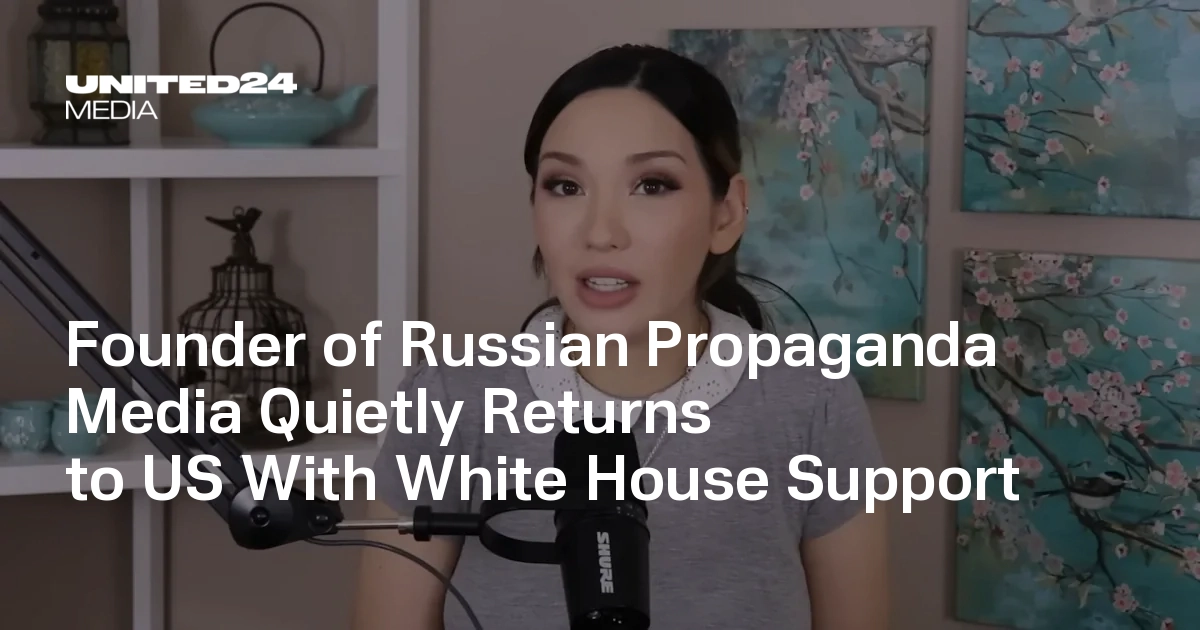
The Trump administration has quietly facilitated the return of Lauren Chen, founder of Russia-linked propaganda outlet Tenet Media, to the United States despite an ongoing federal investigation into the operation, according to a report by The Bulwark on December 30.
Chen, a Canadian national and prominent figure in right-wing online media, had previously left the US after federal investigators exposed Tenet Media as an outlet allegedly funded through covert financial channels connected to Russia’s state propaganda apparatus. The FBI had characterized Tenet as part of an influence operation tied to RT, Moscow’s international propaganda network.
According to The Bulwark’s investigation, Chen abruptly lost her US work visa in mid-2024 following the unsealing of indictments in New York. These indictments accused Russian nationals of laundering millions of dollars to fund Tenet’s operations through elaborate schemes involving shell entities, false personas, and undisclosed foreign funding designed to influence American political discourse.
While Chen herself was not directly charged with any crimes, court filings described her and her husband as key intermediaries in routing foreign money into US political media while circumventing federal disclosure requirements. Following these revelations, Chen left the country, disappeared from public view, and publicly complained that her visa had been effectively “destroyed.”
In a surprising development, Chen recently announced on social media that she had returned to the United States, specifically thanking senior officials across multiple federal agencies for facilitating her reentry. The Bulwark reports that her return was explicitly supported by a senior State Department adviser with close ties to the Trump administration, who later confirmed his involvement publicly.
This intervention raises significant questions given that the underlying federal investigation remains open. The Justice Department’s case targeted the Russian financiers behind Tenet Media rather than Chen herself, but the alleged scheme they detailed was sophisticated and far-reaching, intended to covertly shape American political narratives without proper foreign agent disclosures.
Despite the seriousness of these allegations, the investigation has shown little visible progress over the past year. The Russian nationals named in the indictment remain outside US jurisdiction, and no new charges have been announced since the initial revelations.
When contacted by The Bulwark, neither the FBI, State Department, Customs and Border Protection, nor the White House responded to requests for comment regarding Chen’s changed immigration status. Chen and her husband similarly declined to answer questions about how her visa situation was resolved.
The case highlights the complex intersection of foreign influence operations, immigration policy, and political media in the United States. Tenet Media had positioned itself as a significant platform in conservative media circles, providing opportunities for numerous high-profile right-wing commentators.
What makes this situation particularly noteworthy is the contrast between Chen’s experience and that of her collaborators. While she initially faced immediate personal and professional consequences from the investigation, many of the commentators who benefited from Tenet’s allegedly Russia-linked funding have suffered few professional repercussions. According to The Bulwark, several have even expanded their audiences since the scandal broke.
The case parallels broader concerns about foreign influence in American media and political discourse. Earlier reports had suggested that Russian and Chinese intelligence services were allegedly deploying operatives to extract sensitive technology information from specialists in the United States, representing just one facet of ongoing foreign influence efforts.
The quiet reinstatement of Chen’s ability to enter and work in the United States, despite her documented connections to an alleged Russian influence operation, raises significant questions about consistency in the application of immigration and national security policies, particularly as the new administration takes shape.
As the Justice Department’s investigation continues, the case remains a critical test of how the United States balances concerns about foreign influence operations against political considerations in a highly polarized media environment.
Fact Checker
Verify the accuracy of this article using The Disinformation Commission analysis and real-time sources.

10 Comments
This seems like a troubling development that deserves close scrutiny. We need robust safeguards against foreign interference in our media and political processes. I hope investigative journalists will continue digging into the details of this case.
Agreed, transparency and accountability are critical. The public has a right to know the full context around this decision.
This is concerning news. If true, it seems the White House is enabling the return of a propaganda outlet connected to Russia’s disinformation efforts. The American public deserves transparency and protection from foreign influence campaigns.
Agreed, we should be wary of any attempts to circumvent investigations and oversight. The integrity of our political discourse is at stake.
If the reports are accurate, this appears to be a troubling example of the administration undermining efforts to counter Russian disinformation. Allowing individuals linked to foreign propaganda networks to operate freely in the US is highly concerning.
While I understand the complexities involved, allowing the return of someone connected to a Russian propaganda outlet sets a dangerous precedent. We must remain vigilant against foreign influence campaigns that seek to sow division and undermine democratic institutions.
This news raises serious questions about the administration’s commitment to safeguarding our democracy from foreign interference. Allowing individuals with ties to Russian propaganda to freely operate in the US is deeply troubling and warrants a thorough investigation.
I’m curious to learn more about the specifics of this case and the rationale behind the White House’s decision. What national security or other considerations could justify allowing the return of this individual?
That’s a fair question. Restoring someone with ties to a foreign propaganda network raises serious red flags that warrant a thorough public explanation from the administration.
I’m disappointed to see the White House potentially enabling the return of a figure linked to Russian disinformation efforts. Protecting the integrity of our media and political discourse should be a top priority, regardless of partisan affiliation.