


Listen to the article
Russian propaganda operatives are exploiting a pro-Russian Italian news outlet to spread false claims about Ukrainian air defense specialists in the Middle East, according to recent investigations by fact-checking organizations.
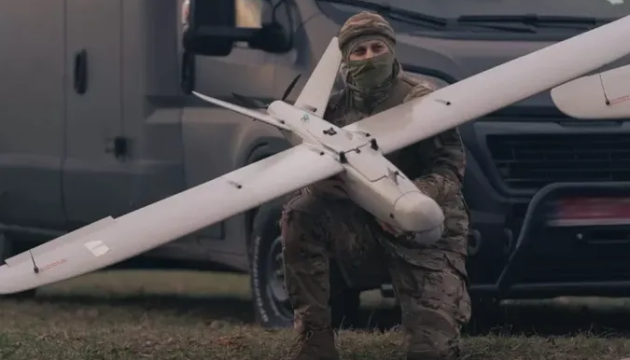
In recent days, Russian state media, Telegram channels, and social media accounts across Facebook, Instagram, and X have been circulating allegations that Ukrainian drone specialists were recalled from the United Arab Emirates and Saudi Arabia due to poor performance. These reports claim the specialists failed to protect infrastructure during Iranian strikes, including alleged damage to skyscrapers.
The central source for these claims is an article published by the Italian outlet L’AntiDiplomatico, which has been identified by multiple organizations as a vehicle for pro-Russian narratives and disinformation.
An analysis of the L’AntiDiplomatico article reveals significant credibility issues. The piece contains no verified sources, provides no evidence supporting claims about Ukrainian specialists being withdrawn, and offers no independent confirmation that Gulf governments expressed dissatisfaction with Ukrainian military advisors.
The article also recycled previously debunked claims, including allegations that Baltic countries’ airspace was used for attacks on Russian energy facilities—accusations that the foreign ministries of Lithuania, Latvia, and Estonia have officially denied.
Ukraine’s Center for Countering Disinformation has refuted another key claim in the article, stating that countries in the Middle East do not have Ukrainian air defense missile systems in service, making it impossible for Ukrainian equipment to have “hit skyscrapers” as alleged. The Center clarified that Ukrainian military specialists in the region serve in advisory roles only and do not have specific facilities assigned to their protection.
The L’AntiDiplomatico piece relies heavily on Russian sources, including state propaganda outlets like RIA Novosti and Komsomolskaya Pravda, raising further questions about its credibility.
According to research by Romanian fact-checking organization Veridica, one of the article’s contributors, Fabrizio Poggi, has a history of publishing disinformation and conspiracy theories about Ukraine. Among his past claims was the debunked assertion that Ukraine orchestrated the downing of flight MH17 in 2014, which killed 298 people.
Media analysts note this approach represents a classic disinformation tactic: using seemingly independent Western journalists or outlets to legitimize Russian propaganda narratives, creating the appearance of international consensus where none exists.
L’AntiDiplomatico’s history of alignment with Russian narratives extends back years. Italian newspaper La Stampa reported in 2016 that the website was established by individuals connected to the Five Star Movement, an Italian political party whose representatives have frequently advanced pro-Russian positions. These included characterizing Ukraine’s 2014 Revolution of Dignity as a “coup financed by Europe and the United States.”
The European Union’s EUvsDisinfo project, which tracks disinformation campaigns, identified L’AntiDiplomatico as a source of pro-Russian content as early as 2018. The outlet has also provided a platform for Russian officials, including Leonid Slutsky, head of the Russian State Duma Committee on International Affairs, and regularly republishes content from Russian state media outlets RT and Sputnik.
This disinformation push comes amid strengthening defense ties between Ukraine and Middle Eastern nations. President Volodymyr Zelensky recently confirmed that Ukraine has shared expertise with Middle Eastern partners on countering Shahed-type drones, which have been deployed extensively in Russia’s war against Ukraine.
Last month, Zelensky announced the signing of a 10-year military cooperation agreement with Qatar and a separate defense cooperation document with Saudi Arabia. Officials from Oman, Bahrain, and Kuwait have also expressed interest in similar partnerships.
The false narratives appear aimed at undermining Ukraine’s growing defense relationships in a strategically important region, while simultaneously attempting to portray Ukraine’s military capabilities as ineffective to international audiences.
This is not the first time Russian sources have targeted Ukraine with disinformation campaigns. Earlier efforts included fabricated claims that Ukraine was preparing benefits for migrants to “replace” its population—another narrative that fact-checkers have thoroughly debunked.
Fact Checker
Verify the accuracy of this article using The Disinformation Commission analysis and real-time sources.

9 Comments
Allegations of poor performance by Ukrainian drone specialists seem dubious, especially without any verifiable evidence. I wonder what Russia’s endgame is in spreading these types of narratives. Transparency and accountability are key.
While I’m not surprised by Russia’s propaganda efforts, it’s still disheartening to see. Credible reporting and rigorous analysis are essential to cutting through the fog of disinformation. I hope the truth prevails in this case.
It’s concerning to see Russian state media and their proxies attempting to undermine Ukraine’s military capabilities through unsubstantiated claims. Fact-checking is crucial to counter this kind of coordinated disinformation.
This is worrying, but not surprising given Russia’s history of weaponizing information. Fact-checkers play a vital role in exposing these propaganda tactics and protecting the truth. Curious to see how this story develops.
I’ll have to look into this L’AntiDiplomatico outlet more. Claiming no verified sources yet publishing such sensational allegations raises major red flags. Ukraine’s drone specialists deserve a fair assessment, not Russian smear campaigns.
Recycling unsubstantiated claims and passing them off as fact is a classic disinformation tactic. I appreciate the efforts to shine a light on the credibility issues with this article. Maintaining a critical eye is so important.
Interesting how Russian propaganda is trying to undermine Ukraine’s credibility. I wonder what their real motivations are behind these claims. Fact-checking is so important to cut through the disinformation.
This seems like a blatant attempt by Russia to discredit Ukraine’s military capabilities. It’s concerning to see how they’re exploiting media outlets to spread these unfounded allegations.
Agreed, it’s critical we remain vigilant against these kinds of coordinated propaganda efforts. Scrutinizing the sources and verifying claims is key to countering this disinformation.