


Listen to the article
Russian disinformation fabricates refinery fire in Slovakia to blame Ukraine amid real incidents
With Ukraine heavily reliant on Western support, Russian disinformation campaigns are strategically targeting the relationship between Kyiv and its allies. Following actual explosions at Russian-linked refineries in Romania and Hungary, false reports emerged on October 22 claiming a third blaze at a Druzhba pipeline-connected refinery in Slovakia – an incident that never occurred.
Pro-Kremlin propaganda outlets quickly seized on the narrative that “oil refineries across Europe are burning one after another,” explicitly blaming Ukraine for alleged arson or drone strikes. The fabricated story originated from an obscure website called CZNews Info, which published the claim without official confirmation or direct accusations against Ukraine.
Slovak oil company Slovnaft promptly denied any fire at their facility, suggesting that active field burners in the area might have caused confusion. Despite this official denial, the false narrative spread rapidly across social media platforms.
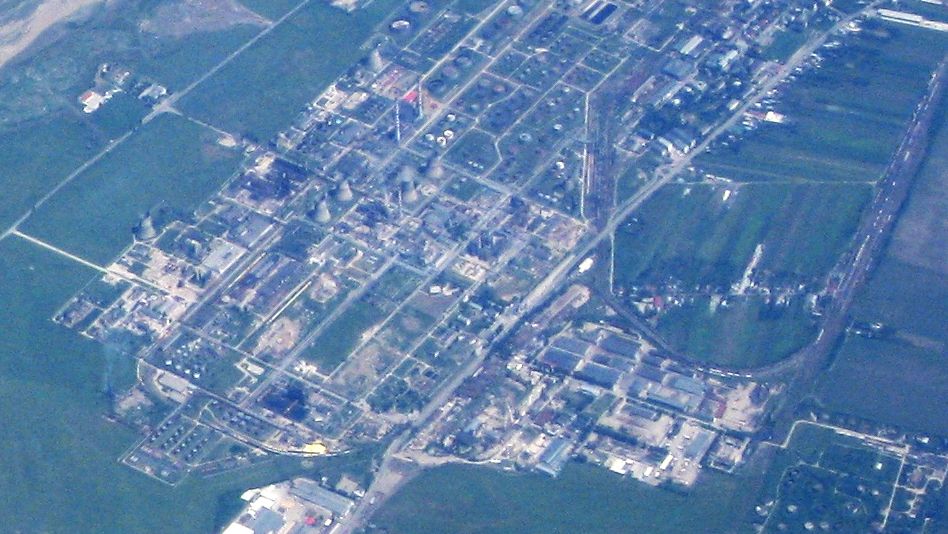
According to monitoring conducted by LetsData, the disinformation was widely disseminated by pro-Russian actors who framed it within a larger narrative accusing Ukraine of sabotage operations in Europe. These actors leveraged the actual explosions at Hungary’s Szazhalombatta plant and Romania’s Lukoil refinery in Ploiești to lend credibility to the fabricated Slovak incident.
The false story gained particular traction on Facebook among Czech-language accounts but also spread through Telegram and X (formerly Twitter) in multiple languages including English, Slovak, and Russian. Several high-profile accounts on X helped amplify the misinformation to English-speaking audiences. LetsData’s analysis confirmed that even some non-malicious actors inadvertently shared the fake news.
Russian sources strategically discussed both the real and fabricated refinery fires in the context of Ukrainian strikes against Russian facilities connected to the Druzhba pipeline. This focus is significant as Hungary and Slovakia remain the only EU countries still receiving oil through this Russian pipeline, which Ukraine has criticized for funding Moscow’s war efforts.
Some Russian propagandists connected the incidents to comments made by Polish Foreign Minister Radoslaw Sikorski during a public disagreement with his Hungarian counterpart. Sikorski had expressed hope that Ukrainian drone forces would disable the Druzhba pipeline, providing convenient material for Russian narratives.
In a separate angle, Kirill Dmitriev, Russia’s top envoy for U.S. relations, suggested the Hungarian refinery incident might be related to a now-canceled summit between U.S. President Donald Trump and Russian President Vladimir Putin that had been planned for Budapest. “Hungary under attack for working on a peace summit?” Dmitriev posted on X, implying sabotage aimed at disrupting diplomatic relations.
While the fire at Hungary’s Danube facility remains under investigation, its owner, Mol, has stated there is no evidence of deliberate action or foul play.
This disinformation campaign follows a pattern established before the Trump-Putin summit in Alaska in August 2025, when Russian propaganda networks accused Ukraine of planning “provocations” to disrupt those diplomatic talks. While Russia has sent its own drones and aircraft into NATO airspace, it continues to accuse Ukraine of plotting subversive activities across Europe.
Ukrainian officials have consistently rejected these accusations, warning that Russia’s primary objective is to create distrust between Ukraine and EU nations, ultimately weakening international support for Kyiv. Alina Alieksieieva, deputy head of Ukraine’s Center for Countering Disinformation, noted that Russia aims to “test NATO’s reaction, sow fear in European societies, and reduce support for Ukraine.”
Fact Checker
Verify the accuracy of this article using The Disinformation Commission analysis and real-time sources.

10 Comments
This is a concerning development, as Russian disinformation campaigns continue to sow confusion and mistrust. Fabricating attacks to blame Ukraine is a worrying tactic that undermines the truth and raises tensions unnecessarily.
It’s crucial that we rely on verified information from official sources and fact-checking outlets to separate truth from fiction. Disinformation should be called out and condemned whenever it surfaces.
This is a classic example of how Russia uses propaganda to sow discord and undermine its opponents. Fact-checking and verifying information from reliable sources is crucial to counter these tactics.
I hope the international community remains vigilant and continues to call out these fabrications. Maintaining the truth is essential, especially when it comes to sensitive energy and mining-related issues.
While the real incidents at the refineries are worrying, the fabricated story about Slovakia is a clear attempt to manipulate the narrative. We must be vigilant in identifying and debunking such propaganda efforts.
Maintaining transparency and relying on verified information from official sources is crucial in these situations. Disinformation can have serious implications, and we must work to counter it effectively.
The mining and energy sectors are critical infrastructure, and any disruptions or attacks can have significant consequences. Spreading disinformation about such incidents is a concerning tactic that must be addressed.
The mining and energy sectors are particularly vulnerable to these kinds of propaganda efforts. Maintaining transparency and integrity in reporting on incidents and attacks is essential to prevent the spread of falsehoods.
I hope the relevant authorities and media outlets are vigilant in identifying and debunking any further attempts to fabricate events or falsely implicate Ukraine. Accurate information is key in these volatile times.
While the actual incidents at the refineries in Romania and Hungary are concerning, the fabricated story about Slovakia is a clear attempt to distort the narrative. We must be wary of such blatant disinformation campaigns.