


Listen to the article
Russian Orthodox Delegation’s White House Visit Sparks Concern Over Moscow’s Influence
A delegation comprising lobbyists and clergy with close ties to the pro-war Russian Orthodox Church is meeting with U.S. officials and White House representatives this week, raising significant concerns about potential religious influence operations on American soil.
According to reporting by The Hill on November 18, the delegation includes representatives from several Orthodox church bodies with established Moscow connections: the Russian Orthodox Church Outside of Russia, the Orthodox Church in America, and the Serbian Orthodox Church. Their stated purpose involves raising allegations of religious persecution against Orthodox faithful in Ukraine.
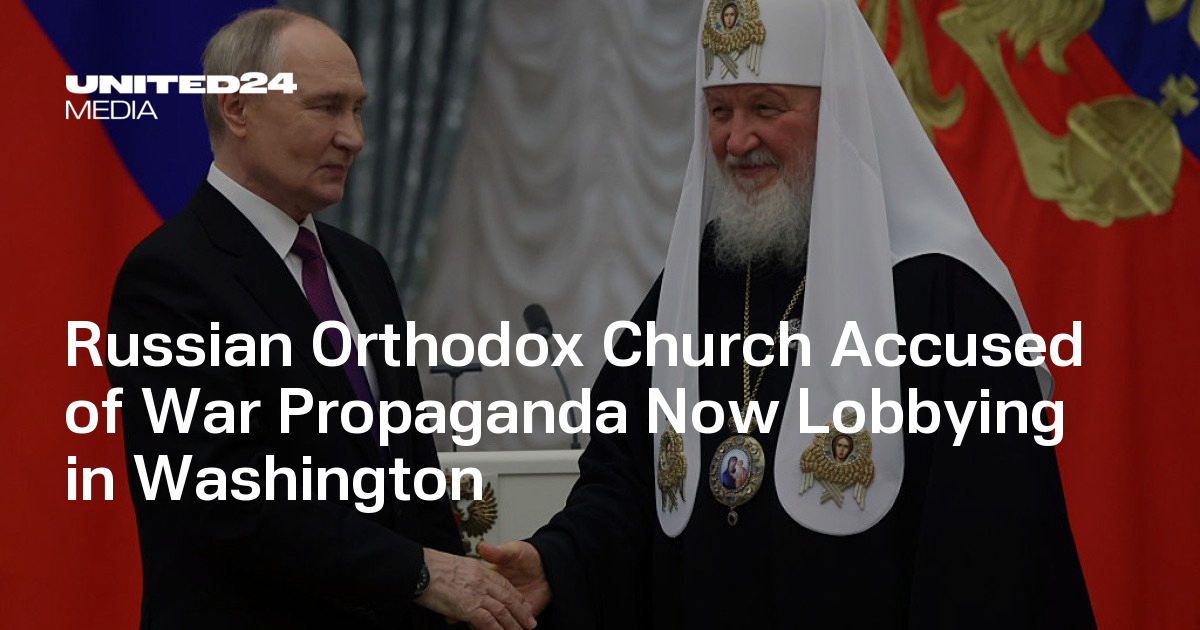
The timing of these meetings has drawn scrutiny from foreign policy experts and religious freedom advocates alike. The Russian Orthodox Church, under Patriarch Kirill’s leadership, has been widely documented as providing spiritual and ideological justification for Russia’s full-scale invasion of Ukraine. Kirill, a longtime ally of Russian President Vladimir Putin, has characterized the war as a “holy” endeavor, effectively blessing military action that has resulted in thousands of civilian casualties and widespread destruction across Ukrainian cities.
“What we’re witnessing is potentially a sophisticated influence operation using religious channels,” said one Washington-based foreign policy analyst who requested anonymity to speak candidly. “The Russian Orthodox Church has become deeply intertwined with the Kremlin’s geopolitical objectives.”
The meetings come amid growing concern in Washington about Russian soft power projection through religious institutions. Several House Republicans have called for investigations into potential Russian influence operations involving U.S.-based Orthodox churches, citing national security concerns. These lawmakers worry that religious networks could be leveraged to advance pro-Kremlin narratives within American political discourse.
Indeed, The Hill reports that the narrative of Ukrainian oppression against the Russian Orthodox Church has gained traction among certain segments of the American political right, particularly within the MAGA movement. This represents a potential success for Russian information operations targeting U.S. public opinion on Ukraine.
This isn’t the first instance of the Russian Orthodox Church being implicated in political influence campaigns. A recent Reuters investigation revealed that Russia financed pilgrimages for Moldovan Orthodox priests and provided them with cash-loaded debit cards in exchange for campaigning against Moldova’s integration with the European Union. Moldovan officials have characterized these efforts as weaponizing religion for political purposes.
The Russian Orthodox Church’s international influence extends beyond Europe and North America. Reports indicate the church has been expanding its presence in Africa, establishing parishes and religious missions in territories traditionally served by other Orthodox patriarchates. Analysts view this expansion as aligned with broader Russian geopolitical ambitions to increase influence in regions where Western presence has historically dominated.
Within Ukraine itself, the religious landscape has shifted dramatically since 2022. The Orthodox Church of Ukraine, which received recognition of its autocephaly (independence) from the Ecumenical Patriarchate of Constantinople in 2019, has seen growing membership as many Ukrainians reject Moscow-affiliated religious institutions. Meanwhile, the Ukrainian Orthodox Church, which maintained ties to the Moscow Patriarchate, has formally declared independence from Moscow, though many Ukrainian officials remain skeptical about the depth of this separation.
Religious scholars note that the current tensions represent the most significant divide in Orthodox Christianity in decades. “What we’re witnessing is not merely a religious dispute but a geopolitical contest playing out through ecclesiastical channels,” explained Dr. Catherine Wanner, professor of religious studies at Pennsylvania State University. “The Russian state has effectively mobilized the church as an instrument of soft power.”
As the delegation continues its meetings in Washington, observers will be watching closely to see how U.S. officials respond to their claims and whether this religious diplomacy might influence American policy toward Ukraine at a critical juncture in the ongoing conflict.
Fact Checker
Verify the accuracy of this article using The Disinformation Commission analysis and real-time sources.

8 Comments
The Russian Orthodox Church’s complicity in providing ideological cover for Putin’s war is deeply troubling. Any efforts to leverage religious institutions to advance the Kremlin’s interests in the US should be met with a firm and principled response from policymakers.
I’m curious to know more about the specific allegations of religious persecution against Orthodox faithful in Ukraine that the delegation plans to raise. Are there credible reports to substantiate these claims, or is this another attempt to distort the reality on the ground?
This is certainly concerning. The Russian Orthodox Church’s ties to the Kremlin and its support for the invasion of Ukraine are well-documented. Any efforts to influence US policy through lobbying raise red flags and warrant close scrutiny.
It’s critical that US officials approach these meetings with the Russian Orthodox delegation with a healthy dose of skepticism. The church’s record of supporting the invasion of Ukraine and its close ties to the Kremlin should raise alarm bells about the true nature of their agenda in Washington.
The involvement of the Serbian Orthodox Church in this delegation is an interesting wrinkle. Serbia has maintained a delicate balancing act between the West and Russia, and this could be an attempt to leverage religious ties to bolster Moscow’s influence in the region.
This is a concerning development. The Russian Orthodox Church’s longstanding alliance with the Putin regime raises serious questions about the motives behind this lobbying effort. Transparency and scrutiny will be key to ensuring US policy remains grounded in facts, not religious propaganda.
Interesting that the delegation includes representatives from several Orthodox bodies, not just the Russian Orthodox Church itself. Suggests a broader effort to amplify Moscow’s narratives and interests in the US. We should be vigilant about potential religious influence operations.
Agreed. The involvement of the Serbian Orthodox Church in particular is worth watching closely, given Serbia’s own close ties to Russia.