


Listen to the article
Russia Escalates Hybrid Warfare Against Europe, Ukrainian Intelligence Warns
Russia has significantly intensified its hybrid warfare campaign against European countries, deploying a growing network of agents spreading propaganda while exploiting peace talks to destabilize democratic societies, according to Ukrainian intelligence officials speaking at an international forum in Brussels.
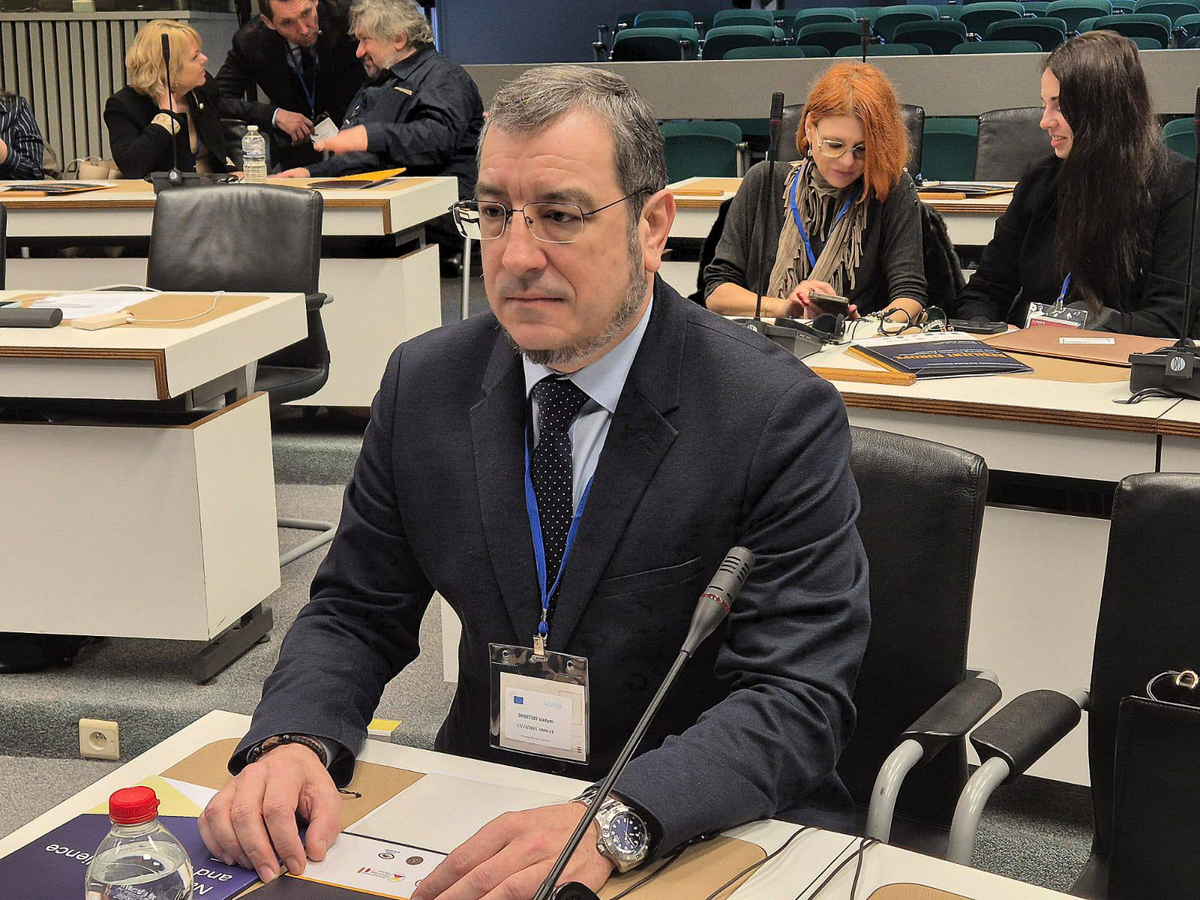
At the “Resilient Europe” forum held December 17-18, Major General Vadym Skibitsky, deputy head of Ukraine’s Military Intelligence (HUR), revealed that Moscow has dramatically increased its covert information operations throughout Europe in recent months. The number of identified pro-Russian propagandists operating in European information spaces has more than doubled this year.
“In February 2025, HUR recorded 75 individuals spreading Russian propaganda in European countries. In May, there were 121 such individuals, coinciding with meetings of Ukraine and Russia contact groups in Istanbul,” Skibitsky explained. “In November, when negotiations on peace conditions between Ukraine and the United States began, 169 such individuals were recorded.”
This surge in information warfare represents just one component of Russia’s broader hybrid campaign, according to Ukrainian intelligence. Skibitsky pointed to other concerning developments, including mysterious drone sightings over civilian airports and military installations across Germany, Denmark, and other European nations in recent months.
“The Russian Federation is conducting a hybrid war against Europe – there are relevant indicators, including drones appearing over civilian airports and military facilities,” he noted. “It can be stated that Russia is not just conducting a hybrid war, but is also expanding its means and trying to strengthen its influence on European countries.”
Security experts have long warned that Russia views information operations as a critical element of its strategic toolkit, particularly in what it considers its sphere of influence. The coordinated increase in propaganda activities during peace negotiations suggests Moscow is attempting to shape the narrative and potentially drive wedges between Ukraine and its European supporters at critical diplomatic junctures.
The forum also highlighted Russia’s systematic human rights abuses, both against its own citizens and residents of occupied Ukrainian territories. Dmytro Usov, secretary of Ukraine’s Coordination Headquarters for the Treatment of Prisoners of War, revealed striking demographic patterns among Russian POWs held in Ukraine.
“More than one-third of Russian prisoners of war currently held in Ukraine are not Russians,” Usov said. “In particular, 16 percent are forcibly mobilized Ukrainian citizens, 12 percent are representatives of the indigenous peoples of the Russian Federation, and another six percent are foreigners.”
These figures underscore Moscow’s controversial military recruitment practices, which have disproportionately targeted non-ethnic Russians and residents of occupied territories. According to Usov, 46,127 Ukrainian citizens have been forcibly conscripted into the Russian military from occupied regions, a practice that violates international humanitarian law.
Rena Marutian, director of the Institute of National Resilience and Security, provided additional context on Russia’s information warfare tactics. She noted that mentions of the European Union in Russian state media and aligned information channels have increased by 50 percent since the full-scale invasion began in 2022, reaching approximately one million publications.
“This is linked to the fact that EU countries have actively joined efforts to support Ukraine,” Marutian explained, suggesting that Russia has redirected significant propaganda resources toward undermining European unity on Ukraine.
The revelations come amid growing concerns across Europe about Russian interference in democratic processes. Several European intelligence agencies have recently issued warnings about Moscow’s attempts to influence upcoming elections, manipulate public opinion, and exploit social divisions within European societies.
Security analysts suggest that as the war in Ukraine continues and peace negotiations develop, European governments will need to strengthen their resilience against these hybrid threats, particularly in the information domain where Russia has demonstrated sophisticated capabilities and a willingness to deploy them aggressively.
Fact Checker
Verify the accuracy of this article using The Disinformation Commission analysis and real-time sources.

13 Comments
The growing scale of Russia’s propaganda network in Europe is deeply concerning. Combating this will require sustained, collaborative efforts by governments, tech companies, media outlets, and citizens to defend the integrity of the information space.
This is a concerning development that underscores the need for Europe to remain vigilant and united in the face of Russia’s hybrid warfare tactics. Building societal resilience must be a top priority.
It’s disheartening to see the scale of Russia’s propaganda network growing so rapidly. Countering this will require a multi-pronged approach involving governments, tech platforms, media, and citizens working together to defend the integrity of the information space.
Agreed. Coordination and cooperation between European nations will be key to effectively combating these cross-border disinformation campaigns.
While not surprising, the rapid growth in identified pro-Russian propagandists operating in Europe is deeply concerning. This highlights the need for robust fact-checking, media literacy, and public awareness campaigns to combat the spread of disinformation.
Concerning news about Russia’s hybrid warfare tactics in Europe. It’s critical that democratic societies remain vigilant against propaganda and disinformation campaigns that seek to undermine stability and unity.
The timing of these escalated information warfare efforts, coinciding with key peace negotiations, is telling. Russia appears intent on using every tool at its disposal to undermine a diplomatic resolution to the conflict in Ukraine.
This is a clear attempt by Russia to sow division and undermine European unity through information warfare. Strengthening media literacy, fact-checking, and public awareness will be vital to building resilience against these tactics.
While the details are alarming, I’m not surprised to see Russia doubling down on its propaganda and disinformation campaigns. Maintaining a strong, coordinated response across Europe will be essential to push back against these hybrid threats.
This is a troubling escalation of Russia’s information warfare efforts. Spreading propaganda and exploiting peace talks is a cynical strategy to sow division and instability. Europe must strengthen its defenses against these hybrid threats.
I agree, the scale and coordination of these propaganda networks is alarming. Democracies need to be proactive in countering Russian influence operations across the information landscape.
This article provides a sobering assessment of Russia’s hybrid warfare tactics against Europe. Building societal resilience through democratic institutions and civil society will be crucial to withstanding these threats.
The data points to a troubling escalation of Russia’s information warfare operations targeting Europe. It’s crucial that democratic institutions and civil society are empowered to expose and counter these malign influence efforts.