


Listen to the article
Russian Forces Deploy Psychological Warfare Ahead of May 9 Celebrations, Dropping Propaganda Leaflets in Border Regions
Russian forces have intensified psychological warfare operations along Ukraine’s border regions, dropping propaganda materials from drones that aim to discredit Ukrainian leadership and manipulate historical narratives about World War II, according to Ukraine’s Center for Countering Disinformation.
The campaign comes as Russia prepares to celebrate May 9, known as Victory Day, which commemorates the Soviet Union’s victory over Nazi Germany in 1945. The date holds special significance in Russian political mythology and has become increasingly weaponized under President Vladimir Putin’s administration as part of efforts to bolster national identity and justify current military actions.
“Ahead of the May 9 date, which is sacred for the Kremlin, the enemy has intensified the dropping of propaganda materials from UAVs in Ukraine’s border areas,” the Center reported via its Telegram channel on Monday.
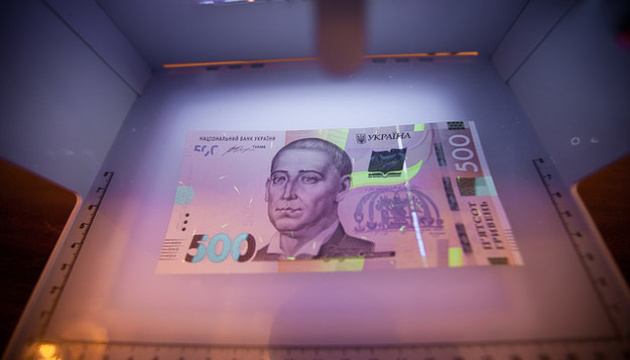
Security officials have discovered that these propaganda materials are designed to mimic Ukrainian hryvnia banknotes, likely to increase the likelihood that civilians will pick them up. The counterfeit currency contains QR codes that potentially link to malware or disinformation websites, presenting a cybersecurity risk to anyone who scans them.
The content of these leaflets reportedly focuses on two main themes: undermining trust in Ukraine’s military and political leadership, and promoting a revisionist view of World War II history that aligns with the Kremlin’s narrative. Some materials explicitly call for “joint celebration of Victory Day,” in an apparent attempt to exploit historical ties between the two nations.
Ukrainian authorities have issued urgent warnings to civilians in border regions, particularly in Sumy and Chernihiv oblasts, where similar incidents were reported in April. “Do not scan suspicious QR codes, do not touch enemy propaganda materials, and report such findings to the police or through the Security Service of Ukraine chatbot,” the Center urged citizens.
This propaganda campaign represents a continuation of Russia’s hybrid warfare tactics that combine military operations with information warfare. The targeting of border regions is particularly strategic, as these areas have been subjected to regular shelling and drone attacks since the full-scale invasion began in February 2022.
Military analysts note that psychological operations have been a consistent element of Russia’s campaign against Ukraine, with tactics evolving over time. The use of drones to distribute physical propaganda materials marks an adaptation of Soviet-era leaflet drops for the modern battlefield.
The falsified currency approach is particularly insidious, according to disinformation experts, as it exploits economic vulnerabilities in a country facing wartime financial pressures. By mimicking hryvnia banknotes, Russian operatives increase the likelihood that financially struggling citizens might be tempted to retrieve the materials.
Ukrainian officials have also reported that Russia is coordinating a broader disinformation campaign targeting Defense Minister Fedorov, suggesting these leaflet drops are just one component of a multi-faceted information warfare strategy.
Since the beginning of the full-scale invasion, Ukraine has developed increasingly sophisticated counter-disinformation capabilities, including dedicated government agencies and partnerships with social media platforms to quickly identify and neutralize propaganda efforts.
International observers have documented Russia’s use of historical narratives, particularly those related to World War II, as justification for its actions in Ukraine. The Kremlin has repeatedly framed its invasion as a “denazification” effort, despite the lack of evidence supporting such claims.
As May 9 approaches, Ukrainian security services are on heightened alert for additional propaganda activities and possible escalation of military actions, as Russia has previously used symbolic dates to intensify operations or make strategic announcements regarding the conflict.
Fact Checker
Verify the accuracy of this article using The Disinformation Commission analysis and real-time sources.

18 Comments
This is a disturbing new development in Russia’s information warfare against Ukraine. Distributing fake money with propaganda QR codes is a devious attempt to spread their revisionist historical narratives. I hope Ukraine can effectively counter these efforts.
Absolutely. Ukraine will need to be vigilant in exposing and debunking this disinformation campaign. Maintaining public trust in the currency is crucial during these trying times.
This is a troubling development, as it shows Russia is willing to go to great lengths to sow discord and undermine Ukraine’s leadership. The use of fake banknotes with propaganda QR codes is a concerning new tactic that plays on people’s familiarity with currency.
While I’m not surprised Russia is engaging in such underhanded propaganda tactics, it’s still disheartening to see. Undermining trust in currency is a particularly insidious way to try to sway public opinion.
This is a concerning development, as the use of propaganda leaflets is a classic tactic of psychological warfare. It will be important to carefully analyze the content and intent behind these fake banknotes to understand the full scope of Russia’s information operations along the Ukrainian border.
Agreed. Dropping propaganda materials from drones is a worrying escalation of Russia’s information warfare efforts. The authorities will need to be vigilant in countering these tactics and educating the public about the true nature of these materials.
Russia’s deployment of these propaganda-laden fake banknotes is a cheap and cynical tactic. It demonstrates the Kremlin’s desperation to control the narrative ahead of their Victory Day celebrations. I hope the Ukrainian people see through these deceptive efforts.
This is a concerning development. Using fake money with propaganda messages to sow disinformation is a disturbing tactic. I wonder what impact this may have on local populations and their trust in the currency.
The Kremlin’s attempts to rewrite history and justify its actions in Ukraine through psychological warfare are deeply troubling. Dropping these fake banknotes seems like a desperate measure to manipulate public perception ahead of their Victory Day celebrations.
I agree, this is a blatant attempt to revise the narrative around WWII and glorify Russia’s role. It’s an alarming escalation of their disinformation campaign.
The timing of this propaganda campaign, just ahead of the Victory Day celebrations, is clearly intended to manipulate historical narratives and stir up nationalist sentiment. It’s a disturbing attempt to legitimize Russia’s current military actions under the guise of patriotism.
Absolutely. Russia’s weaponization of Victory Day is a particularly cynical tactic, as they seek to cloak their aggression in the heroism of the Soviet victory over the Nazis. The international community must remain vigilant and call out these blatant attempts at historical revisionism.
This is a deeply concerning development. Russia’s use of fake banknotes with propaganda QR codes is a blatant attempt to exploit people’s familiarity with currency to spread disinformation and discredit the Ukrainian government. Careful monitoring and fact-checking will be crucial in countering these tactics.
It’s alarming to see Russia escalating its psychological warfare operations along the Ukrainian border. The deployment of propaganda materials from drones is a clear attempt to manipulate public opinion and discredit the Ukrainian government. Vigilance and fact-checking will be crucial in the face of these tactics.
Agreed. Russia’s use of sophisticated propaganda techniques, like mimicking national currency, demonstrates their willingness to exploit any means available to advance their agenda. It’s a disturbing development that requires a robust and coordinated response from the international community.
The deployment of these propaganda materials from drones is a concerning escalation of Russia’s information warfare tactics. It’s a clear attempt to sow discord and undermine Ukraine’s sovereignty. Careful analysis of the content and intent behind these fake banknotes will be crucial in countering this threat.
Absolutely. Russia’s willingness to use such sophisticated propaganda techniques, like mimicking national currency, is a worrying sign of their determination to manipulate public opinion and justify their military aggression. Vigilance and a robust international response will be essential in addressing this challenge.
This news is deeply troubling. Russia’s efforts to weaponize historical narratives and stoke nationalist sentiment through the use of fake banknotes is a blatant attempt to justify their military aggression. The international community must remain vigilant and condemn these tactics in the strongest possible terms.