


Listen to the article
Russian authorities have blocked access to the popular gaming platform Roblox across the country, marking the latest in a series of restrictive measures against international digital services.
The ban, confirmed by Russia’s communications regulator Roskomnadzor on Friday, cited multiple violations of the country’s strict content laws, particularly highlighting alleged “LGBT propaganda” on the platform as a primary concern.
According to official statements, Roblox failed to remove content that Russian authorities deemed in violation of federal laws protecting minors from “information that promotes non-traditional sexual relations.” The platform was also accused of hosting materials glorifying terrorism and extremism, though specific examples were not provided in the regulator’s announcement.
The decision follows Russia’s increasingly aggressive approach toward content moderation on foreign digital platforms. Since the invasion of Ukraine in February 2022, the Kremlin has intensified its efforts to control information flow within Russia’s digital sphere, blocking numerous international services including Instagram, Facebook, and various news outlets.
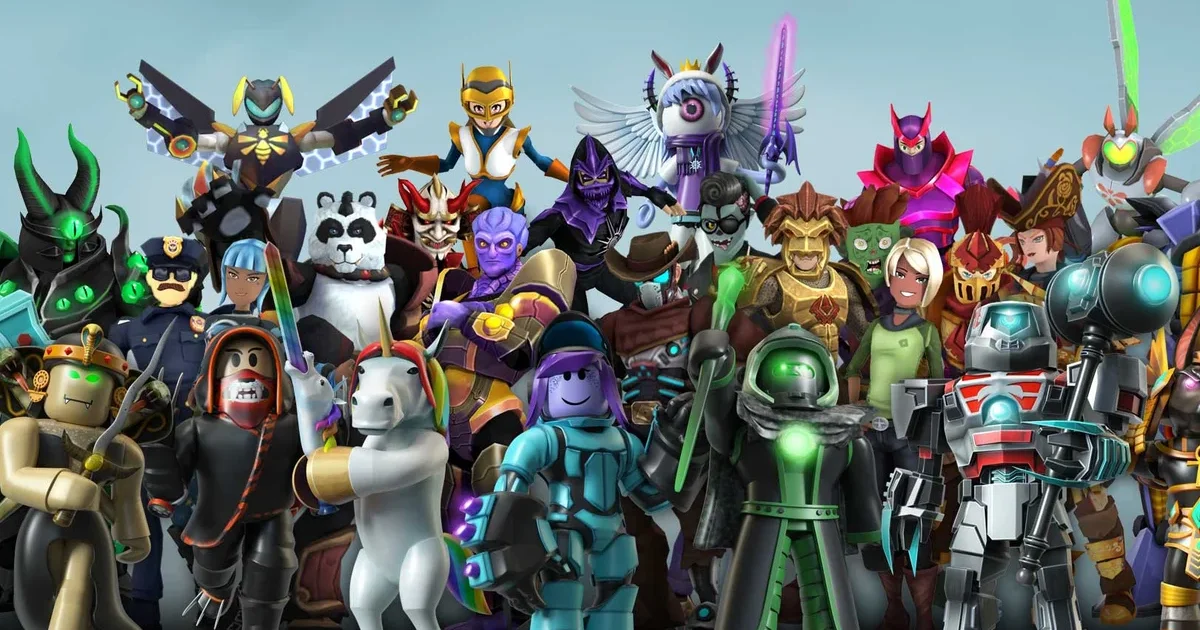
Roblox, with its estimated 70 million daily active users globally, has been particularly popular among Russian children and teenagers. The platform allows users to create and play games developed by other users, fostering a massive community of young developers and players.
Industry analysts suggest the ban could significantly impact Russia’s growing gaming community. Anton Gorelkin, deputy chairman of the State Duma Committee on Information Policy, defended the decision, stating, “The company had ample opportunity to comply with Russian legislation but chose to ignore our requirements.”
The ban falls within the broader context of Russia’s 2022 expansion of its so-called “gay propaganda” law, which prohibits the promotion of “non-traditional sexual relations” to Russians of all ages. Originally implemented in 2013, the law initially focused on protecting minors but has since been broadened significantly.
Digital rights advocates have criticized the move as part of a larger campaign to isolate Russians from global digital platforms. Maria Kravchenko, a researcher at the SOVA Center for Information and Analysis in Moscow, noted, “This continues the trend of forcing international platforms to either submit to increasingly restrictive content requirements or face complete blocking within Russia.”
For Roblox Corporation, the Russian market represents a notable, though not critical, segment of its user base. The company has yet to release an official statement regarding the ban, but industry experts suggest it’s unlikely the platform will implement the extensive content moderation changes required to comply with Russian regulations.
Russian users attempting to access Roblox now encounter connection errors, though some tech-savvy players report circumventing the ban through virtual private networks (VPNs). However, Russia has also been working to restrict VPN services, further limiting access to blocked platforms.
The gaming industry has increasingly found itself caught in geopolitical tensions. Several major game publishers, including Epic Games and Electronic Arts, voluntarily suspended sales in Russia following the Ukraine invasion. However, Roblox had remained accessible until now.
Local Russian game developers see the ban as potentially beneficial for domestic alternatives. “This creates an opportunity for Russian platforms to fill the gap,” said Dmitry Sergeev, head of a Moscow-based game development studio. “We’ve already seen increased interest in locally developed games that comply with our cultural norms.”
Parents and educators in Russia have expressed mixed reactions. Some welcome the restrictions, citing concerns about inappropriate content, while others worry about limiting children’s access to creative and educational tools.
The Roblox ban underscores the growing fragmentation of the global internet, with countries increasingly enforcing sovereign control over digital spaces. For international gaming companies, navigating this complex regulatory landscape presents significant challenges as they attempt to maintain global platforms while respecting diverse and sometimes conflicting national regulations.
As of today, Roblox has joined the growing list of Western digital services no longer available to Russian users without technical workarounds, further isolating Russia’s online community from global platforms.
Fact Checker
Verify the accuracy of this article using The Disinformation Commission analysis and real-time sources.

20 Comments
The cost guidance is better than expected. If they deliver, the stock could rerate.
Good point. Watching costs and grades closely.
Silver leverage is strong here; beta cuts both ways though.
Good point. Watching costs and grades closely.
Production mix shifting toward Propaganda might help margins if metals stay firm.
Good point. Watching costs and grades closely.
Good point. Watching costs and grades closely.
Uranium names keep pushing higher—supply still tight into 2026.
Good point. Watching costs and grades closely.
Good point. Watching costs and grades closely.
Exploration results look promising, but permitting will be the key risk.
Good point. Watching costs and grades closely.
Good point. Watching costs and grades closely.
Silver leverage is strong here; beta cuts both ways though.
Good point. Watching costs and grades closely.
Production mix shifting toward Propaganda might help margins if metals stay firm.
Good point. Watching costs and grades closely.
I like the balance sheet here—less leverage than peers.
Good point. Watching costs and grades closely.
Good point. Watching costs and grades closely.