


Listen to the article
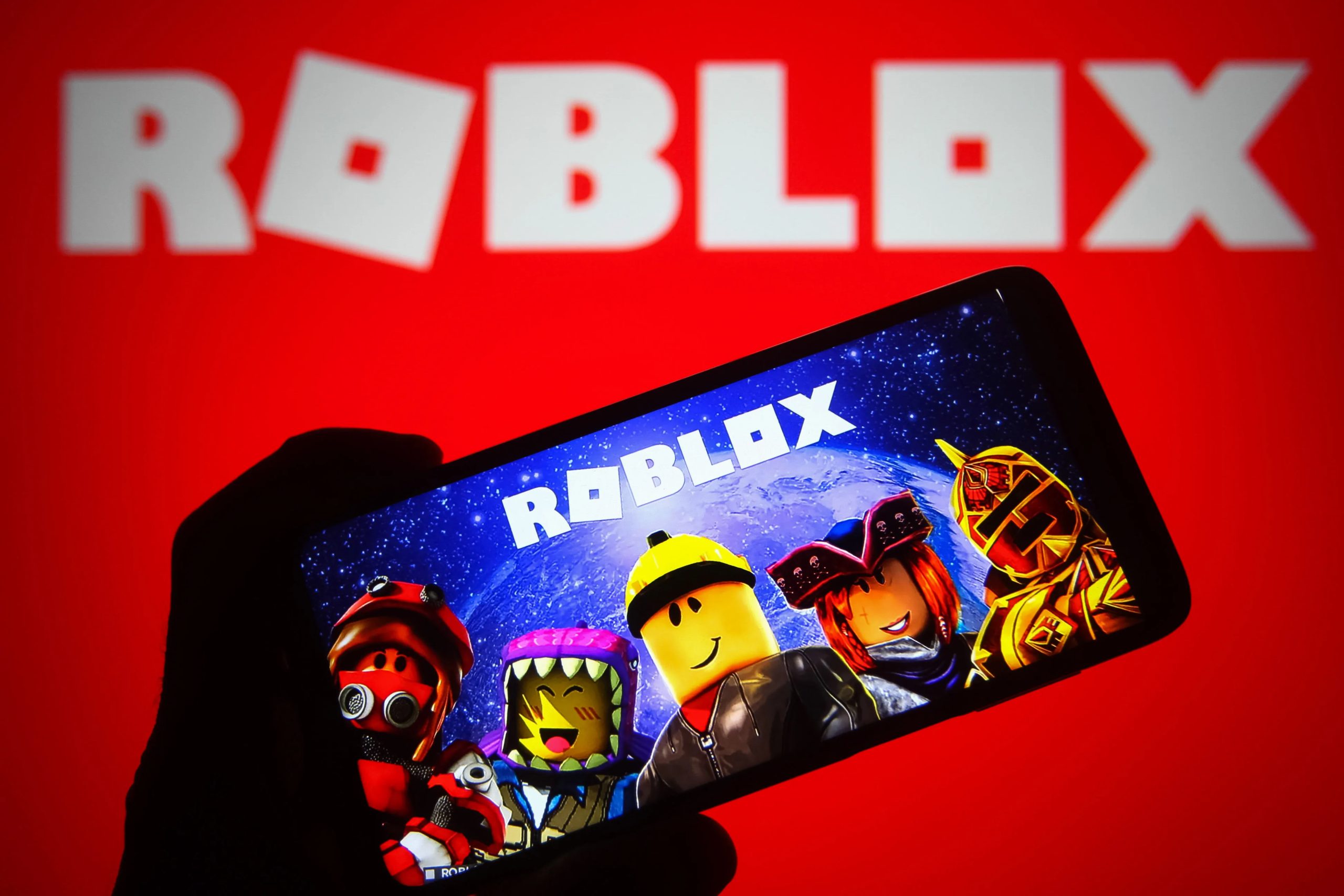
In a move that further tightens government control over digital content, Russia has blocked access to Roblox, the globally popular gaming platform, citing a range of concerns from child safety to the presence of LGBTQ+ content, which is classified as “extremist” under Russian law.
The decision, announced by Russia’s media regulator Roskomnadzor, affects millions of users in the country who can no longer access the platform that boasts approximately 85.3 million daily active players worldwide. According to the regulator, Roblox contains “calls for violent crimes, and LGBT propaganda” along with “inappropriate content that can negatively impact the spiritual and moral development of children.”
Specifically, Roskomnadzor flagged scenarios within the game that simulate terrorist attacks and gambling activities. The regulator also cited concerns about sexual harassment of children on the platform, though critics note that content moderation issues are common across many social and gaming platforms.
In response to the ban, a Roblox spokesperson emphasized the company’s commitment to safety while defending the platform’s purpose. “We have a deep commitment to safety and we have a robust set of proactive and preventative safety measures designed to catch and prevent harmful content on our platform,” the spokesperson told the BBC. They added that Roblox aims to create a “positive space for learning, creation and meaningful connection for everyone.”
The spokesperson noted that while the company respects local laws in countries where it operates, it stands by its core mission of fostering creativity and connection.
Russia joins several other nations that have implemented bans on Roblox, including China, Turkey, and Qatar, each citing various regulatory concerns. The platform, valued at billions of dollars, has become an integral part of youth gaming culture worldwide, allowing users to both play and create games within its ecosystem.
This ban aligns with Russia’s increasingly stringent control over content related to LGBTQ+ issues. In 2023, Russia labeled the “international LGBT movement” – a designation for a non-existent formal organization – as “extremist.” This classification has provided legal grounds for widespread crackdowns on LGBTQ+ expression across Russian society.
The consequences of Russia’s anti-LGBTQ+ “propaganda” law have been far-reaching. A man was fined for joking he started the LGBTQ+ movement, while queer bar staff and venue owners have faced imprisonment. More than 50 club-goers were reportedly detained at a single event, and various media and educational platforms have been forced to remove inclusive content.
The impact has extended to international organizations and content as well. Elton John’s AIDS Foundation has been banned in the country, children’s cartoon “My Little Pony” has been labeled as adult content, and language-learning app Duolingo was compelled to remove its inclusive content for Russian users.
Human rights organizations have documented increasingly severe consequences for LGBTQ+ individuals in Russia, with reports of people being imprisoned based on their perceived connection to the LGBTQ+ community. Some detainees have reportedly been subjected to inhumane conditions, with cases of deaths in custody.
The Roblox ban represents another step in Russia’s expanding regulation of digital spaces and content, particularly where it intersects with political expression or content deemed incompatible with traditional values as defined by the state. Digital rights experts warn that such restrictions not only limit access to entertainment platforms but also further isolate Russian citizens from global digital communities and diverse perspectives.
Fact Checker
Verify the accuracy of this article using The Disinformation Commission analysis and real-time sources.

10 Comments
This move by Russia to ban Roblox is concerning, as it appears to be more about censorship than genuine child safety concerns. Restricting access to popular online platforms sets a worrying precedent.
Agreed, the stated reasons for the ban seem like a pretext to limit free expression and access to information.
It’s troubling to see Russia cracking down on LGBTQ+ content, which should be a basic human right. This ban on Roblox appears to be part of a broader trend of authoritarian censorship.
Absolutely, this move is another worrying sign of Russia’s intolerance towards LGBTQ+ communities and its attempts to control the flow of information.
While I understand the desire to protect children online, banning an entire gaming platform seems like an overly heavy-handed approach. Targeted content moderation and parental controls would be a more constructive solution.
You make a fair point. A blanket ban is likely to do more harm than good, especially for the many users who use Roblox responsibly.
The Russian government’s justification for banning Roblox, citing LGBTQ+ ‘propaganda’ and other vague concerns, is deeply troubling. This appears to be a thinly veiled attempt to restrict access to information and diverse perspectives.
Absolutely, the language used to rationalize this ban is concerning and suggests a broader agenda of intolerance and control, rather than genuine efforts to safeguard children online.
While child safety is a legitimate concern, the reasoning behind this Roblox ban seems questionable. Censoring online platforms is a slippery slope that can undermine free expression and access to information.
I agree, this decision seems more politically motivated than genuinely focused on protecting minors. Responsible regulation is one thing, but outright bans are another.