


Listen to the article
Russia Bans Roblox, Citing Propaganda and LGBTQIA+ Content Concerns
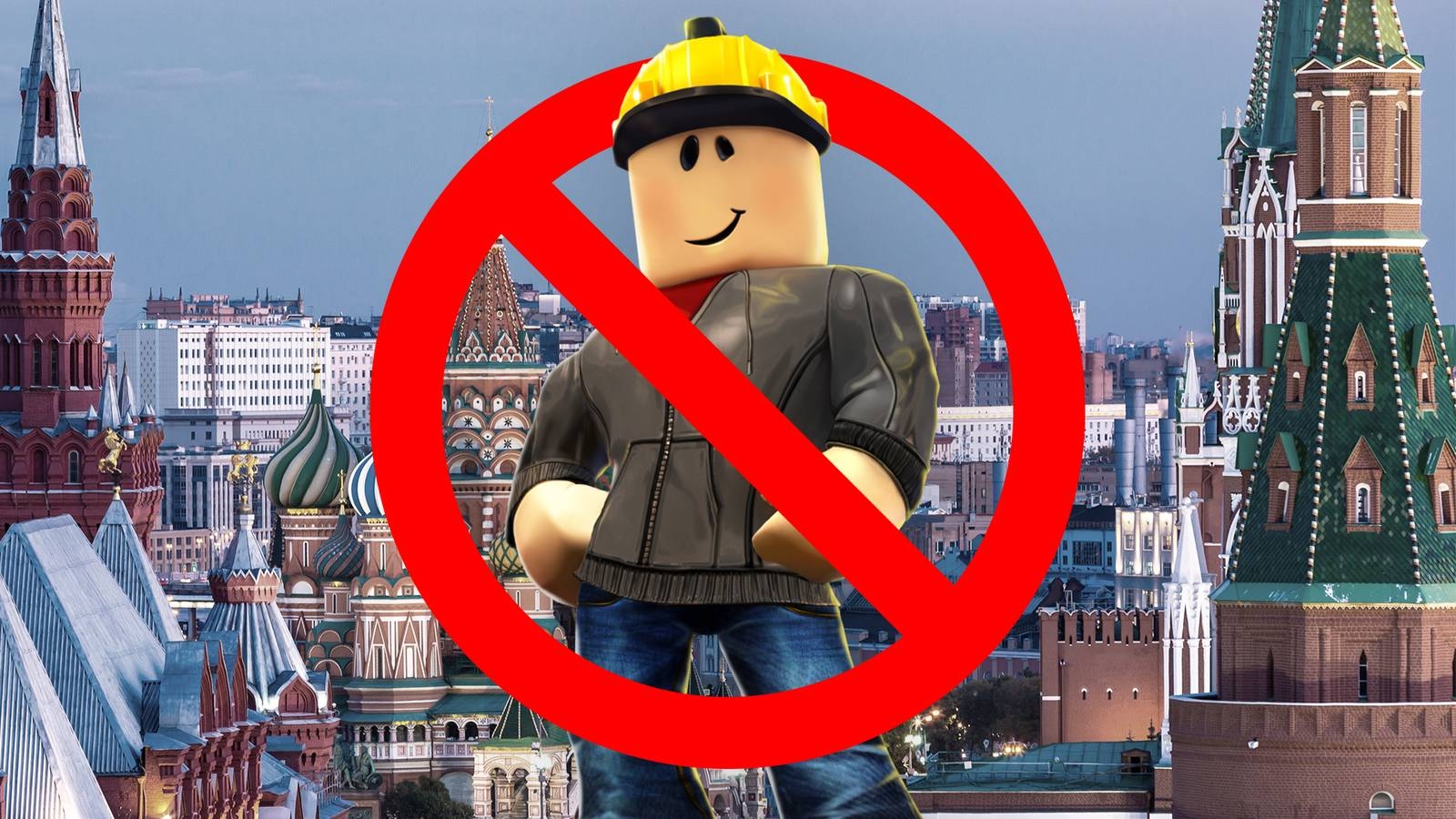
Russia has officially banned Roblox, the popular online gaming platform, after federal authorities claimed it facilitates the spread of propaganda, terrorist activity, and support for the LGBTQIA+ movement. The ban effectively cuts off more than 2 million daily active users across Russia from accessing the platform, marking the latest country to restrict access to the global gaming giant.
The decision adds Russia to a growing list of at least eight nations where Roblox faces restrictions or outright bans, reflecting increasing government intervention in digital platforms across various jurisdictions.
Since its launch in fall 2006, Roblox has evolved into one of the world’s largest online gaming ecosystems, boasting over 100 million monthly active users who engage with thousands of user-created games. The platform operates on a unique model where players can both consume and create content, fostering a vibrant community of developers and gamers.
Popular titles on the platform such as Forsaken, Rivals, and Grow a Garden have demonstrated remarkable engagement metrics, with each recording daily player counts exceeding 120,000 in November 2025. These figures surpass the daily active user numbers for established AAA franchises like Call of Duty: Black Ops 7, underscoring Roblox’s significant market position in the gaming industry.
The platform’s business model has proven exceptionally successful, with Roblox Corporation reporting substantial revenue growth in recent years. The company’s market capitalization has reflected this success, though it has experienced volatility amid broader economic conditions and regulatory challenges.
Russia’s ban appears to align with the country’s increasingly restrictive policies on content deemed to conflict with traditional values. The specific mention of LGBTQIA+ content as a justification for the ban follows a pattern of legislation in Russia that has increasingly limited expression of non-traditional sexual orientations and gender identities.
Digital rights advocates have expressed concern about the growing trend of gaming platform restrictions worldwide. Critics argue such bans represent concerning examples of digital censorship, while supporters of these measures contend they protect national values and young users from potentially harmful content.
Industry analysts note that Roblox has faced various controversies throughout 2025, with the Russian ban representing just the latest challenge for the platform. Previous issues have included concerns about content moderation, user safety, and the economic model that underlies its creator marketplace.
The company has implemented various safety features and content guidelines over the years to address concerns about inappropriate content, particularly given its popularity among younger users. However, the platform’s massive scale and user-generated content model present ongoing moderation challenges.
For Russian players and developers who have built businesses or communities within Roblox, the ban creates immediate economic and social disruptions. Some users may attempt to circumvent restrictions using VPN services, though the effectiveness of such measures remains uncertain given Russia’s sophisticated internet monitoring capabilities.
Roblox Corporation has not yet issued a comprehensive response to the Russian ban. However, industry observers expect the company might engage with Russian authorities to negotiate potential conditions for reinstatement, as has occurred with other digital platforms facing similar restrictions.
The ban highlights the increasing tensions between global digital platforms and national regulatory frameworks, particularly in countries seeking greater control over online content. As digital entertainment continues to transcend traditional borders, such conflicts between international platforms and national regulations are likely to remain a persistent feature of the global digital landscape.
Fact Checker
Verify the accuracy of this article using The Disinformation Commission analysis and real-time sources.

14 Comments
Russia’s decision to ban Roblox is a significant move, given the platform’s massive global reach and popularity, especially among younger users. I’m curious to see if this sparks any international backlash or wider implications for the gaming industry.
Good point. The Roblox ban could have ripple effects, both within Russia and globally, as other countries assess their own stances on user-generated content platforms. It’ll be an important case study to follow.
The Roblox ban highlights the challenges global gaming platforms face as they navigate complex geopolitical and regulatory environments. It’ll be interesting to see if other countries follow suit or if Roblox can find a way to address the concerns raised.
Absolutely. Roblox will need to carefully balance user freedoms and creativity with the demands of regulators in different markets. Finding that equilibrium will be crucial for the platform’s continued global expansion.
Russia’s decision to ban Roblox over alleged propaganda and LGBTQIA+ concerns is an interesting development. I wonder if this is part of a broader crackdown on digital platforms and user-generated content, or if there are specific issues the government has with Roblox’s content and moderation practices.
That’s a good question. The Roblox ban seems to be part of a wider pattern of government intervention in online spaces, particularly those with user-generated content. It will be important to monitor how this plays out and if it sets any precedents for other platforms and markets.
The Roblox ban in Russia raises important questions about the role of government regulation in the digital sphere, particularly when it comes to user-generated content and platforms catering to younger audiences. It’ll be worth tracking how this situation unfolds.
Absolutely. This case highlights the ongoing tensions between individual freedoms, corporate responsibilities, and government oversight in the digital age. It’ll be fascinating to see how Roblox and other platforms navigate these complex challenges going forward.
Interesting to see Russia banning Roblox over alleged propaganda and LGBTQIA+ concerns. I wonder if this is part of a broader crackdown on digital platforms and user-generated content. It’ll be worth watching how this plays out globally.
You raise a good point. Russia’s move seems to be part of a broader pattern of government intervention in online spaces, especially those with user-generated content. It’ll be important to monitor the ripple effects of this ban.
I’m curious to learn more about the specific propaganda and LGBTQIA+ content concerns that led Russia to ban Roblox. The platform’s user-generated model makes content moderation a complex challenge for any government.
That’s a good point. The nuances of how user-generated content on Roblox could be interpreted as propagandistic or objectionable will be an interesting aspect to explore further. Striking the right balance is no easy feat.
The Roblox ban in Russia underscores the broader tensions between digital platforms, user freedoms, and government regulation. It’ll be worth watching how this issue evolves, both in Russia and potentially in other markets as well.
Absolutely. This case highlights the delicate balance that global tech companies must navigate as they operate in diverse political and cultural environments. Roblox’s response will be crucial in setting precedents for the industry.