


Listen to the article
Israeli officials and American pro-Israel groups have intensified lobbying efforts on U.S. college campuses, aiming to counter growing pro-Palestinian sentiment amid the ongoing Gaza conflict, according to multiple reports and firsthand accounts from students and faculty.
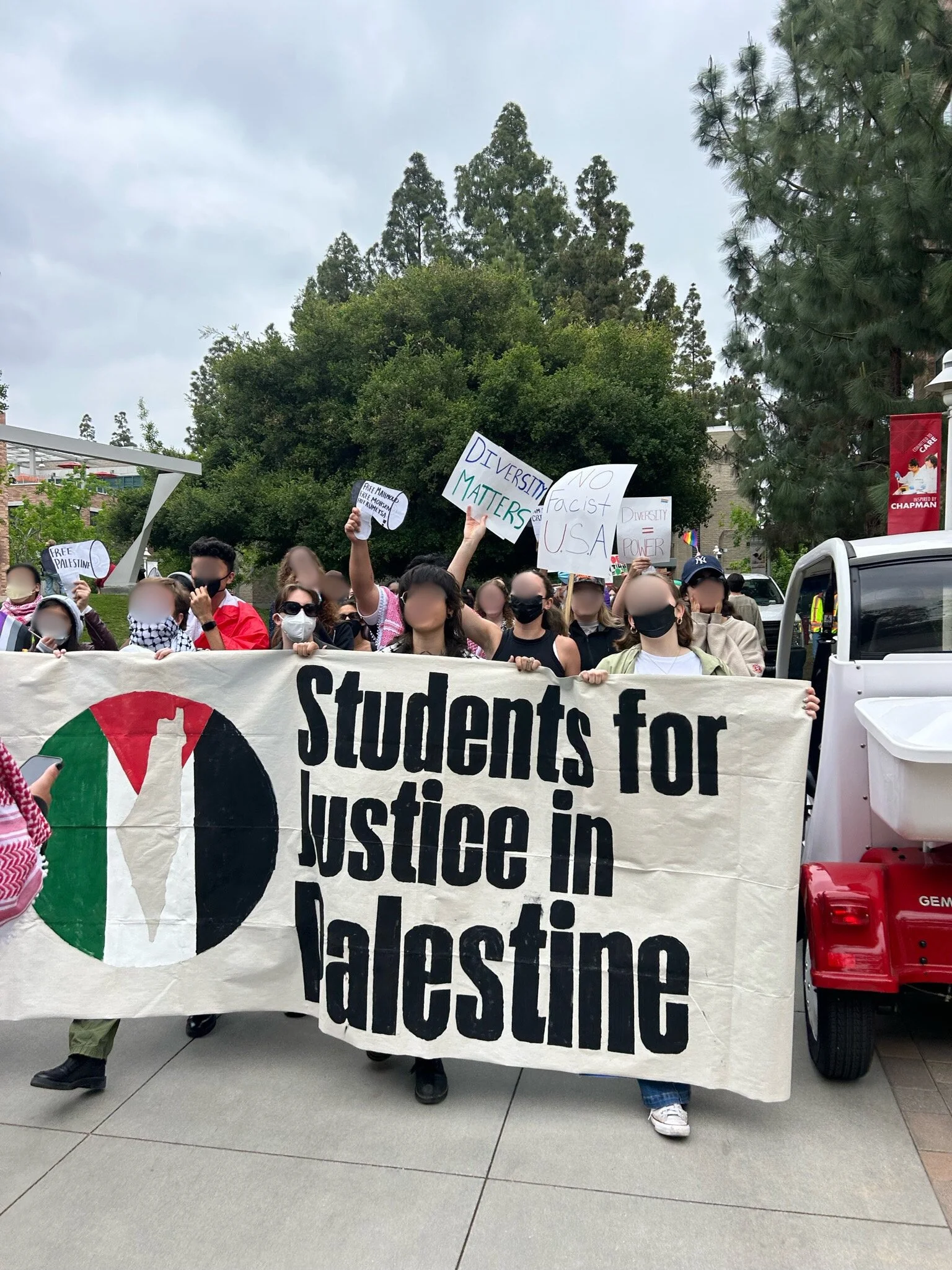
The campaign, described by supporters as “bridging the gap” in understanding Israel’s position, has taken shape across numerous universities where pro-Palestinian demonstrations have gained momentum since October 7. Critics, however, characterize these efforts as propaganda designed to stifle legitimate debate about Israel’s military actions in Gaza, which have resulted in over 35,000 Palestinian casualties according to health authorities in the region.
At the center of these efforts are organizations like Hillel International, StandWithUs, and the Israel on Campus Coalition, which have significantly increased their presence and activities at universities nationwide. These groups have hosted speakers, distributed materials, and organized counter-demonstrations to present what they describe as “Israel’s side of the story.”
“We’re simply trying to ensure that students have access to balanced information,” said Daniel Cohen, a representative from one such organization who spoke on condition of partial anonymity due to security concerns. “The narrative on many campuses has become dangerously one-sided.”
However, faculty members at several universities have expressed concerns about the nature of these interventions. Professor Sarah Martinez, who teaches Middle Eastern Studies at a major public university, noted a troubling pattern in these advocacy efforts.
“What we’re seeing goes beyond normal advocacy. There’s evidence of coordinated campaigns to monitor, report, and sometimes intimidate students and faculty who express solidarity with Palestinians,” Martinez explained. “Some of my colleagues have received threatening emails after speaking at campus events.”
Documents obtained through public records requests at three public universities reveal that Israeli consular officials have met with university administrators to discuss concerns about campus activism, sometimes providing lists of specific events and individuals they considered problematic.
The impact has been particularly felt in academic departments focused on Middle Eastern studies, where professors report pressure to cancel events or modify course content. At one prominent Midwestern university, a planned panel discussion on humanitarian conditions in Gaza was postponed indefinitely after administrators cited “security concerns” following complaints from pro-Israel alumni donors.
Student experiences reflect this changing campus atmosphere. Maya Khalidi, a senior studying international relations, described how her student group’s approved demonstration was subjected to last-minute restrictions not applied to other campus events.
“We followed every university protocol, but suddenly we were told we couldn’t use certain words or display certain images because they might make other students uncomfortable,” Khalidi said. “Meanwhile, pro-Israel events with inflammatory speakers proceeded without any similar scrutiny.”
Financial leverage appears to play a significant role in these dynamics. University development offices have reported concerns from major donors about campus activism critical of Israel, with some explicitly threatening to withhold contributions if administrators don’t take action against pro-Palestinian activities.
Legal advocacy groups have documented a sharp increase in complaints filed against universities under Title VI of the Civil Rights Act, alleging that criticism of Israel or Zionism creates a hostile environment for Jewish students. While protecting students from genuine antisemitism remains crucial, civil liberties organizations have expressed concern that these complaints often conflate political criticism with discrimination.
The Foundation for Individual Rights and Expression (FIRE) has documented dozens of cases where faculty or students faced investigation or sanction for expressing views critical of Israel’s actions in Gaza, raising serious concerns about academic freedom.
“Universities are meant to be places where difficult issues can be debated openly,” said constitutional law expert Professor James Harrington. “When external pressure restricts that debate, regardless of which side applies it, the fundamental mission of higher education is compromised.”
For their part, pro-Israel advocates maintain that their work is necessary to combat what they see as a rising tide of antisemitism disguised as criticism of Israel. They point to instances where protesters have used inflammatory language or imagery that crosses the line from political critique to antisemitic tropes.
As tensions continue both in the Middle East and on American campuses, universities face the difficult challenge of maintaining environments where free expression and rigorous debate can flourish while ensuring that all community members feel safe and respected.
Fact Checker
Verify the accuracy of this article using The Disinformation Commission analysis and real-time sources.

12 Comments
This speaks to the challenges of addressing the Israeli-Palestinian conflict on university campuses. Both sides seem eager to sway public opinion, which could stifle genuine academic discourse. It’s a delicate balance to strike.
Agreed. Universities should aim to facilitate impartial analysis and civil debate, rather than allow political agendas to dominate. Thoughtful, nuanced discussions are needed on this complex geopolitical issue.
This highlights the complexities and sensitivities surrounding the Israeli-Palestinian conflict, especially on university campuses. While bridging gaps in understanding is important, the accusations of propaganda are worrying. Universities should aim to facilitate impartial analysis and civil discourse, not allow political agendas to dominate.
The competing efforts to sway public opinion on this issue are concerning. Universities should strive to foster objective analysis and balanced discussions, rather than allow political agendas to dominate. Thoughtful, nuanced dialogue is crucial for addressing such a complex geopolitical conflict.
Well said. Maintaining academic freedom and the free exchange of ideas should be the top priority, even on sensitive topics. Hopefully all sides can engage constructively to increase mutual understanding.
This is a delicate situation that speaks to the broader challenges of addressing the Israeli-Palestinian conflict. While the pro-Israel groups’ efforts to present their perspective are understandable, the accusations of propaganda are troubling. Universities should aim to facilitate impartial analysis and civil debate, not allow political agendas to dominate.
The efforts by pro-Israel groups to counter growing pro-Palestinian sentiment are understandable, but the accusations of propaganda are concerning. Universities should strive to encourage open and balanced dialogue on this divisive topic.
Absolutely. Academic freedom and the free exchange of ideas are essential. Hopefully the various stakeholders can find a way to engage constructively and avoid further polarization.
This highlights the complexities of the Israeli-Palestinian conflict and the challenges of addressing it on university campuses. While bridging gaps in understanding is important, the claims of propaganda are worrying. Maintaining impartiality and civil discourse should be the priority.
The competing efforts to influence public opinion on this issue are concerning. Universities should strive to encourage open and balanced dialogue, rather than allow political agendas to sway the narrative. Maintaining academic freedom and the free exchange of ideas should be the priority, even on such a divisive topic.
Interesting to see the debate around campus efforts to present Israel’s perspective. While bridging gaps in understanding is important, claims of propaganda seem concerning. I hope universities can foster open and civil discussions on this complex geopolitical issue.
You raise a good point. Maintaining balanced and objective dialogue is crucial, even on sensitive topics. Hopefully all sides can engage constructively to increase mutual understanding.