


Listen to the article
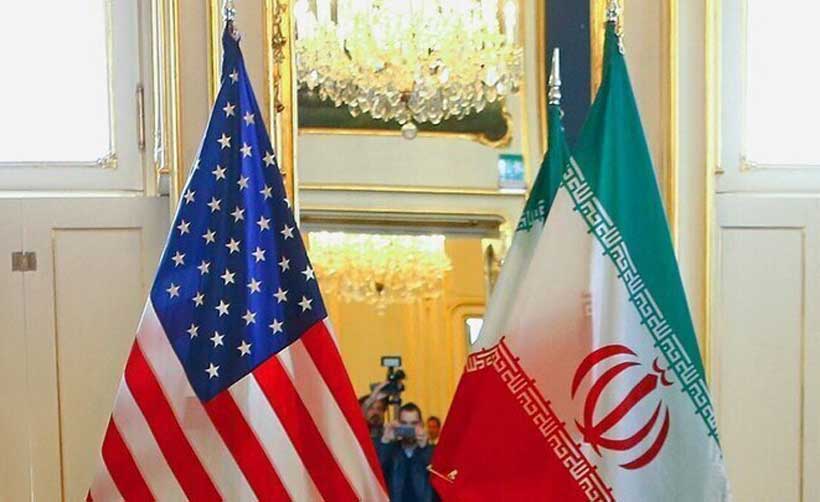
As tensions between the United States and Iran reached alarming levels in March 2026, both nations have engaged in sophisticated information manipulation tactics that experts describe as “card stacking” – selectively presenting facts to shape public opinion while concealing unfavorable information.
The current crisis stems from failed nuclear negotiations in Geneva in early February 2026, where diplomats from both countries were unable to reach what negotiators called “a fair agreement for both parties.” The diplomatic breakdown was exacerbated by demonstrations from Iranian opposition groups in Geneva, creating additional political pressure on negotiators.
Global markets have responded with increasing volatility as concerns mount about potential military escalation and disruptions to critical energy trade routes. Oil futures have jumped nearly 15% since mid-February, reflecting investor anxiety about the stability of Persian Gulf shipping lanes that transport approximately 20% of the world’s oil supply.
In public statements, American officials have emphasized what they characterize as Iran’s threat to global security. President Donald Trump warned that “really bad things” would happen without a new agreement, while Secretary of State Marco Rubio specifically pointed to Iran’s reluctance to discuss its ballistic missile program as a “big, big problem.”
Iranian officials have presented a starkly different narrative. Foreign Minister Abbas Araghchi claimed there had been “good progress” in the talks before they collapsed, emphasizing an understanding of guiding principles and describing the U.S. position as “stubborn.”
The American government’s information strategy has centered on satellite imagery purportedly showing dangerous nuclear materials in Iran, which U.S. officials claim represents a direct threat to international security. However, independent weapons inspectors have noted that the evidence contains significant ambiguities that officials have downplayed in public presentations.
The U.S. has also heavily publicized concerns about Iran’s ballistic missile capabilities while minimizing discussion about how military pressure might destabilize the broader Middle East region. This selective presentation of facts has created a narrative suggesting military intervention may be the only viable option to ensure global security.
Iran’s government has deployed similar tactics, using state-controlled media to highlight civilian suffering caused by economic sanctions while emphasizing the nation’s sovereign right to develop nuclear technology for peaceful purposes. Iranian state television regularly broadcasts footage of medical facilities allegedly unable to obtain critical supplies due to sanctions, creating powerful imagery that resonates domestically and with sympathetic international audiences.
Iranian officials have repeatedly referenced diplomatic progress in official statements to position themselves as reasonable negotiators. However, these communications notably omit information about the financial burden of Iran’s military operations throughout the Middle East and persistent domestic corruption issues that have plagued the economy.
The consequences of these information manipulation strategies extend far beyond diplomatic posturing. Domestically, citizens in both countries receive increasingly distorted views of the conflict, eroding their ability to make informed judgments about their governments’ policies. This has fueled heightened nationalism based on incomplete data, which political leaders have leveraged to consolidate power.
International relations expert Dr. Maryam Hashemi from Georgetown University notes that “the public becomes trapped in an atmosphere of fear and hatred perpetuated through carefully curated information that leaves little room for questioning official narratives or considering alternative viewpoints.”
On the global stage, selective fact presentation has undermined trust between nations and weakened international oversight institutions. When countries present only favorable information to domestic and international audiences, opportunities for meaningful dialogue diminish rapidly.
The United States’ emphasis on security justifications has normalized the consideration of military options in international relations, while Iran’s obfuscation of domestic challenges has made reestablishing global cooperation increasingly difficult.
Financial analysts predict continued market uncertainty as long as the information environment remains polluted by selective disclosure practices. “Investors are pricing in not just conflict risk but information risk,” explains Samantha Chen, chief strategist at Global Market Partners. “When reliable information becomes scarce, risk premiums inevitably rise.”
As long as both nations continue cherry-picking facts to support predetermined positions, peace efforts in 2026 appear increasingly elusive, with profound implications for regional stability and global security.
Fact Checker
Verify the accuracy of this article using The Disinformation Commission analysis and real-time sources.

10 Comments
I’m curious to hear more about the specifics of the failed nuclear negotiations in Geneva. What were the key sticking points that prevented a deal, and how did the public demonstrations add to the political pressure on the negotiators?
That’s a great question. Understanding the nuances of the failed negotiations would provide important context on the root causes of the current tensions. Transparent reporting on those details could help inform a more balanced public discourse.
The volatility in global energy markets is certainly concerning. While it’s understandable that investors are anxious about potential disruptions, I hope cooler heads will prevail and diplomacy can find a peaceful solution before things escalate further.
Absolutely. Maintaining stable energy trade and supply is critical, not just for the global economy but for the well-being of people around the world. I agree that a diplomatic resolution should be the top priority here.
This situation highlights the delicate balance between national security concerns, energy interests, and the need for transparent, impartial information. I hope that all parties involved can find a way to de-escalate tensions and reach a fair agreement that prioritizes global stability and the free flow of energy resources.
Well said. Geopolitical conflicts with high stakes like this require nuanced, fact-based analysis to avoid further inflaming the situation. Objective reporting and diplomatic efforts will be crucial in finding a peaceful path forward.
This situation seems to highlight the complex dynamics between geopolitics, information control, and energy markets. It’s concerning to see how propaganda and misinformation can escalate international tensions, with potentially serious consequences for global stability and energy supply chains.
Agreed. Transparent and impartial reporting is crucial to help the public understand the nuances of these high-stakes disputes, rather than being swayed by partisan spin from either side.
The role of oil and energy security in this conflict is particularly troubling. Disruptions to critical shipping lanes could have major ripple effects on the global economy, especially for industries and countries heavily reliant on Persian Gulf energy exports.
You raise a good point. Maintaining stable energy trade is vital, and any military escalation that jeopardizes that could be disastrous. I hope cooler heads prevail and diplomacy can find a peaceful resolution.