


Listen to the article
Political Imprisonment Claims in Albania: A Propaganda Tool
In Albania’s complex political landscape, the concept of “political imprisonment” has emerged as a contentious issue, with current and former officials from various political affiliations making claims that raise serious questions about the legitimacy of such accusations.
The situation has created a paradoxical narrative where representatives from the ruling Socialist Party (SP), including former Tirana Mayor Erion Veliaj, are claiming political persecution despite being key architects of the very justice reform they now criticize.
Veliaj, who served as the number two figure in the Socialist Party and mayor of the capital, was instrumental in leading justice reform efforts alongside Fatmir Xhafaj, whom he later supported as a parliamentary candidate. Now behind bars, Veliaj has hired lobbyists and law firms to promote his narrative as a political prisoner, despite having been a central figure in the governing party’s power structure.
Similar claims have come from Edison Memolla, another mayor who has publicly argued that his legal troubles stem from political connections within the judiciary. Both officials face serious charges, with Veliaj accused in connection with vote buying and Memolla involved in allegations of financial impropriety.
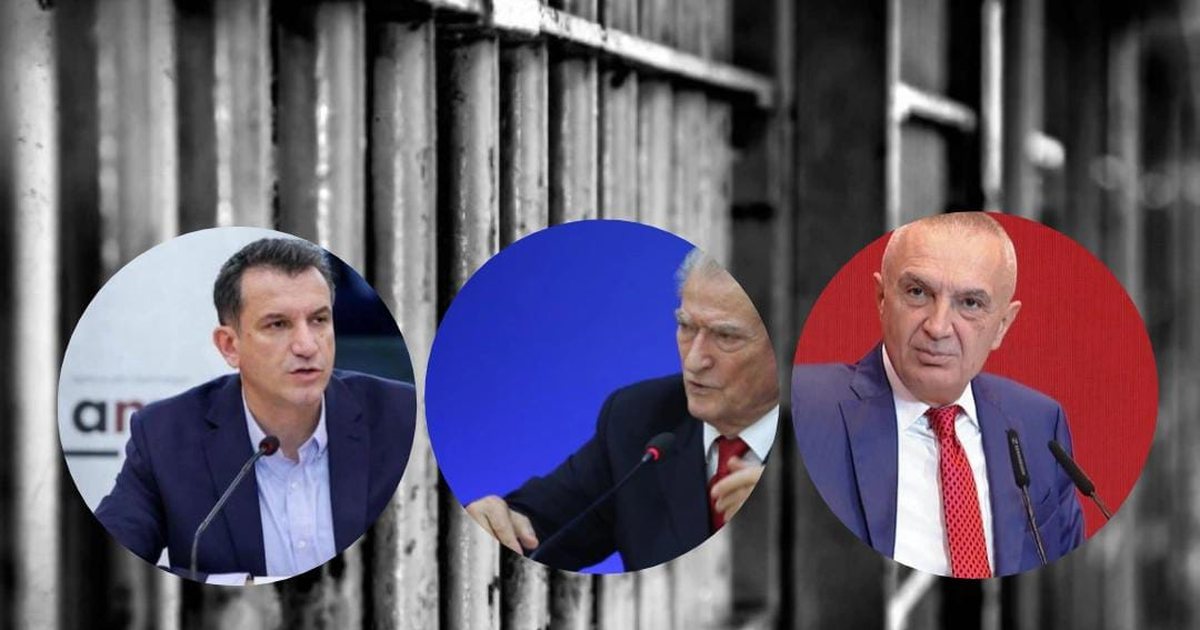
The opposition, including figures like Sali Berisha and Ilir Meta, has long maintained that Prime Minister Edi Rama’s 12-year grip on power has corrupted the justice system. Berisha, currently under house arrest, and Meta, who is also facing legal troubles, have been vocal critics of the reform, with Meta describing it as “Rama-form” rather than genuine reform.
Political analysts note the contradiction in these claims, particularly from Socialist Party officials. If the justice system is politically controlled, as they suggest, then why would Rama allow the prosecution of his own party members ahead of election campaigns? Far from harming his electoral prospects, Rama actually secured more votes and parliamentary mandates after Veliaj’s arrest.
The situation highlights the fluid nature of political allegiances and accusations in Albania, where everyone seems to have connections across party lines and within the judiciary. Critics suggest these claims of political persecution serve primarily as propaganda tools designed to maintain supporter loyalty and extend political careers rather than reflecting genuine concerns about judicial independence.
Berisha’s approach to the Special Anti-Corruption Prosecution Office (SPAK) and the Special Court for Corruption and Organized Crime (GJKKO) further illustrates the political gamesmanship at play. While condemning decisions against his allies, he praises the same institutions when they prosecute Socialist officials.
The paradox reaches new heights when considering that Socialist officials are essentially borrowing the opposition’s rhetoric while simultaneously having been architects of the very system they now criticize. Some observers suggest it’s only a matter of time before Prime Minister Rama himself begins blaming Berisha for the imprisonment of his ministers and officials.
These developments reflect a deeper crisis in Albania’s political discourse, where accusations of political persecution have become normalized as tactical maneuvers rather than substantive critiques of the justice system’s independence and effectiveness.
Fact Checker
Verify the accuracy of this article using The Disinformation Commission analysis and real-time sources.

9 Comments
While concerns over potential abuse of the justice system for political purposes are understandable, the details of these specific cases seem murky. More independent analysis would be helpful to determine the facts.
That’s a fair point. Unbiased assessments from non-partisan observers could shed more light on whether these are legitimate cases of political persecution or consequences of the justice reform process.
This is a nuanced situation that requires careful examination. Claims of political imprisonment should be scrutinized, but the involvement of key political figures in the justice reform process adds an additional layer of complexity. Transparent and impartial analysis is crucial.
The use of ‘political imprisonment’ as a propaganda tool is troubling, but the details of these cases seem murky. More independent assessment is needed to determine if there are legitimate concerns or if this is an attempt to undermine the justice system’s credibility.
While concerns over potential political abuse of the justice system are understandable, the specific claims in this case require further investigation. Impartial analysis of the legal and political context would help determine the validity of the ‘political prisoner’ allegations.
This is a complex issue where claims of political imprisonment need to be carefully examined. It’s important to understand the nuances of Albania’s political landscape and the ongoing justice reform efforts before jumping to conclusions.
Agreed, the involvement of key political figures in the justice reform process raises questions about the validity of ‘political prisoner’ claims. Transparency and impartial investigations are crucial.
The use of ‘political imprisonment’ claims to justify propaganda is concerning. However, the details behind these specific cases appear complex. Impartial investigation would help determine if there are genuine issues of political persecution or if this is an attempt to discredit the justice system.
Allegations of political imprisonment are serious, but it’s important to avoid jumping to conclusions without a thorough understanding of the legal and political context in Albania. Objective analysis is needed to determine the facts.