


Listen to the article
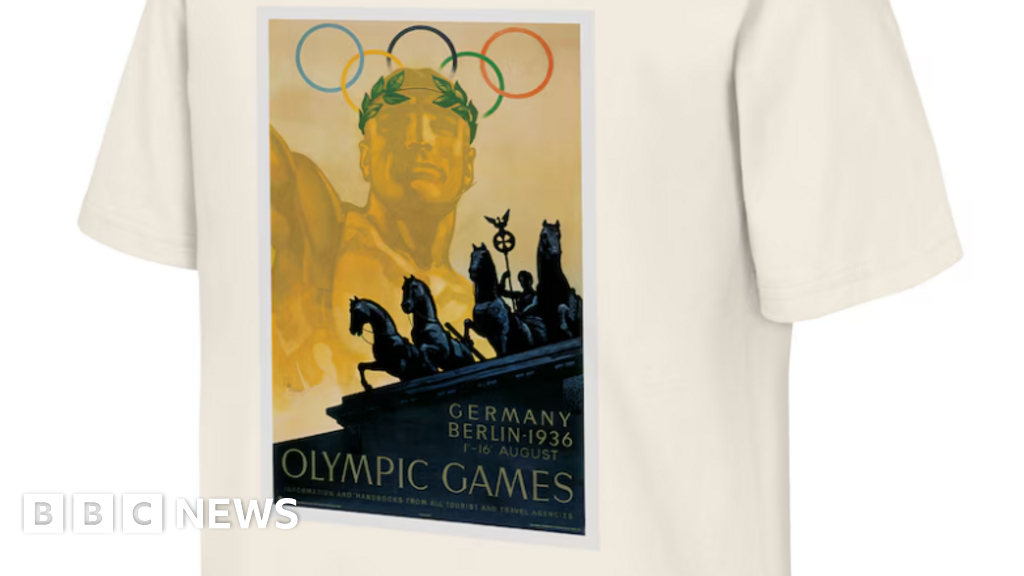
The International Olympic Committee has come under intense criticism after its official online store was found selling a T-shirt commemorating the 1936 Berlin Olympics, an event widely regarded as a propaganda showcase for Nazi Germany.
The controversial merchandise, which featured imagery from the Games held three years after Adolf Hitler rose to power, was available for purchase on the Olympic Shop website until it was hastily removed following public backlash on social media and complaints from Jewish organizations.
Critics have expressed shock and disbelief that the IOC would commercialize an event so deeply intertwined with Nazi propaganda. The 1936 Olympics were deliberately used by Hitler’s regime to project an image of Aryan racial superiority and to obscure the persecution of Jews and other minorities that was already underway in Germany.
“Selling merchandise that celebrates or commemorates the 1936 Berlin Games shows a profound lack of historical sensitivity,” said Dr. Rachel Cohen, a historian specializing in Olympic history at Cambridge University. “These weren’t just any Olympics—they were explicitly designed as a showcase for Nazi ideology.”
The American Jewish Committee was among the organizations that condemned the IOC’s decision, calling it “deeply insensitive and inappropriate” in a statement released Tuesday. “The 1936 Games cannot be separated from their historical context as a Nazi propaganda event,” the statement continued.
When contacted for comment, an IOC spokesperson acknowledged the error and confirmed the item had been removed from sale. “We recognize the historical sensitivities surrounding the 1936 Olympics and regret any offense caused. The merchandise has been withdrawn from our official store effective immediately,” the spokesperson said.
The controversy comes at a delicate time for the Olympic movement, which has been working to distance itself from political controversies while simultaneously promoting values of inclusion and respect. The Paris 2024 Games are less than three months away, and organizers had hoped to focus attention on positive preparations rather than historical controversies.
The 1936 Berlin Olympics remain one of the most politically charged sporting events in history. While Nazi officials temporarily toned down anti-Semitic activities during the Games to present a more palatable image to international visitors, the regime’s true nature was already evident to many observers.
The most celebrated moment of those Games came when African American athlete Jesse Owens won four gold medals, effectively demolishing Hitler’s myth of Aryan supremacy. However, historians note that Nazi propaganda officials still considered the Olympics a success in boosting Germany’s international image.
Sports merchandise experts suggest the incident reflects a broader problem of commercialization without consideration for historical context. “There’s a growing market for vintage sports memorabilia, but organizations need rigorous vetting processes for what’s appropriate to reproduce,” explained Sarah Winfield, a sports marketing analyst.
This isn’t the first time Olympic merchandising has sparked controversy. In 2012, Spanish Olympic uniforms drew criticism for resembling Nazi-era German designs, though in that case the resemblance was deemed coincidental.
The European Jewish Congress has called on the IOC to review its merchandising approval processes. “We appreciate the quick response in removing the items, but a more thorough vetting system is needed to prevent such insensitive products from reaching the market in the first place,” their statement read.
Olympic historians point out that the IOC has generally tried to acknowledge the problematic aspects of the 1936 Games in its educational materials and museum exhibitions, making the merchandising misstep all the more surprising.
The incident has sparked a broader discussion about how sporting organizations should handle commemoration of events with troubling historical connections. Some experts suggest that while historical documentation and education are vital, commercialization crosses an ethical line.
As the Paris Games approach, the IOC will likely face increased scrutiny over its handling of both historical and contemporary political sensitivities, with this merchandising controversy serving as a reminder of the complex intersection between sports, history, and memory.
Fact Checker
Verify the accuracy of this article using The Disinformation Commission analysis and real-time sources.
