


Listen to the article
Troll Network on X Linked to Venezuelan Government Spreads Propaganda Despite Platform Ban
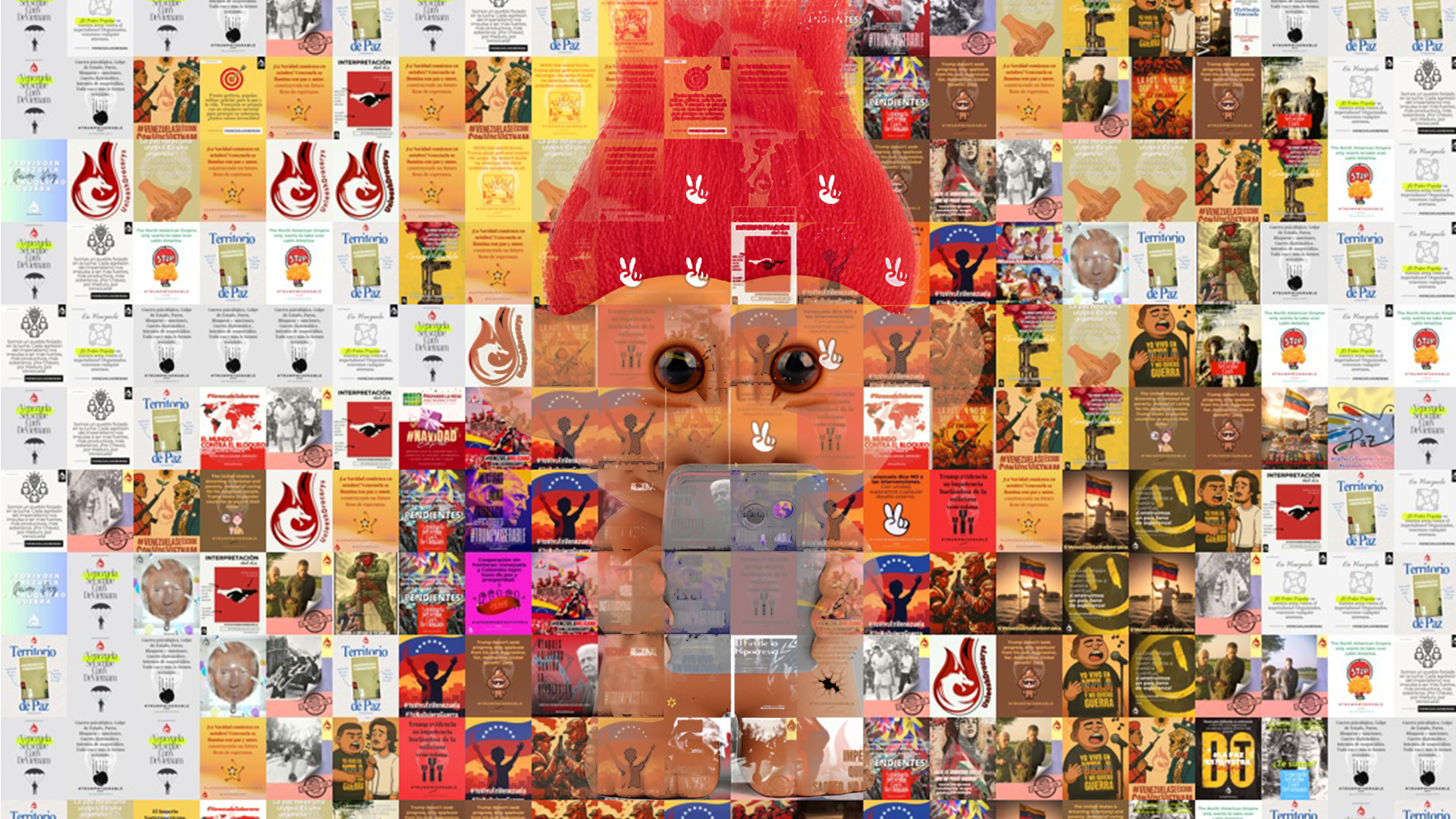
A sophisticated network of more than 50 troll accounts is actively amplifying pro-government propaganda on X (formerly Twitter), despite the platform being officially blocked in Venezuela since August 2024 by order of President Nicolás Maduro. The accounts are linked to a covert information operation run by the General Directorate of Digital Media of Venezuela’s Ministry of People’s Power for Communication and Information (Mippci).
The network was initially discovered through analysis of accounts that systematically amplified content from “Dracarys,” an anonymous propaganda account recently suspended by X. Previous investigations had connected Dracarys (username @UnleashDracarys) to officials from Mippci’s Digital Media Directorate.
Unlike conventional bot networks that generate high volumes of spam, these accounts mimic organic behavior by posing as real users while operating in a coordinated fashion to amplify specific messaging. The investigation found that while the network originally consisted of over 95 accounts, dozens have been suspended by X’s anti-manipulation systems. However, network operators regularly create new accounts to replace those that are removed.
“The strategy not only seeks to influence public conversation on social media by amplifying coordinated propaganda campaigns, but also to artificially inflate the popularity, reach and perceived relevance of Dracarys’s content on X,” notes the report.
Tracking revealed two distinct waves of account creation: approximately 35 accounts created between April and July 2025 (most now suspended) and more than 60 accounts created between August and November 2025, with about 50 still active as of mid-November.
Coordinated Amplification Tactics
The troll accounts consistently use the hashtag #UnleashDracarys when sharing content, serving as a marker that connects the network. Their activity focuses almost exclusively on boosting content from Dracarys and promoting pro-Maduro propaganda through various unofficial outlets.
Most accounts within the network rarely post original content, instead concentrating on reposting material from Dracarys and other pro-government accounts, including the former official Mippci account (@LoQSeDic), “unofficial” propaganda outlets like Venezuela News and Extra News Mundo, and accounts connected to “Escuela Influye,” a government-affiliated “influencer school.”
When these accounts do publish original content, it typically consists of generic messages such as motivational quotes or sports comments—a tactic known as “spamouflage” designed to camouflage their propagandistic nature and evade detection.
Telltale Signs of Inauthenticity
Analysis revealed multiple patterns that expose the network’s coordinated, inauthentic nature. These include:
- Profile photos avoiding identifiable faces, using landscapes, flowers, partial views of women, or anime characters instead
- Instances of exact image duplication across different accounts
- Vague usernames lacking surnames or identifiable information
- Empty or generic biography sections lacking personal details
- Low follower and following counts (generally below 20)
- Activity exclusively focused on amplifying Dracarys content
One example highlighted in the report is the account @JesusMadri90644 (“Jesús Díaz Madrid”), created in September 2025. Despite having only two followers—the suspended Dracarys account and @LoQSeDic—the account had made 68 reposts, all from propaganda sources.
Connection to Previous Disinformation Operations
The current troll network appears to be an extension of a similar operation identified during Venezuela’s July 2024 presidential election. Days before the election, Jorge Rodríguez, president of the National Assembly and Maduro’s campaign chief, presented alleged opposition messages calling for violence against government supporters.
Independent fact-checkers later exposed these as part of a “false-flag disinformation operation” connected to Maduro’s campaign. When this was reported, Dayra Rivas, the director of Digital Media at Mippci, used the @PiensaIA account (which later became @UnleashDracarys) to discredit the fact-checkers’ investigation.
“These are not two isolated troll networks: the structure active in 2025 is a continuation of the one that operated in 2024, whose accounts were almost all gradually suspended,” the investigation concludes.
The recurring use of fake-account networks demonstrates a consistent, long-term strategy by Venezuelan government officials to manipulate public opinion, even on platforms officially blocked within the country.
Fact Checker
Verify the accuracy of this article using The Disinformation Commission analysis and real-time sources.

11 Comments
It’s good to see this network of propaganda accounts has been largely dismantled, but the threat of state-backed information operations persists. Platforms must remain vigilant and proactive in combating such manipulation.
The revelations about this troll network linked to Venezuela’s Mippci are concerning. Increased transparency and accountability around platform policies and enforcement would help build user trust in the fight against state-sponsored disinformation.
Concerning to see this network of coordinated troll accounts spreading propaganda on behalf of the Maduro government. Platforms need to remain vigilant against such information operations aimed at manipulating public discourse.
I agree, these kinds of coordinated campaigns undermine the integrity of online platforms and must be aggressively addressed. Transparency and authentication of accounts is crucial.
This report highlights the ongoing challenge of foreign actors using social media to interfere in domestic politics. Robust fact-checking and transparency measures are crucial to protect the integrity of online discourse.
Agreed. Platforms need to invest heavily in AI-powered detection and human content moderation to stay ahead of increasingly sophisticated disinformation campaigns.
The Venezuelan government’s use of troll farms to amplify pro-regime messaging is a troubling tactic. Platforms should continue strengthening their defenses against these kinds of covert influence campaigns.
Absolutely. Tighter content moderation and more rigorous account verification are needed to limit the spread of state-sponsored disinformation on social media.
Looks like the Maduro regime is getting more sophisticated in its attempts to manipulate public discourse online. Platforms must stay vigilant and continuously improve their tools to detect and mitigate these kinds of covert influence campaigns.
It’s troubling to see the Venezuelan government employing these tactics to amplify its messaging and undermine democratic discourse. Platforms need to stay one step ahead of evolving disinformation strategies.
Maduro’s government appears to be resorting to covert propaganda tactics as their legitimacy continues to erode. Platforms should work closely with researchers to identify and disrupt these kinds of coordinated influence operations.