


Listen to the article
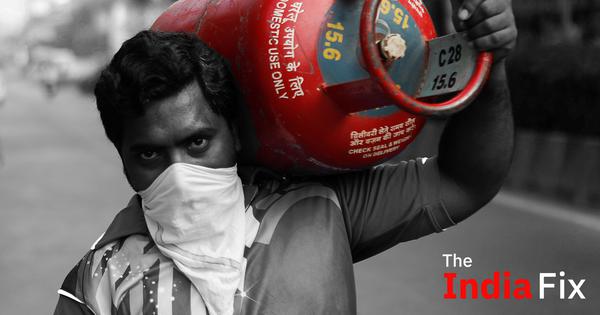
In a dramatic turn of events, India finds itself caught in the crossfire of Middle Eastern tensions, with the Iran-Israel conflict creating tangible impacts on daily life for millions of Indians. Cooking gas shortages have swept across the country as supply chains from West Asia face disruption, putting pressure on Prime Minister Narendra Modi’s government to respond.
The crisis has exposed India’s energy vulnerability and sparked controversy over how the situation is being portrayed to the public. Reports circulated widely in Indian media last week suggesting Iran had granted India special exemptions from its blockade of the Strait of Hormuz. The country’s largest news wire, ANI, cited unnamed sources claiming Tehran would “allow Indian-flagged ships to pass safely through the Strait of Hormuz,” a narrative that major publications like The Times of India echoed.
These claims were amplified on social media by BJP supporters who attributed the supposed diplomatic victory to Prime Minister Modi’s leadership. However, External Affairs Minister S. Jaishankar directly contradicted these reports on Sunday, telling the Financial Times that no “blanket arrangement” exists with Iran. Instead, each vessel’s passage through the strategic waterway requires individual negotiation.
The gas shortage crisis highlights a significant shift in India’s foreign policy orientation under Modi’s leadership. While historically maintaining cordial relations with Iran, India has progressively distanced itself from Tehran in recent years, aligning more closely with the United States-Israel axis.
The timing of Modi’s visit to Israel—just days before it launched attacks on Iran that killed Supreme Leader Ali Khamenei—raised eyebrows. India’s delayed acknowledgment of Khamenei’s assassination further signaled this policy shift. It took nearly a week for India to express condolences, doing so through the relatively low-profile method of signing a book at Iran’s embassy in Delhi.
This cooling of India-Iran relations has manifested in concrete policy decisions. In 2019, India ceased purchasing Iranian oil under U.S. pressure. Earlier this year, the Modi government ended its involvement in Iran’s strategically important Chabahar port project. In a more confrontational move, India seized Iranian tankers—vessels that Tehran is now demanding be returned, according to Reuters.
These actions collectively suggest that Iran no longer views India as a neutral party in its conflict with the U.S. and Israel. Consequently, while Chinese and even Bangladeshi ships reportedly enjoy blanket exemptions to transit the Strait of Hormuz, Indian vessels must negotiate passage individually—creating delays and uncertainties that impact India’s energy security.
The situation presents a challenging reality check for India’s diplomatic positioning. Despite the BJP government’s promotion of Modi as a “vishwaguru” (world leader) who commands global respect, the current crisis reveals the limitations of India’s influence as a middle power on the world stage.
India faces significant constraints in leveraging international relationships—it lacks the export dominance of manufacturing powerhouses, controls few global value chains, and produces no vital commodities like oil. These limitations make India vulnerable to pressure from stronger powers, as evidenced by former U.S. President Trump’s imposition of substantial tariffs on Indian goods despite the supposed alliance between the nations.
For ordinary Indians feeling the impact of gas shortages, the disconnect between triumphant narratives of India’s global standing and the reality of empty cooking gas cylinders is becoming increasingly apparent. The government’s initial response—attempting to manage public perception through media channels rather than addressing the structural vulnerabilities in energy security—may prove insufficient as the crisis continues.
As the Middle East conflict evolves, India faces the difficult task of balancing its strategic relationships with ensuring basic necessities for its citizens—a challenge that cuts through political messaging to the heart of governance responsibilities.
Fact Checker
Verify the accuracy of this article using The Disinformation Commission analysis and real-time sources.

8 Comments
This episode highlights the importance of diversifying India’s energy mix and reducing reliance on imported fuels, especially from volatile regions. Investing in renewable energy, domestic production, and storage capacity could help improve resilience.
The cooking gas shortages are undoubtedly causing hardship for millions of Indian households. The government needs to find sustainable solutions, whether through diplomatic efforts or domestic production, to ensure reliable energy supplies.
This situation reflects the complex geopolitical dynamics India has to navigate as it tries to balance relations with Iran, the US, and other players. Managing energy security amid these tensions is a major challenge for the Modi government.
Interesting to see how this plays out politically. The opposition will likely use this crisis to attack the government’s handling of the situation and its energy policy more broadly. Good governance requires facing challenges head-on, not deflecting with dubious claims.
This gas shortage crisis highlights India’s energy vulnerabilities and reliance on imported fuels. The government needs to take a hard look at diversifying its energy mix and improving domestic production to enhance energy security.
Interesting situation with the gas supply issues in India. Seems like there’s some conflicting information and political posturing going on. Would be good to get more transparency from the government on the real situation and challenges they’re facing.
The claims about Iran granting India special access through the Strait of Hormuz seem dubious, given the minister’s direct contradiction. Sounds like a case of the government trying to spin the narrative rather than being upfront about the real challenges.
Agreed, the government’s credibility on this issue seems questionable. Transparency and honest communication with the public would go a long way in building trust.