


Listen to the article
West African Democracy Under Siege as Coup Wave Continues
West Africa’s democratic landscape faces mounting challenges as military takeovers in Benin and Guinea-Bissau add to a troubling regional trend. These recent coups reinforce the region’s growing characterization as a “coup belt,” joining countries like Niger, Mali, and Burkina Faso where military juntas have seized power in recent years.
Multiple factors have created fertile ground for these military interventions. Widespread frustration with incumbent governments, economic hardship, persistent inequality, and deteriorating security situations have eroded public confidence in democratic institutions. External actors, particularly those with ties to Russia, have exploited these grievances through sophisticated disinformation campaigns. In the Sahel region, AI-generated propaganda linked to Russian interests has systematically undermined democratic values while promoting authoritarian alternatives.
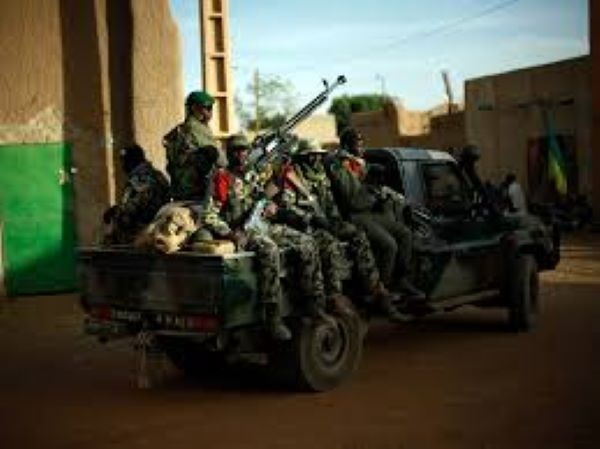
Despite promises of improved governance, military rule has largely failed to deliver solutions. The Sahel region illustrates this pattern starkly, with coups coinciding with escalating terrorism and continued economic decline. Mali offers a particularly sobering example: a nationwide fuel shortage has effectively paralyzed the country as Islamist insurgents block access to the capital, exposing the junta’s inability to manage security challenges.
Rather than fulfilling promises of reform and stability, Mali’s military leaders and their external supporters stand accused of serious human rights violations against civilians. Political opposition has been systematically suppressed, democratic institutions hollowed out, and elections postponed indefinitely, removing essential checks on power abuses.
In Guinea-Bissau, senior military officers overthrew President Umaro Embaló on November 26, just days before election results were scheduled for announcement. The timing has fueled speculation that Embaló may have orchestrated the coup himself to prevent the announcement of an opposition victory. The president subsequently sought refuge in neighboring Senegal.
The military’s intervention effectively destroyed the election results, leaving the country’s Electoral Commission unable to certify the vote. ECOWAS (Economic Community of West African States), the regional political and economic bloc, condemned what it termed an “unconstitutional change of government” and threatened sanctions unless constitutional order is restored. While stopping short of military intervention, this response signals growing determination among regional organizations to counter military overreach.
Benin’s experience proved markedly different when a December 7 coup attempt briefly threatened President Patrice Talon’s government. Soldiers appeared on national television claiming the president had been deposed, but a significant portion of the military remained loyal to the government and confronted the coup plotters, many of whom were subsequently arrested. The general population also actively resisted the attempt, demonstrating the resilience of Benin’s multiparty democratic tradition established in the 1990s.
The coup attempt collapsed rapidly, partly due to decisive ECOWAS intervention. The regional body deployed military forces supporting President Talon and conducted targeted airstrikes against forces linked to the plotters. This forceful response demonstrates ECOWAS’s increasingly firm stance against actors threatening democratic governance in the region.
Foreign influence played a visible role in Benin’s coup attempt. Russia-aligned networks that support military juntas in the Sahel actively promoted the coup through propaganda channels, attempting to shape public opinion favorable to the plotters. Notable figures like Kemi Seba, based in Niger and with reported links to Russia’s Wagner Group, publicly celebrated the event as a “liberation day.” Benin has since issued an arrest warrant for Seba, and intelligence reports suggest that certain Nigerien military leaders may have had prior knowledge of or even supported the coup attempt.
West Africa stands at a critical crossroads. Military takeovers continue to exploit legitimate public grievances, while foreign-backed propaganda and competing geopolitical interests further destabilize the region. However, the swift responses in Benin and growing international condemnation of Guinea-Bissau’s coup suggest that regional bodies are becoming more assertive in defending democratic norms.
The ongoing struggle between authoritarian impulses and democratic institutions will likely define West Africa’s political landscape for years to come. At stake is not merely the form of government but the region’s prospects for stability, sustainable development, and the protection of fundamental civil liberties. Whether democratic institutions can withstand the combined pressures of public disillusionment, external interference, and internal power struggles remains the central question for West Africa’s political future.
Fact Checker
Verify the accuracy of this article using The Disinformation Commission analysis and real-time sources.

16 Comments
This is a sobering reminder of the fragility of democracy in parts of West Africa. The exploitation of public frustrations by external actors through disinformation campaigns is particularly concerning. Maintaining vigilance and supporting democratic processes will be vital going forward.
Agreed. The international community must take a firm stand against these undemocratic actions and work to strengthen the resilience of democratic institutions in the region. Allowing authoritarian alternatives to take hold would be a dangerous setback.
This is a sobering reminder of the fragility of democracy in parts of West Africa. The exploitation of public frustrations by external actors through disinformation campaigns is particularly concerning. Maintaining vigilance and supporting democratic processes will be vital going forward.
Agreed. The international community must take a firm stand against these undemocratic actions and work to strengthen the resilience of democratic institutions in the region. Allowing authoritarian alternatives to take hold would be a dangerous setback.
This is a concerning development that underscores the fragility of democracy in parts of West Africa. The exploitation of public frustrations through sophisticated disinformation campaigns is particularly worrying. Maintaining vigilance and supporting democratic processes will be crucial going forward.
Agreed. The international community must take a strong stance against these undemocratic actions and work to strengthen the resilience of democratic institutions in the region. Allowing authoritarian alternatives to take hold would be a dangerous setback for the people of West Africa.
This is a concerning trend in West Africa. Military coups undermine democracy and are often accompanied by disinformation campaigns that further erode public trust. It’s crucial that the international community pushes for a return to democratic governance in the region.
Agreed. The rise of authoritarian alternatives promoted by external actors is particularly worrying. Strengthening democratic institutions and values is key to building regional resilience against these threats.
The article highlights the complex interplay of factors driving the wave of coups in West Africa, from economic hardship to security challenges. While military rule may promise short-term stability, history has shown that it often fails to address the root causes of instability. Sustainable solutions will require reinvigorating democratic processes and institutions.
The article highlights the complex interplay of factors driving the wave of coups in West Africa, from economic hardship to security challenges. While military rule may promise short-term stability, history has shown that it often fails to address the root causes of instability. Sustainable solutions will require reinvigorating democratic processes and institutions.
This is a concerning trend that underscores the fragility of democracy in parts of West Africa. The exploitation of public frustrations through sophisticated disinformation campaigns is particularly worrying. Maintaining vigilance and supporting democratic processes will be crucial going forward.
Agreed. The international community must take a firm stand against these undemocratic actions and work to strengthen the resilience of democratic institutions in the region. Allowing authoritarian alternatives to take hold would be a dangerous setback for the people of West Africa.
The article highlights the complex factors driving these coups, from economic hardship to security challenges. While military rule may promise short-term stability, history shows it often fails to address the root causes. Sustainable solutions require reinvigorating democratic processes.
The pattern of military coups coinciding with escalating terrorism and economic decline is troubling. It underscores the need for a holistic approach that addresses security, governance, and development challenges. Strengthening democratic institutions and regional cooperation will be crucial.
The article highlights the complex factors driving these coups, from economic hardship to security challenges. While military rule may promise short-term stability, history shows it often fails to address the root causes. Sustainable solutions require reinvigorating democratic processes.
Absolutely. The deterioration of democratic norms and the spread of disinformation are deeply intertwined. Combating propaganda and restoring faith in democratic institutions should be priorities for the international community in the region.