


Listen to the article
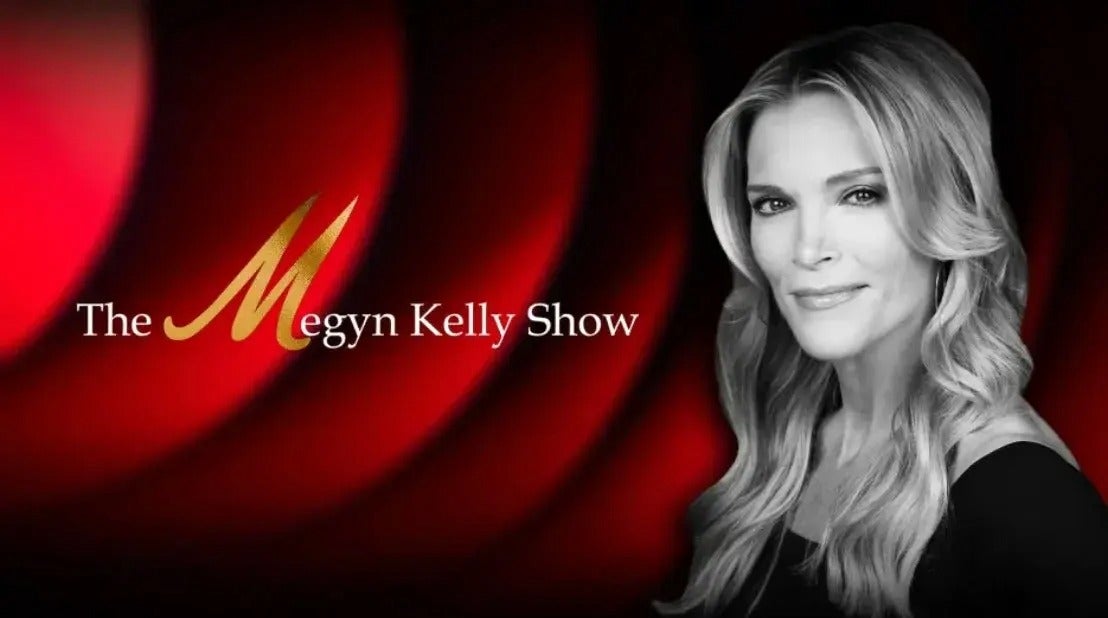
In a rare moment of introspection about media coverage, veteran broadcaster Megyn Kelly has publicly distanced herself from what she describes as uncritical support for U.S. foreign interventions, specifically addressing recent coverage of Venezuela and potential U.S. military action.
Speaking on her program, Kelly reflected on her 14-year tenure at Fox News, noting that in the past, she “would have known exactly what to do in the wake of Trump’s attack in Venezuela” – referring to the hypothetical scenario of former President Trump pursuing action against Venezuelan leader Nicolas Maduro.
Kelly expressed concern after observing Fox News coverage that she characterized as “Russian propaganda” due to what she perceived as a lack of skepticism and excessive enthusiasm for potential military intervention. “There was nothing skeptical. It was all rah-rah cheerleading,” Kelly stated.
The broadcaster was careful to position herself in a moderate stance, emphasizing her support for the U.S. military and her respect for Trump while advocating for a more measured approach to foreign policy discussions. “I’m going to stay on the yellow light for this. I’m not in the green-light territory. I’m not in the red-light territory either,” she explained.
Kelly acknowledged the strategic arguments for potential U.S. intervention in Venezuela, citing concerns about Russian, Chinese, and Cuban influence in the oil-rich nation. She described this geopolitical reasoning as “the most persuasive argument and obviously the real one,” while dismissing what she called “bullshit about law enforcement” as justification for intervention.
Drawing on historical precedent, Kelly referenced U.S. interventions in Iraq and Libya as cautionary tales. “I have seen what happens when you cheerlead, unabashedly, U.S. intervention in foreign countries thinking it’s for our good and for the national and the international good only to wind up with what we’ve called quagmire,” she said.
Her comments reflect growing skepticism among some media personalities and political commentators about the long-term consequences of U.S. military interventions abroad. The United States has a complex history with regime change operations, with Iraq and Libya frequently cited as examples where initial military success led to prolonged instability.
Venezuela represents a particularly sensitive geopolitical situation. Under Maduro’s leadership, the country has experienced economic collapse despite possessing the world’s largest proven oil reserves. The humanitarian crisis has driven millions of Venezuelans to flee the country, creating regional migration challenges.
Kelly’s comments also highlight the personal dimension of foreign policy decisions, as she referenced her own children – “a 16-year-old boy, a 12-year-old boy, and a 14-year-old girl” – when considering the human cost of military deployments. “I think I speak for a lot of moms and dads for that matter when I say I’m staying in yellow territory until we know more,” she said.
Her statements reflect broader debates about media responsibility in coverage of military actions and foreign policy. Kelly’s admission that she has been “burned too many times” by uncritically supporting interventions signals a potential shift in how some media personalities approach these issues.
As tensions surrounding Venezuela continue to evolve, Kelly’s perspective adds to the growing chorus of voices urging caution and thorough analysis before endorsing military action, regardless of which political administration might propose it.
Fact Checker
Verify the accuracy of this article using The Disinformation Commission analysis and real-time sources.

10 Comments
I’m glad to see a prominent journalist like Kelly speaking out against uncritical, pro-intervention reporting on Venezuela. The media has a responsibility to ask tough questions and provide balanced coverage, even on issues that may be politically charged.
Agreed. Unbiased, fact-based reporting is essential, particularly on matters of foreign policy that can have significant real-world consequences. Kelly’s willingness to challenge her former network’s approach is commendable.
It’s refreshing to see a journalist like Megyn Kelly willing to self-reflect and acknowledge potential biases in her industry’s coverage. Balanced, nuanced reporting on complex geopolitical issues should be the goal, even if it means challenging the dominant narrative.
Absolutely. Maintaining objectivity and intellectual honesty in the face of strong political pressures is a mark of principled journalism. Kelly’s willingness to critique her own former network’s approach is a positive step.
While I understand Kelly’s concerns, I’m curious to hear more about her specific critiques of the Fox News coverage. What aspects did she find to be too one-sided or lacking in skepticism? It would be helpful to get more details on her perspective.
Good point. More specifics from Kelly on the problematic aspects of the coverage would help shed light on the issues she sees. Transparency around media biases and shortcomings is important for holding outlets accountable.
Kelly’s comments highlight the challenge of reporting objectively on sensitive foreign policy matters, especially when there are strong partisan divides. It’s commendable that she’s willing to critically examine the coverage, even if it means going against the grain of her former employer.
Kelly’s comments raise important questions about the role of the media in shaping public perceptions of foreign conflicts. While support for the military is understandable, it’s crucial that news outlets maintain a critical eye and avoid simply cheerleading for intervention.
It’s interesting to see Megyn Kelly criticize the coverage of Venezuela on Fox News. Thoughtful, nuanced foreign policy reporting is so important, even if it means challenging one’s own network. I respect her willingness to take a more moderate, fact-based stance.
Absolutely. The media plays a crucial role in shaping public opinion on complex geopolitical issues. A diversity of perspectives and balanced reporting is essential, even if it means bucking the prevailing narrative.