


Listen to the article
In a stunning military operation that has sent shockwaves through the international community, U.S. forces captured Venezuelan President Nicolas Maduro and his wife Cilia Flores in a pre-dawn raid on Saturday, January 3. The operation, code-named “Absolute Resolve,” involved elite Delta Force commandos, over 150 aircraft, and months of CIA surveillance.
President Trump announced that Maduro and Flores have been transported to New York, where they will face charges of narco-terrorism and other criminal activities. Images of Maduro in handcuffs under American military custody have already begun circulating worldwide, creating what analysts predict will become iconic imagery for decades to come.
The unprecedented operation has sparked immediate international backlash, with numerous nations condemning what they describe as a flagrant violation of Venezuela’s sovereignty. Critics point to the action as evidence of what they call American exceptionalism regarding international law and the “rules-based order” that U.S. officials frequently cite in other contexts.
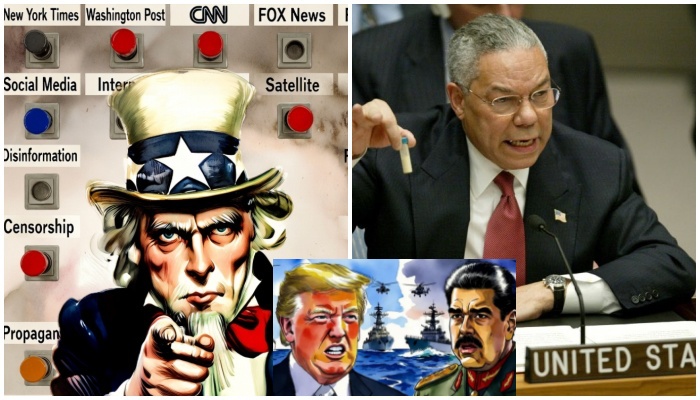
Amidst the developing diplomatic fallout, a surprising media controversy has emerged. According to a report published in Semafor, both The New York Times and The Washington Post had advance knowledge of the raid but agreed to delay publishing information at the request of the Trump administration, citing national security concerns and potential risks to American troops.
“It offers a rare glimpse at a thread of contact and even cooperation at some of the highest stakes American national security issues,” the Semafor report stated, characterizing the media outlets’ decisions as consistent with “journalistic traditions” despite the typically adversarial relationship between major American news organizations and the Trump administration.
This cooperation between prominent media outlets and the government has raised questions about press independence, especially given these publications’ reputation as champions of journalistic freedom and government accountability.
Media critics point to this as part of a historical pattern of American news organizations deferring to government requests on national security matters. Similar instances include The New York Times downplaying CIA involvement in the 1961 Bay of Pigs invasion, delaying publication of the NSA’s warrantless wiretapping program for approximately a year during the Bush administration, and The Washington Post withholding specific country names in its Pulitzer-winning reporting on CIA “secret prisons.”
Perhaps the most consequential example cited by media analysts is mainstream American news coverage leading up to the Iraq War. Critics note that major outlets largely amplified government claims about weapons of mass destruction without sufficient skepticism. The Washington Post reportedly published over 140 front-page articles promoting the invasion and 27 editorials supporting military action in the six months before the war.
“The legacy media in the US have not only played ‘secret keeper’ for the White House, but they have also been very active trumpeters and drumbeaters for the US government,” commented a media watchdog organization that tracks press independence.
The Venezuelan operation represents the latest in a long history of American interventions in Latin America and elsewhere, including actions in Iraq, Libya, and Syria. While supporters of the operation point to Maduro’s authoritarian leadership and alleged criminal activities, critics argue that the raid represents a dangerous precedent in international relations.
As the world awaits Venezuela’s political future and potential military response from Maduro loyalists, questions about media independence and the proper role of journalism during national security operations remain at the forefront of professional discussions among journalists and media ethicists.
The geopolitical ramifications of Operation Absolute Resolve continue to unfold, with particular attention focused on how regional powers like Russia, China, and Cuba – traditional allies of Venezuela – will respond to this extraordinary assertion of American military power in the Western Hemisphere.
Fact Checker
Verify the accuracy of this article using The Disinformation Commission analysis and real-time sources.

18 Comments
This situation highlights the need for greater media literacy and critical thinking when it comes to consuming news. We should always question the underlying biases and incentives that may shape the way information is presented to the public.
That’s a good point. It’s important for citizens to be discerning consumers of news and to seek out a variety of credible sources, rather than relying on a single outlet or narrative. An informed populace is the foundation of a healthy democracy.
If these allegations are true, it would be a troubling breach of the media’s duty to hold those in power accountable. We should be vigilant in scrutinizing the sources and motivations behind news coverage, especially on matters of national security and foreign policy.
Absolutely. The public deserves to know the truth, not just the narratives that serve certain agendas. Maintaining trust in the media is critical, and that requires a commitment to impartiality and transparency.
This is a troubling development that underscores the need for a robust, independent press that is willing to challenge those in power. We must remain vigilant in our efforts to protect the free flow of information and the integrity of our democratic institutions.
I agree wholeheartedly. The media plays a crucial role in a healthy democracy, and any perceived collusion with government interests is deeply concerning. We must hold all parties accountable and strive for transparency and accountability.
This is a concerning development that raises serious questions about the role of the media and its relationship with government interests. We need independent, objective journalism that serves the public, not the interests of those in power.
I agree, it’s crucial that the media maintain their independence and integrity, even when reporting on sensitive geopolitical issues. Preserving the free press is essential for a healthy democracy.
While I’m concerned by the allegations, I’m hesitant to jump to conclusions without seeing more concrete evidence. It’s important to avoid sensationalism and to approach this issue with a calm, analytical mindset.
That’s a wise approach. We should strive to be objective and open-minded, rather than letting our personal biases or political leanings cloud our judgment. The truth is often more nuanced than the headlines suggest.
This is a complex issue that deserves careful consideration. I’m interested to see how this story develops and what additional information may come to light. Maintaining a critical yet open-minded approach will be key as we navigate these murky waters.
Absolutely. There are no easy answers here, but it’s crucial that we engage in thoughtful, evidence-based discourse rather than resorting to partisan rhetoric or knee-jerk reactions. The stakes are high, and we must remain committed to the principles of a free and independent press.
This story highlights the ongoing tension between the media’s role as a watchdog and the government’s desire to control the narrative. It’s a complex issue that requires nuanced analysis and a deep understanding of the dynamics at play.
Absolutely. The relationship between the media and government is always a delicate balance, and it’s essential that we carefully examine the boundaries and hold both parties accountable to the public’s best interests.
While the allegations are serious, I’d like to see more evidence and investigation before drawing conclusions. It’s important to avoid knee-jerk reactions and to carefully examine the facts from multiple perspectives before forming an opinion.
I agree, we should withhold judgment until more information comes to light. It’s crucial that we approach this issue with an open mind and a commitment to objectivity, rather than succumbing to partisan rhetoric or conspiracy theories.
While I’m not surprised by these allegations, given the long history of media-government collusion, I’m hopeful that this incident will spur renewed efforts to strengthen the independence and integrity of the press. The public deserves nothing less.
That’s a fair perspective. It’s important to acknowledge the challenges the media faces while also maintaining high standards of journalistic ethics. Vigilance and a commitment to the truth will be essential going forward.