


Listen to the article
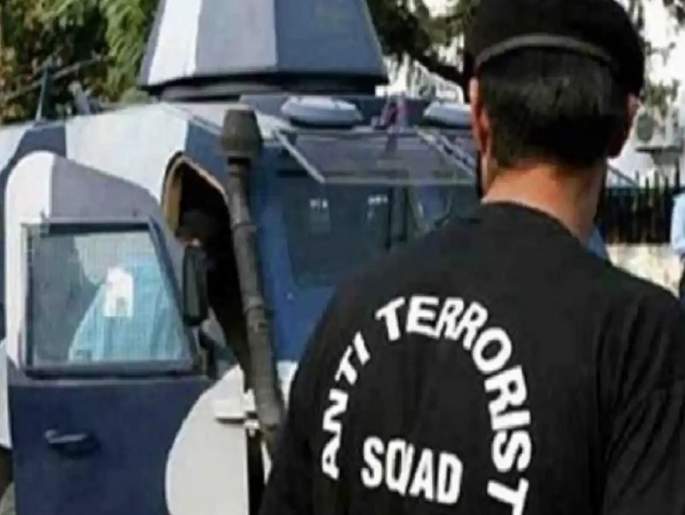
In a major counterterrorism operation, the Maharashtra Anti-Terrorism Squad (ATS) conducted coordinated raids at three locations across Mumbai on Monday, targeting suspected online propaganda activities linked to the Islamic State of Iraq and Syria (ISIS). The extensive operation, which began in the evening and continued late into the night, resulted in the seizure of numerous electronic devices and the questioning of multiple individuals.
Acting on specific intelligence inputs regarding the dissemination of extremist content through digital platforms, ATS teams simultaneously descended upon targeted locations in Kurla and the Shivaji Nagar area of Govandi. According to sources familiar with the operation, authorities had received credible information about individuals allegedly involved in both sharing and consuming radical content online.
“The seized electronic devices, including mobile phones and laptops, have been sent for detailed forensic examination,” said an official who requested anonymity due to the sensitive nature of the investigation. The forensic analysis is expected to provide crucial evidence regarding online activities, communication channels, and potential recruitment efforts by the banned terrorist organization.
This raid highlights the ongoing challenge of combating digital radicalization in India’s financial capital. Mumbai, which suffered one of the country’s worst terrorist attacks in 2008, remains vigilant against potential security threats. The Maharashtra ATS has consistently maintained a proactive stance on security matters, particularly regarding terrorism-related activities.
The ISIS, despite losing its territorial caliphate in Syria and Iraq by 2019, continues to pose a security threat globally through its online propaganda efforts. Security experts note that terrorist organizations have increasingly shifted their recruitment and radicalization efforts to digital platforms, making cyber-monitoring a critical component of counter-terrorism operations.
“Online radicalization presents unique challenges for security agencies worldwide,” explains Dr. Ajai Sahni, Executive Director of the Institute for Conflict Management in New Delhi. “Terror groups like ISIS have sophisticated digital media wings that produce high-quality propaganda materials designed to appeal to vulnerable individuals.”
The Maharashtra ATS operation comes amid increasing concerns about lone-wolf attacks inspired by extremist ideology rather than directed by organized terror networks. This evolution in the nature of terrorist threats has prompted security agencies across India to enhance their digital surveillance capabilities.
While authorities have not yet released an official statement regarding the outcome of the raids, sources indicate that the questioning of individuals is focused on determining the extent of their involvement and identifying possible connections to broader networks. The investigation remains ongoing, with officials carefully examining the digital evidence collected during the operation.
In recent years, the Maharashtra ATS has conducted several similar operations targeting suspected terrorist activities. The agency has developed specialized cyber units to monitor and counter online radicalization attempts, working in coordination with central intelligence agencies.
The Mumbai raids underscore India’s continued vulnerability to terrorist threats and highlight the evolving nature of extremist recruitment in the digital age. Security analysts suggest that preventive measures, including community engagement and counter-narrative initiatives, remain essential complementary strategies to law enforcement actions in combating radicalization.
As the investigation progresses, authorities are expected to provide more details about the raids and any subsequent legal actions against those found involved in propagating terrorist content. The ATS has maintained that it takes all intelligence inputs seriously and acts promptly to prevent potential security threats.
Fact Checker
Verify the accuracy of this article using The Disinformation Commission analysis and real-time sources.

8 Comments
The raids on suspected ISIS propaganda hubs in Mumbai underscore the persistent threat of online radicalization. Thorough forensic examination of seized devices will be crucial to uncover the full extent of these activities and potential links.
It’s concerning to see suspected ISIS-linked online propaganda operations even in a major Indian city like Mumbai. The Maharashtra ATS’s decisive response is reassuring, and the forensic analysis will be pivotal in understanding the scale of the problem.
The coordinated raids across multiple sites in Mumbai highlight the evolving threat of online radicalization. Rigorous investigation and seizure of digital devices are important steps to gather evidence and disrupt these operations.
It’s good the Maharashtra ATS is proactively monitoring online activity and acting on credible intelligence. Tackling the spread of extremist content is crucial for public safety. Curious to see what the forensic analysis uncovers.
This is a concerning development, but I’m glad the authorities are taking decisive action. Monitoring online extremist propaganda and quickly responding is critical to prevent the spread of such dangerous ideologies.
Agreed, proactive measures to identify and disrupt these networks are essential. Curious to see if the forensic analysis reveals any broader links or coordination.
Concerning to hear about this suspected ISIS propaganda activity. Glad the authorities are taking it seriously and conducting thorough investigations. Hopefully they can identify and disrupt any extremist networks operating online.
Timely and targeted action by the Maharashtra ATS is commendable. Combating the online dissemination of extremist content is a challenging but vital task for law enforcement. Hopefully this operation helps to shut down these suspected propaganda activities.