


Listen to the article
Iran’s Controversial Lego Propaganda Videos Present Major Brand Challenge
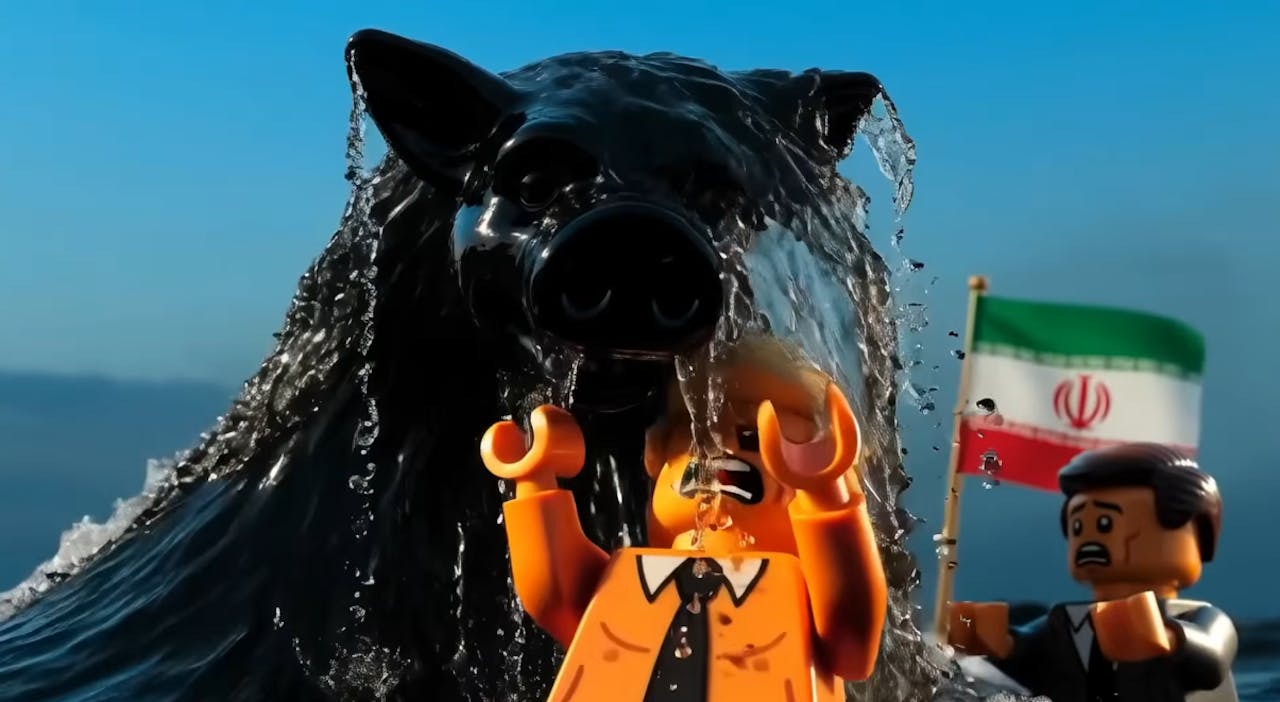
Iranian propaganda videos featuring Lego figures have gained significant traction on social media platforms, creating a complex public relations challenge for the Danish toy manufacturer. The videos, which depict political messages related to Middle East conflicts using Lego minifigures, have gone viral on platforms like TikTok and Instagram despite efforts to remove the content.
The sophisticated Iranian campaign has demonstrated remarkable resilience, with new uploads quickly replacing deleted content in what crisis communications expert Andy Barr describes as “a Lego propaganda hydra.” The videos have now caught the attention of mainstream media outlets including the BBC, Wired, and the New York Post, further amplifying their reach.
According to Barr’s informal polling across his social media accounts, approximately 35% of respondents have already encountered these propaganda videos. This awareness skews higher among younger audiences on TikTok compared to Instagram’s slightly older user base. “Either way, 35% is a significant enough number for it to trip all the red flag warning systems that Lego’s brand monitoring team will have in place,” Barr notes.
Google Trends data reveals a striking 82% spike in searches for the Lego brand in March 2026, when these propaganda videos gained substantial momentum, compared to the same period in previous years. This unusual search pattern indicates the growing public association between Lego and the controversial content.
The situation presents Lego with difficult strategic choices. Traditional crisis management might suggest either remaining silent or issuing a firm statement distancing the company from the propaganda. However, Barr’s analysis suggests Lego has opted for a third approach: flooding the internet with positive brand content.
Evidence for this strategy appears in several metrics. The company’s press release output has nearly doubled in early 2026 compared to previous years, with 31 releases already issued in the first four months. More tellingly, Lego’s production of short-form video content saw a significant increase precisely when the propaganda videos gained traction, jumping from an average of 44 “Shorts” in previous months to 53 in March 2026.
Barr further suggests that Lego has likely increased its paid promotion of video content during this period. Using view counts as a rough indicator, he estimates the company went from financially amplifying one in six videos to approximately four in six during the height of the crisis.
“If so, and I have strong reason to suspect so, in my opinion, Lego is doing the right thing with this approach,” Barr writes. “To issue any formal statement would not fit with the carefully cultivated brand ethos.”
The strategy appears to be working for now, as propaganda content hasn’t significantly infiltrated mainstream brand searches for Lego. However, the long-term effectiveness of this approach remains uncertain as the Iranian content continues to spread.
Behind the scenes, Lego is likely working with platform operators and possibly government entities to accelerate the removal of the offending content. The situation represents an unprecedented challenge for the toy manufacturer, which has built its brand around creative play and positive messaging.
The case highlights the increasing vulnerability of well-known brands to political exploitation in the digital age. As state actors become more sophisticated in their use of recognizable cultural symbols for propaganda purposes, companies face difficult decisions about how to protect their brand identity without inadvertently amplifying problematic content.
“In years to come, how Lego has dealt with this situation will become a topic for university lecturers and crisis communication media training professionals to debate,” Barr concludes, adding that he believes the company is handling an extraordinarily difficult situation “very admirably.”
Fact Checker
Verify the accuracy of this article using The Disinformation Commission analysis and real-time sources.

6 Comments
Interesting challenge for Lego. These propaganda videos sound quite sophisticated and resilient, spreading quickly across social media. I wonder how Lego will respond to counter the Iranian campaign and protect their brand image.
Wow, 35% brand awareness for these Lego propaganda videos is quite high. It shows how effectively they are spreading, especially among younger audiences on platforms like TikTok. Lego will need a smart, multi-faceted strategy to address this complex issue.
Agreed. Lego will likely need to be proactive and creative in their response, leveraging their own social media presence and partnerships to counter the Iranian videos.
Kudos to the Iranian propaganda team for their creativity and persistence in using Lego to convey their political messages. However, I hope Lego is able to find an effective way to counter this campaign and uphold the integrity of their brand.
This Iranian Lego propaganda campaign is a fascinating case study in the power of social media to rapidly spread disinformation. Lego has a tough road ahead in protecting their brand and reputation, but I’m interested to see what strategies they deploy.
I’m curious to see Lego’s approach here. Removing the content is clearly not enough, given how quickly new videos are being uploaded. They may need to consider legal action or working with platforms to find a more lasting solution.