


Listen to the article
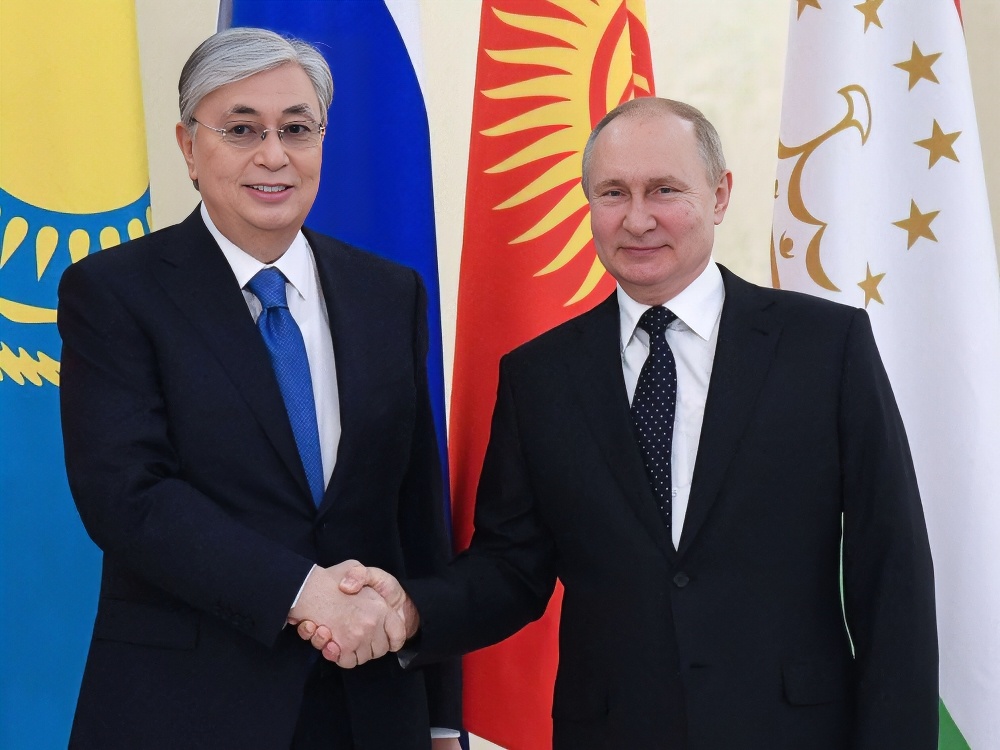
Kazakhstan has officially enacted sweeping anti-LGBTQ+ legislation, mirroring Russia’s contentious 2013 law, after President Kassym-Jomart Tokayev signed the bill into law on December 30. The move has sparked immediate criticism from international human rights organizations concerned about its implications for civil liberties in the Central Asian nation.
The new legislation prohibits the distribution of “information containing propaganda of pedophilia and/or non-traditional sexual orientation” in public spaces and across media platforms. Individuals found violating the law now face potential detention of up to 10 days or fines reaching approximately $500 NZD (144,500 Kazakh Tenge).
The legislative journey began when Kazakhstan’s lower parliamentary house passed the bill in November 2025, followed by Senate approval on December 18, before receiving the presidential signature that enacted it into law.
Prior to the bill’s final passage, a coalition of seven prominent international organizations—including Human Rights Watch, Access Now, and the Helsinki Foundation for Human Rights—issued a joint statement urging Kazakhstan to abandon the legislation. The coalition warned that such a ban would “blatantly violate Kazakhstan’s international human rights commitments,” particularly affecting children’s rights to education, health, and information.
“Discriminatory and rights-violating provisions like those being proposed have no place in any democratic society, which Kazakhstan aspires to be,” the statement emphasized.
The legislation’s language is particularly concerning to activists because it equates “nontraditional sexual relations” with pedophilia, a harmful conflation that has historically been used to stigmatize LGBTQ+ individuals. This framing mirrors tactics used in Russia and other countries to justify similar crackdowns on queer visibility and expression.
Despite decriminalizing homosexuality in 1998, Kazakhstan provides no anti-discrimination protections for LGBTQ+ citizens. The country lacks laws protecting queer individuals from hate crimes, workplace or housing discrimination, and conversion therapy practices. Same-sex marriage remains prohibited, and transgender individuals face restrictive barriers to healthcare, including requirements that they be over 21 and undergo sterilization procedures to access gender-affirming care.
The situation on the ground for LGBTQ+ Kazakhs is already precarious, with many reporting harassment, extortion, and violence—often allegedly perpetrated by law enforcement officials—compounding widespread societal discrimination.
Kazakhstan’s legislation bears striking similarities to Russia’s 2013 “gay propaganda” law, which has had far-reaching consequences in that country. The Russian precedent has led to the jailing of queer bar owners and staff, mass detentions at LGBTQ+ gatherings, and the censorship of educational applications and entertainment platforms containing inclusive content. Even children’s entertainment like My Little Pony has been rated for adult audiences only, while gaming platforms like Roblox have faced bans for content deemed “inappropriate.”
In more extreme cases, the atmosphere created by such legislation in Russia has reportedly contributed to academic expulsions and even deaths in custody of LGBTQ+ individuals. Russia further escalated its stance in 2023 by designating what it called the “international LGBT movement”—not an actual organization—as an extremist entity.
Human rights observers fear Kazakhstan’s adoption of this legislative framework could signal the beginning of a broader regional trend restricting LGBTQ+ rights across Central Asia, where Russia maintains significant political and cultural influence.
The legislation comes at a time when Kazakhstan has been attempting to position itself as a modernizing force in the region with increased Western investment and partnerships, creating tension between its international aspirations and domestic social policies that appear to be moving in a more restrictive direction.
Fact Checker
Verify the accuracy of this article using The Disinformation Commission analysis and real-time sources.

26 Comments
The cost guidance is better than expected. If they deliver, the stock could rerate.
I like the balance sheet here—less leverage than peers.
I like the balance sheet here—less leverage than peers.
Good point. Watching costs and grades closely.
Interesting update on Kazakhstan Passes Controversial Anti-LGBTQ+ Law Despite International Criticism. Curious how the grades will trend next quarter.
Interesting update on Kazakhstan Passes Controversial Anti-LGBTQ+ Law Despite International Criticism. Curious how the grades will trend next quarter.
Good point. Watching costs and grades closely.
Silver leverage is strong here; beta cuts both ways though.
Good point. Watching costs and grades closely.
Silver leverage is strong here; beta cuts both ways though.
Good point. Watching costs and grades closely.
Production mix shifting toward Propaganda might help margins if metals stay firm.
The cost guidance is better than expected. If they deliver, the stock could rerate.
Good point. Watching costs and grades closely.
Good point. Watching costs and grades closely.
Exploration results look promising, but permitting will be the key risk.
If AISC keeps dropping, this becomes investable for me.
Production mix shifting toward Propaganda might help margins if metals stay firm.
Good point. Watching costs and grades closely.
Good point. Watching costs and grades closely.
Interesting update on Kazakhstan Passes Controversial Anti-LGBTQ+ Law Despite International Criticism. Curious how the grades will trend next quarter.
I like the balance sheet here—less leverage than peers.
Good point. Watching costs and grades closely.
Good point. Watching costs and grades closely.
If AISC keeps dropping, this becomes investable for me.
Good point. Watching costs and grades closely.