


Listen to the article
Kazakhstan’s parliament has approved legislation that would ban what lawmakers describe as “LGBT propaganda” in media and online spaces, setting the stage for significant restrictions on content related to sexual orientation and gender identity.
The bill, which passed the lower house with broad support, imposes penalties including fines and up to 10 days in jail for repeat offenders. It follows similar legislative moves in neighboring Russia and other countries like Georgia and Hungary, where conservative governments have enacted comparable restrictions in recent years.
The legislation now advances to Kazakhstan’s senate, where political analysts expect it to pass with minimal opposition before being sent to President Kassym-Jomart Tokayev for final approval.
President Tokayev has increasingly emphasized traditional family values in his public statements, signaling support for the measure. Supporters of the bill argue that it protects children from content they consider harmful to traditional notions of family and morality.
Education Minister Gani Beisembayev defended the legislation during parliamentary debates, expressing concern that young people are regularly exposed to information that could “distort their understanding of family and morality.”
The move represents the latest shift in Kazakhstan’s social policies. While homosexuality has been legal in the Central Asian nation since the 1990s following the dissolution of the Soviet Union, Kazakh society remains largely conservative, particularly regarding LGBTQ+ issues.
International human rights organizations have strongly condemned the legislation. The Brussels-based International Partnership for Human Rights called the law a “blatant breach” of Kazakhstan’s international human rights commitments and obligations.
Human rights defenders argue that the vague wording of the law could lead to widespread censorship and discrimination against LGBTQ+ individuals. The law’s broad scope potentially restricts educational materials, healthcare information, and cultural content related to LGBTQ+ themes.
“This legislation follows a troubling pattern we’re seeing across the region,” said Maria Sartova, a Central Asian human rights researcher who spoke with journalists after the vote. “The language is deliberately ambiguous, which allows authorities to apply it selectively against political opponents, independent media, and vulnerable communities.”
The legislation comes amid a period of political transition in Kazakhstan following widespread protests in 2022 that challenged the established power structure. Some political analysts view the focus on “traditional values” as an attempt to rally conservative support while distracting from economic and political reform demands.
Kazakhstan’s media landscape, already operating under significant restrictions, faces further constraints with this new legislation. Local journalists have expressed concern about self-censorship and the potential criminalization of basic reporting on LGBTQ+ issues.
The economic impact could extend beyond media. Tech companies operating in Kazakhstan may face difficult choices about content moderation and compliance with the new restrictions, potentially affecting digital services available to Kazakh citizens.
Regional experts note that Kazakhstan has traditionally positioned itself as more moderate and internationally oriented than some of its Central Asian neighbors. This legislation signals a potential shift toward more socially conservative policies that align with Russia’s approach.
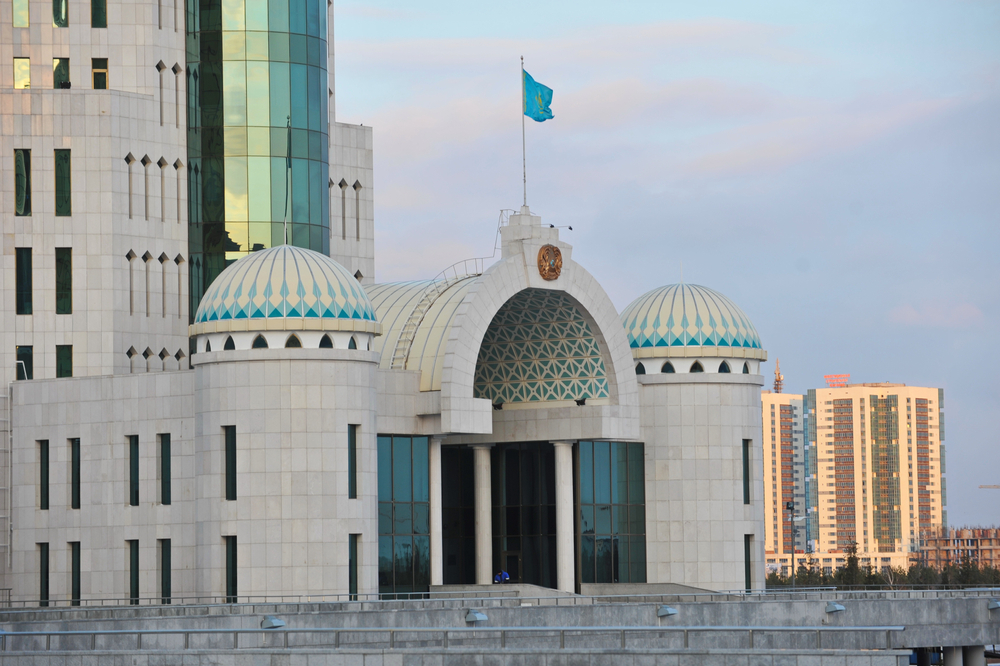
The vote occurred in the parliament building in Nur-Sultan (formerly Astana), the country’s capital city, where lawmakers deliberated over several days before approving the measure by a significant margin.
As the bill moves toward final approval, LGBTQ+ rights advocates in Kazakhstan have expressed concern about increased social hostility and discrimination, with some considering leaving the country if the legislation takes effect as expected.
Fact Checker
Verify the accuracy of this article using The Disinformation Commission analysis and real-time sources.

7 Comments
From a factual standpoint, this legislation appears to be part of a broader trend of conservative governments enacting similar ‘anti-propaganda’ laws, often targeting LGBTQ+ content. The impacts on free speech and civil liberties are concerning.
While I understand the desire to protect children, banning ‘LGBT propaganda’ could have unintended consequences and set a troubling precedent for censorship. I hope policymakers carefully weigh the implications before enacting this law.
This is a complex and sensitive issue. I’m curious to understand the specific rationale and intended outcomes of the proposed legislation. Perhaps there could be a more nuanced approach that respects diversity while addressing legitimate concerns.
It will be important to monitor how this law is implemented and whether it has unintended consequences. Protecting minors is important, but overly broad restrictions can create other problems.
I appreciate the government’s intent to uphold traditional values, but wonder if this ban is the right approach. Restricting access to information doesn’t necessarily change hearts and minds – a more open and thoughtful dialogue may be preferable.
While I understand the desire to protect traditional values, banning ‘LGBT propaganda’ seems like a heavy-handed approach that could infringe on free expression. I hope the legislation is carefully considered to balance societal interests.
These types of bans often end up censoring useful and educational information. I worry they do more harm than good in the long run.