


Listen to the article
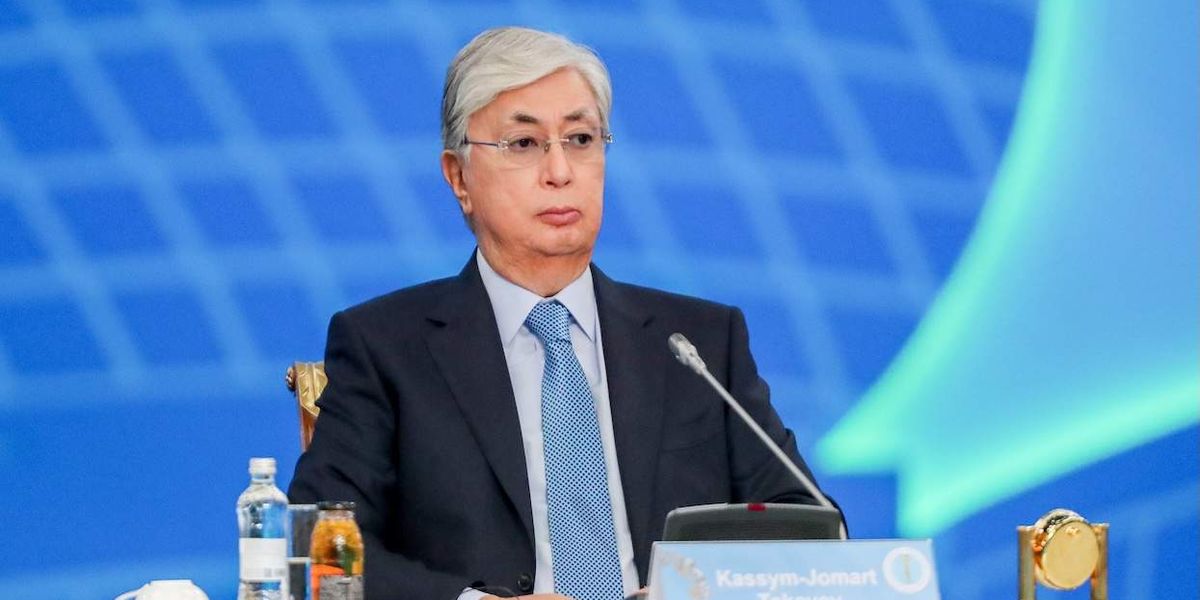
In a significant move mirroring similar legislation in neighboring Russia, Kazakhstan has officially banned what it terms “LGBTQ+ propaganda” after President Kassym-Jomart Tokayev signed the controversial bill into law on Tuesday. The new law also prohibits “pedophilia propaganda” according to the Anadolu Agency, with violations carrying penalties including fines of approximately $280 and detention for up to 10 days.
The legislation follows a citizen-led petition submitted roughly 18 months ago calling for government action against pro-LGBTQ+ content. After passing the lower chamber of Parliament (Majilis) in November, the Senate approved the bill on December 18, completing its journey through Kazakhstan’s legislative process.
During the Senate deliberations, Senator Ruslan Rustemov framed the legislation as prohibiting “the use of media, literature, entertainment, and other events that promote nontraditional sexual relations and pedophilia,” according to Kazakh news outlet Vlast.kz. Rustemov justified the measure by citing international precedents, claiming that “many countries around the world have adopted legislation that ensures the protection of national values and traditions, including those that provide for the protection of the institution of the traditional family.”
Vice Minister of Justice Botagoz Zhakselekova attempted to draw a distinction in the law’s application, stating that while LGBTQ+ identity itself would not be criminalized, “public promotion of LGBT rights” would be prohibited. This distinction has drawn criticism from observers who question how such restrictions align with constitutional protections for freedom of expression and association in Kazakhstan.
The passage of the law has sparked significant concern among international human rights organizations. Prior to its enactment, a coalition of prominent groups including Human Rights Watch, Access Now, Civil Rights Defenders, and several Helsinki Committees issued a joint statement condemning the legislation. They argued that the law “would violate fundamental human rights and increase the vulnerability of lesbian, gay, bisexual, trans, intersex, and other queer people in Kazakhstan.”
The coalition further emphasized that such prohibitions violate Kazakhstan’s international human rights commitments, particularly regarding children’s rights to education, health, and information. “Discriminatory and rights-violating provisions like those being proposed have no place in any democratic society, which Kazakhstan aspires to be,” the statement noted.
Critics also point to a troubling pattern of government interference with journalism in Kazakhstan, including office searches and detentions of reporters. Human Rights Watch, along with eight other organizations, warned in December that the anti-LGBTQ+ propaganda law would exacerbate these issues, posing “a direct threat not only to people identifying as LGBTI, but also to journalists, academics, artists, human rights defenders, and civil society actors” who report on or advocate for LGBTQ+ rights.
The organizations stressed that the legislation contradicts Kazakhstan’s own constitutional guarantees of free expression as well as directives from international bodies such as the United Nations.
Kazakhstan’s move represents part of a growing trend of anti-LGBTQ+ legislation across the former Soviet region, most notably in Russia, which has progressively tightened such restrictions since initially passing similar legislation in 2013. The implementation of this law places Kazakhstan among a number of countries that have recently enacted restrictions on LGBTQ+ expression and advocacy under the guise of protecting traditional values and children.
The broader impact on Kazakhstan’s civil society, particularly those working on human rights issues, remains a significant concern as implementation of the new law begins.
Fact Checker
Verify the accuracy of this article using The Disinformation Commission analysis and real-time sources.

10 Comments
This news out of Kazakhstan is disappointing. While countries have a right to uphold cultural norms, banning ‘LGBTQ+ propaganda’ seems like an extreme measure that could violate human rights. I hope the government reconsiders this law.
The Kazakhstan ban on LGBTQ+ content is concerning. While nations can preserve traditional values, this appears to go too far in restricting free expression and potentially marginalizing minority groups. I hope this law is reviewed and amended.
Absolutely, these types of laws often do more harm than good. Protecting diversity and upholding fundamental freedoms should be the priority, not censorship.
The Kazakhstan ban on LGBTQ+ content is troubling. While cultural preservation is important, this appears to be an overreach that could marginalize minority groups and set a dangerous precedent. I hope the government reconsiders this legislation.
I agree, these types of laws often do more harm than good in the long run. Upholding fundamental freedoms should be the priority, even on sensitive social issues.
This new law in Kazakhstan raises serious human rights concerns. Banning ‘LGBTQ+ propaganda’ is a heavy-handed tactic that could infringe on free speech and expression. I hope the government takes a more balanced approach that respects all citizens.
Banning ‘LGBTQ+ propaganda’ is a concerning overreach by the Kazakh government. Restricting free speech and expression, even on sensitive social issues, sets a dangerous precedent. I hope this legislation is challenged and reconsidered.
Agreed, these types of laws often do more harm than good. They can embolden intolerance and discrimination rather than protect traditional values as intended.
This legislation seems troubling – it could stifle free expression and marginalize LGBTQ+ individuals. While countries have the right to protect traditional values, these bans often go too far and infringe on basic human rights.
I agree, such laws are a concerning trend that undermines fundamental freedoms. However, it’s a complex issue with valid concerns on both sides that deserve thoughtful consideration.