


Listen to the article
Kazakhstan’s President Signs Law Banning LGBT Content Amid Mixed Reactions
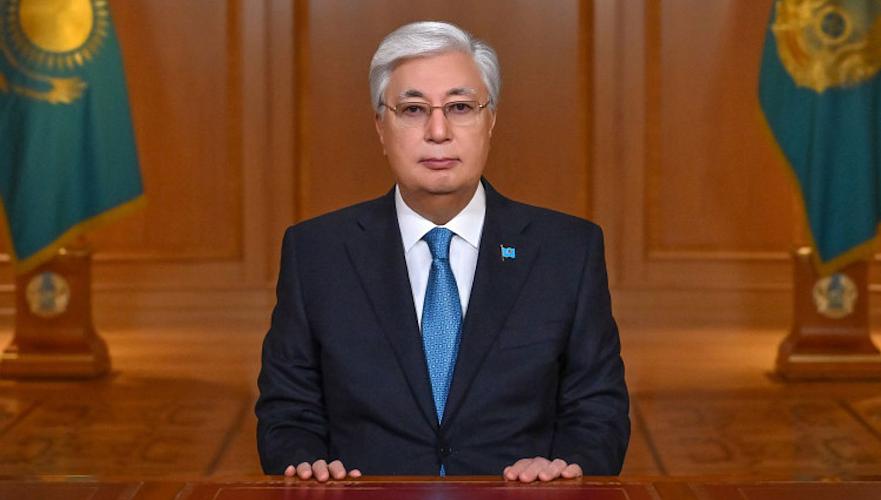
Kazakhstan’s President Kassym-Jomart Tokayev has signed controversial legislation that prohibits the distribution of content related to LGBT themes, according to an announcement from the presidential office Akorda on Sunday.
The new law, officially titled “On amendments and additions to certain legislative acts of the Republic of Kazakhstan on archival affairs and restriction of the distribution of unlawful content,” was approved by Tokayev following its passage through the country’s parliament earlier this month.
The legislation represents a significant shift in Kazakhstan’s approach to LGBT issues, bringing the Central Asian nation more in line with neighboring Russia, which enacted similar restrictions in 2013 before expanding them last year.
While the full text of the law has not yet been published, previous drafts indicated that it would ban materials depicting non-traditional sexual relationships or gender identities. The legislation is expected to impact media outlets, online content, advertising, and public events.
The move comes amid growing conservatism in Kazakhstan, a predominantly Muslim country of 20 million people that has traditionally maintained a more secular stance than some of its Central Asian neighbors. Since gaining independence from the Soviet Union in 1991, Kazakhstan has attempted to balance relationships with Russia, China, and Western nations while navigating complex social issues.
Human rights organizations have expressed serious concern about the legislation. Jennifer Croft, Amnesty International’s Deputy Regional Director for Eastern Europe and Central Asia, had previously called the bill “a discriminatory piece of legislation that violates Kazakhstan’s international human rights obligations.”
The law has also raised eyebrows among Kazakhstan’s Western partners, including the European Union and United States, who have warned that such restrictions could damage the country’s international standing and contradict its commitments to human rights treaties.
Economic implications may follow as well. Kazakhstan, with Central Asia’s largest economy and significant oil and mineral resources, has worked to attract foreign investment and strengthen ties with Western corporations. Critics suggest that legislation seen as discriminatory could complicate these efforts at a time when the country is working to diversify its economy beyond resource extraction.
Supporters of the law, including conservative and religious groups within Kazakhstan, have framed it as protecting traditional family values and safeguarding children from what they describe as harmful influences.
The passage of this legislation follows a trend of similar laws in the post-Soviet space. Russia’s 2013 “gay propaganda” law, which was expanded in 2022 to cover all ages, appears to have served as a template. Several other former Soviet republics have either passed or considered similar restrictions in recent years.
Since taking office in 2019, President Tokayev has implemented various political reforms while maintaining tight control over opposition and civil liberties. This law represents one of the more significant social policy changes under his leadership.
The timing of the signing – on the last day of the year – has not gone unnoticed by political analysts, who suggest it may have been chosen to minimize immediate public discussion and international backlash.
As Kazakhstan enters 2024, the implementation and enforcement of this new law will be closely watched by domestic and international observers. Questions remain about how broadly it will be interpreted and what impact it will have on Kazakhstan’s LGBT community, media freedom, and civil society more broadly.
The full details of the legislation are expected to be published in official government sources in the coming days.
Fact Checker
Verify the accuracy of this article using The Disinformation Commission analysis and real-time sources.

5 Comments
This is a concerning development that seems to restrict free expression and marginalize LGBTQ+ individuals. I hope the enforcement of this law is not overly broad or heavy-handed, and that Kazakhstan can find ways to balance traditional values with protecting human rights.
This move by the Kazakh government is disappointing and likely to face significant international scrutiny. I hope they reconsider this policy and work to uphold the fundamental human rights of LGBTQ+ people within their borders.
While I respect Kazakhstan’s right to set its own social policies, this law seems overly broad and potentially discriminatory. I would encourage the government to engage with LGBTQ+ community leaders to find a more balanced approach that protects vulnerable groups.
As an investor, I’m concerned that this type of restrictive legislation could negatively impact Kazakhstan’s international reputation and business climate. Governments should focus on fostering an environment that respects diversity and protects the rights of all citizens.
I’m surprised to see Kazakhstan taking this hardline stance on LGBTQ+ issues, especially given the country’s relatively progressive reputation in the past. This appears to be a troubling step backward for civil liberties and social inclusion.