


Listen to the article
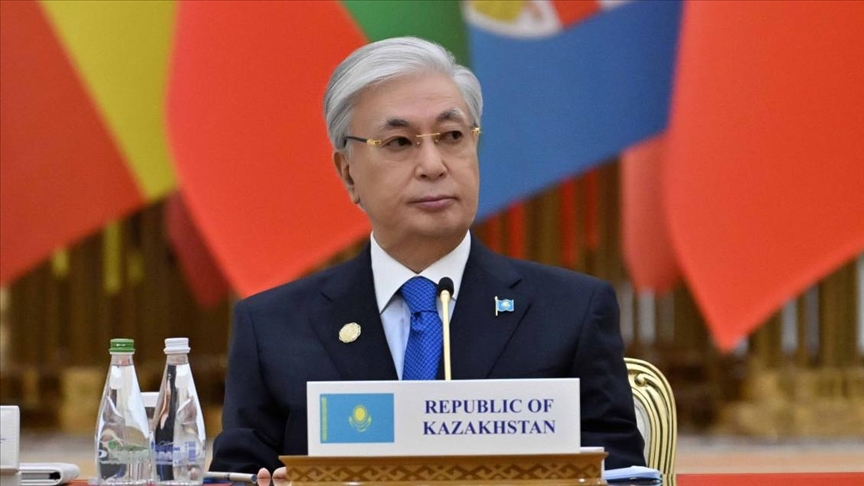
Kazakhstan’s President Kassym-Jomart Tokayev has signed into law controversial legislation that bans the promotion of LGBT content alongside materials related to pedophilia, marking a significant policy shift in the Central Asian nation.
The new law, which received final approval from the Kazakh Senate last month, prohibits the dissemination of information that “promotes non-traditional sexual orientation” or could “harm the health and development of minors.” It also specifically targets content that promotes pedophilia or violence.
Under the legislation, materials depicting or promoting LGBT relationships are now classified in the same category as content related to pedophilia, a move that has drawn sharp criticism from human rights organizations both within Kazakhstan and internationally.
The law will directly impact media outlets, publishers, and digital platforms operating in Kazakhstan, who must now carefully monitor content to avoid potential violations. Penalties for breaking the law include fines and possible suspension of operations for repeat offenders.
Government officials who supported the legislation argued it was necessary to protect traditional family values and shield children from harmful influences. Proponents claim the law addresses growing public concern about content accessible to minors through social media and entertainment channels.
“This legislation aims to protect our younger generation and uphold the cultural values that have been foundational to our society,” said one parliamentary supporter during debates preceding the vote.
The move aligns Kazakhstan with neighboring Russia, which implemented similar legislation in 2013 and has since expanded its scope. Several other former Soviet republics have also introduced comparable restrictions in recent years, signaling a regional trend toward more conservative social policies.
Human rights advocates have expressed alarm over the law, noting that equating LGBT content with pedophilia stigmatizes sexual minorities and potentially encourages discrimination. Several international organizations have warned the legislation could violate Kazakhstan’s commitments to international human rights standards.
“By conflating LGBT identities with criminal behavior like pedophilia, this law not only perpetuates dangerous stereotypes but also threatens freedom of expression and the rights of an already marginalized community,” said a spokesperson for a prominent international human rights monitoring organization.
The legislation comes amid growing concerns about shrinking civic space in Kazakhstan, despite President Tokayev’s previous pledges to implement democratic reforms following his rise to power in 2019 and subsequent constitutional reforms.
Kazakhstan, Central Asia’s largest economy with substantial oil and mineral resources, has traditionally positioned itself as more moderate and internationally oriented than some of its regional neighbors. The country maintains important economic and diplomatic ties with Russia, China, and Western nations, making its policy shifts closely watched by international observers.
Business analysts suggest the new restrictions could complicate operations for international media companies and tech platforms in the Kazakh market of nearly 20 million people. Content providers may need to create region-specific versions of their products or risk running afoul of the new regulations.
The law is expected to take effect immediately, though specific implementation guidelines and enforcement mechanisms remain to be clarified by relevant government agencies. Legal experts anticipate a period of adjustment as authorities develop more detailed regulatory frameworks.
Public reaction within Kazakhstan has been mixed. Conservative and religious groups have celebrated the measure, while LGBT advocacy organizations and liberal voices have expressed concern about the potential for increased discrimination and the impact on freedom of expression.
As Kazakhstan navigates this controversial policy shift, observers note it reflects broader tensions between traditional values and modernization that many post-Soviet states continue to grapple with three decades after independence.
Fact Checker
Verify the accuracy of this article using The Disinformation Commission analysis and real-time sources.

12 Comments
While I understand the desire to protect traditional family values, this law appears to be a misguided attempt that could have severe consequences for the LGBTQ+ community and freedom of expression in Kazakhstan.
Agreed, equating LGBT content with pedophilia is highly concerning and reflects a troubling lack of understanding about LGBTQ+ identities and relationships.
Restricting access to information and portraying the LGBTQ+ community in the same light as pedophilia is highly concerning. This law risks perpetuating harmful stereotypes and violating the human rights of Kazakhstan’s LGBTQ+ citizens.
Agreed, this law is a troubling development that could have serious consequences for freedom of expression and the rights of LGBTQ+ individuals in Kazakhstan.
While I understand the government’s intent to protect traditional values, this law appears to be a misguided and harmful attempt that could seriously infringe on fundamental freedoms and human rights in Kazakhstan.
You make a fair point. This legislation raises significant concerns about the government’s commitment to upholding the human rights and dignity of all its citizens, regardless of sexual orientation or gender identity.
This legislation seems concerning, as it conflates LGBT content with pedophilia propaganda. Restricting free expression is a worrying trend that can have serious consequences for human rights and civil liberties.
I agree, this law appears to unfairly target the LGBTQ+ community and raises serious questions about the government’s motivations and commitment to protecting vulnerable groups.
This law is deeply troubling and seems to violate fundamental human rights. Censoring information and expression related to sexual orientation or gender identity is a dangerous path that can lead to further marginalization and harm.
You make a good point. This legislation appears to be a worrying step towards state-sanctioned discrimination and intolerance in Kazakhstan.
Classifying LGBT-related content in the same category as pedophilia is highly problematic and likely to further marginalize and stigmatize the LGBTQ+ population in Kazakhstan. This law seems to contradict principles of equality and non-discrimination.
You’re right, this law is a concerning step backwards for human rights in Kazakhstan. I hope the international community closely monitors the implementation and impact of this legislation.