


Listen to the article
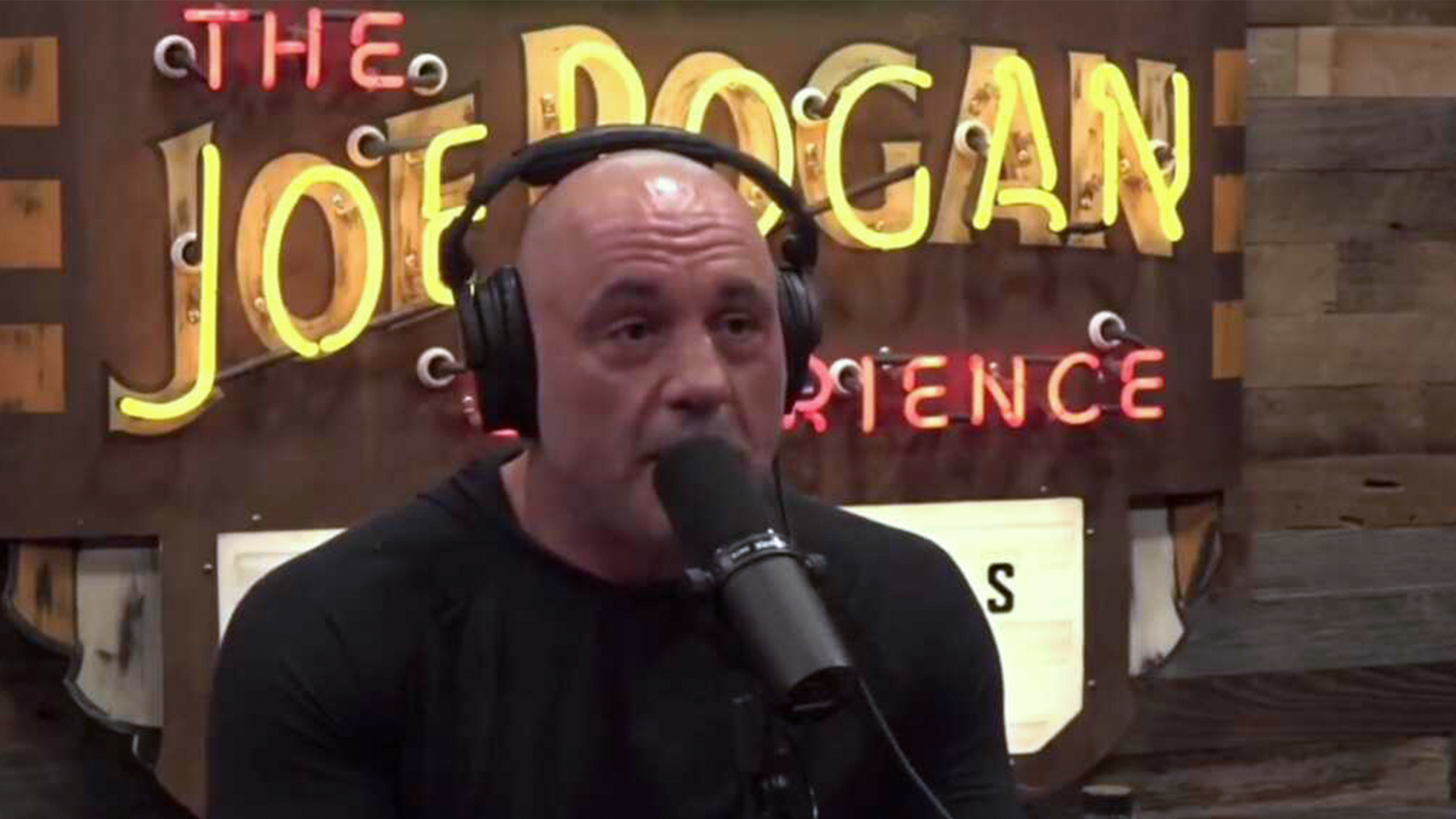
In a scathing critique that has drawn significant attention, popular podcaster Joe Rogan condemned the BBC’s leadership for deliberately manipulating a video of former President Donald Trump’s January 6, 2021 speech, calling it evidence of “systemic rot” in mainstream media.
The controversy erupted after the BBC issued an apology for what it termed an “error of judgment” in editing Trump’s comments to suggest he had incited violence when the full context of his remarks indicated otherwise. The fallout from this editorial decision was swift and consequential, with both the head of the BBC and the organization’s top news executive submitting their resignations following the leak of an internal memo revealing the intentional nature of the misleading edit.
“This is not journalism, but, like, full-on lying and propaganda,” Rogan stated during a recent podcast episode. His criticism centered not just on this specific incident but on what he sees as a troubling pattern in media coverage from organizations traditionally considered trustworthy sources of information.
The podcaster, whose show “The Joe Rogan Experience” reaches millions of listeners globally, expressed particular concern about the implications of such editorial manipulation coming from the BBC, an institution long regarded as a standard-bearer for journalistic integrity.
“This is just my opinion, seems like these people felt justified for completely lying because it would lead to an ‘ultimate good.’ So they lost all journalistic integrity, and it is the BBC which is like the height of journalistic integrity,” Rogan observed. “If that doesn’t show the rot of mainstream, corporate-controlled media, then nothing does. Because that’s pure rot.”
Media ethics experts have noted that this incident occurs at a particularly sensitive time, with public trust in news organizations already at historic lows in many Western democracies. According to recent Pew Research data, fewer than half of Americans say they have “a great deal” or “fair amount” of trust in national news organizations, representing a sharp decline over the past decade.
Rogan highlighted the particular danger of misinformation coming from established sources, noting, “It’s a very official source, so, I’m thinking this must be real. And they turned it into activism, and they turned it into lying.”
The BBC scandal has reignited debates about media objectivity and the line between reporting and advocacy. Critics argue that increasing polarization in media coverage reflects broader political divisions, while defenders of traditional journalism maintain that isolated incidents should not undermine faith in the institution as a whole.
This controversy comes amid broader scrutiny of how former President Trump’s statements and actions are portrayed in media coverage, particularly related to the events surrounding January 6, 2021. Trump’s supporters have frequently accused mainstream media outlets of unfair coverage, while critics maintain that accurate reporting on controversial statements shouldn’t be conflated with bias.
The BBC case is particularly noteworthy as the organization has historically been viewed as more removed from America’s partisan media landscape. Founded in 1922, the British Broadcasting Corporation operates under a Royal Charter and receives much of its funding through license fees paid by British households, a structure designed to insulate it from both commercial and governmental pressures.
Media watchdog organizations have emphasized that transparency and accountability are essential to rebuilding public trust when errors occur. The BBC’s rapid acknowledgment of the issue and the subsequent resignations represent an attempt to address the breach of trust, though the incident’s damage to the organization’s credibility may prove lasting.
As media consumption patterns continue to evolve, with many audiences turning away from traditional news sources toward podcasts, social media, and alternative platforms, incidents like this one underscore the challenges facing established media institutions seeking to maintain relevance and credibility in an increasingly fractured information landscape.
Fact Checker
Verify the accuracy of this article using The Disinformation Commission analysis and real-time sources.

13 Comments
This is a concerning development if true. Mainstream media should strive for objectivity and accuracy, not political bias. Rogan raises a valid point about the need for journalistic integrity.
Agree, the BBC’s alleged actions are troubling and undermine public trust in media. Transparency and accountability are crucial for a healthy democracy.
While I respect Rogan’s platform, I would encourage looking at multiple sources and perspectives before forming an opinion on this matter. Allegations of media bias require careful investigation.
That’s a fair point. It’s important to avoid knee-jerk reactions and to seek out credible, fact-based reporting from a range of sources on this topic.
As a fan of Rogan’s podcast, I appreciate his willingness to call out perceived problems in the media. However, I would encourage him and his listeners to approach this issue objectively and avoid hasty judgments.
As a consumer of news, I’m troubled by allegations of deliberate media bias. If confirmed, the BBC’s actions are a serious breach of journalistic ethics that warrants investigation.
Absolutely. Rogan is right to call out this kind of behavior, as it erodes the public’s ability to make informed decisions. The media must be held to high standards.
I’m not surprised by Rogan’s criticism, as concerns about media bias are widespread. However, it’s crucial that we verify the facts before drawing conclusions about the BBC’s actions.
Absolutely. Maintaining a critical eye and seeking out reliable sources is key when evaluating claims of media misconduct. The public deserves the truth, not partisan spin.
Rogan raises some valid points, but I would caution against overgeneralizing about the entire media landscape based on one incident. Rigorous, fact-based journalism remains essential for a healthy democracy.
I’m curious to learn more about the specific context and circumstances around the BBC’s editing of the Trump speech. Objective reporting is essential, regardless of political leanings.
Agreed. It’s important to understand the full story before drawing conclusions. Transparency from the BBC on their editorial process would help shed light on this issue.
This situation highlights the ongoing challenges of maintaining journalistic integrity in a polarized media landscape. Responsible reporting is essential for a well-informed public.