


Listen to the article
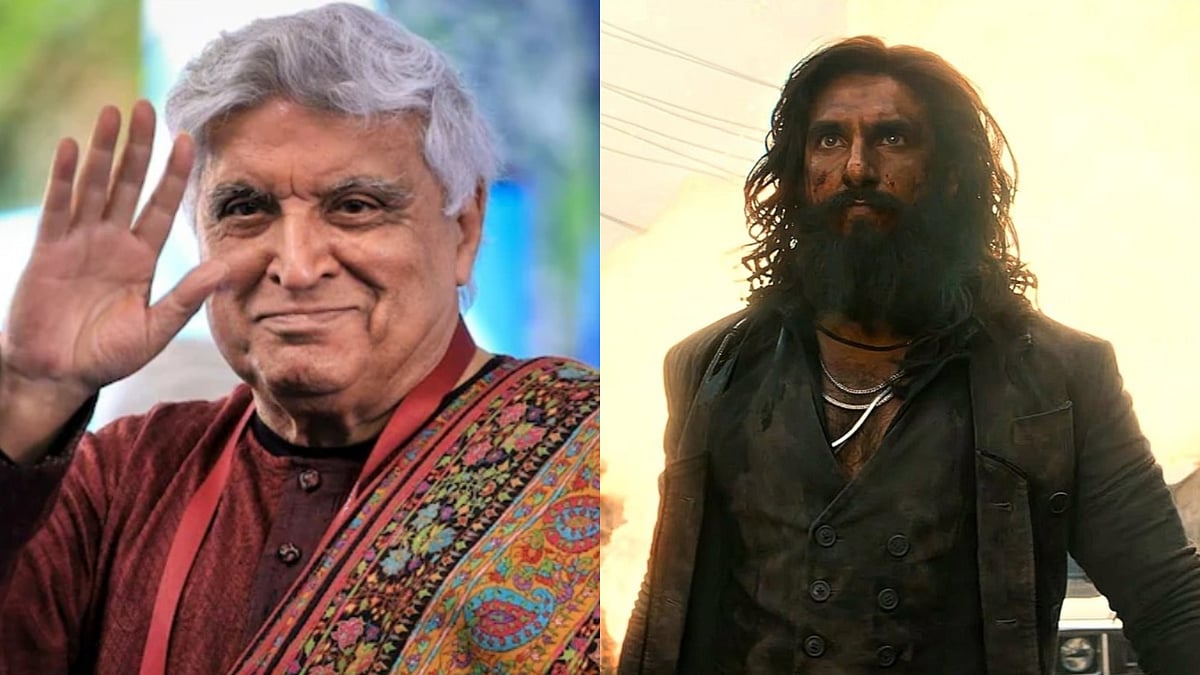
In a spirited defense of filmmaking’s ideological nature, veteran screenwriter Javed Akhtar addressed criticisms regarding propaganda in cinema, arguing that every narrative inherently carries some perspective or stance.
“Every story takes some stand, but does it become propaganda because the narrative isn’t suited to a section of the audience? Everyone has the right to propagate his ideas. What is wrong with propaganda films? The task of every filmmaker is to present the truth,” Akhtar stated during a recent industry forum.
The acclaimed writer, whose career spans over five decades in Indian cinema, elaborated on the inescapable relationship between storytelling and ideology. “Even if the narrative of a movie is built on a fairy tale, that will have an ideology in a way,” he explained, suggesting that even the most fantastical tales reflect certain values and worldviews.
Akhtar further noted that moral messaging is fundamental to filmmaking, though it might be categorized or labeled differently depending on the viewer’s perspective or the cultural context in which the film is received.
When asked if he would revisit writing “Deewaar,” the landmark 1975 film that he co-wrote with Salim Khan as part of the famous Salim-Javed duo, Akhtar declined. The film, starring Amitabh Bachchan and Shashi Kapoor, is considered a classic of Indian cinema and explored themes of poverty, corruption, and moral choices.
“Films are like mirrors. With the passage of time, morality changes, and aspirations change. As the society changes, content changes,” Akhtar observed, acknowledging cinema’s evolving relationship with societal values. His comments highlight the temporal nature of filmmaking, where stories reflect the era in which they are created.
This discussion about cinema and propaganda comes at a time when Indian films are increasingly scrutinized for their political leanings. The industry has seen a surge in nationalist-themed content in recent years, sparking debates about the line between patriotism and propaganda in mainstream entertainment.
The conversation also touched upon director Aditya Dhar’s “Dhurandhar” series, which reportedly earned over Rs 3,000 crore at the box office but faced criticism for allegedly promoting pro-establishment narratives. This commercial success despite critical concerns exemplifies the complex relationship between box office performance and ideological content in contemporary Indian cinema.
Akhtar, who has been vocal about various social and political issues throughout his career, expressed his ultimate creative ambition: to craft a mainstream film that would appeal to both elite and mass audiences. This aspiration reflects the ongoing challenge filmmakers face in balancing artistic merit with commercial viability in India’s diverse and rapidly changing media landscape.
The veteran writer’s comments come amidst a broader global conversation about media influence and the responsibilities of content creators. As streaming platforms expand access to diverse content and social media amplifies discussions about representation and messaging in entertainment, the debate around propaganda in cinema has taken on renewed significance.
Akhtar’s perspective offers valuable insight from one of Indian cinema’s most respected voices, highlighting the inherent subjectivity in labeling content as propaganda while acknowledging the ethical dimensions of storytelling. His remarks suggest that rather than avoiding ideological content, the focus should perhaps be on transparency and truthfulness in narrative approaches.
Fact Checker
Verify the accuracy of this article using The Disinformation Commission analysis and real-time sources.

8 Comments
Akhtar’s comments on the moral messaging in even fantastical films are thought-provoking. It’s true that all narratives carry some inherent values and worldviews. The challenge is ensuring that these aren’t reduced to heavy-handed propaganda, but rather nuanced, balanced storytelling.
Akhtar raises some valid points about the inextricable link between storytelling and ideology. However, I’m skeptical of the notion that all propaganda films are inherently justified as long as they present “the truth” from the filmmaker’s perspective. There needs to be more accountability and nuance.
I agree. While artistic expression should be protected, filmmakers also have a responsibility to avoid blatant propaganda that manipulates or indoctrinates audiences. The line between ideology and propaganda is blurry, but merits deeper examination.
Akhtar’s argument that “every story takes some stand” is thought-provoking. While I agree that all narratives have an inherent ideology, the concern is when that becomes overt, agenda-driven propaganda, as opposed to nuanced, organic storytelling.
I’m curious to hear more about Akhtar’s perspective on the line between ideology and propaganda in filmmaking. It’s a complex issue without easy answers, but an important discussion to have as we examine the role of media and its influence on society.
I appreciate Akhtar acknowledging the moral messaging that is fundamental to filmmaking. Even fantastical tales reflect certain values and worldviews. The challenge is ensuring that messaging is nuanced and not heavy-handed propaganda.
You raise a fair point. Propaganda films can be a slippery slope, blurring the line between artistic expression and ideological indoctrination. Filmmakers must be mindful of this and strive for balanced, thought-provoking narratives.
Interesting perspective from Javed Akhtar on the inherent ideological nature of storytelling in cinema. While all narratives carry some stance, the question is whether that crosses the line into overt propaganda. There’s a delicate balance filmmakers must navigate.