


Listen to the article
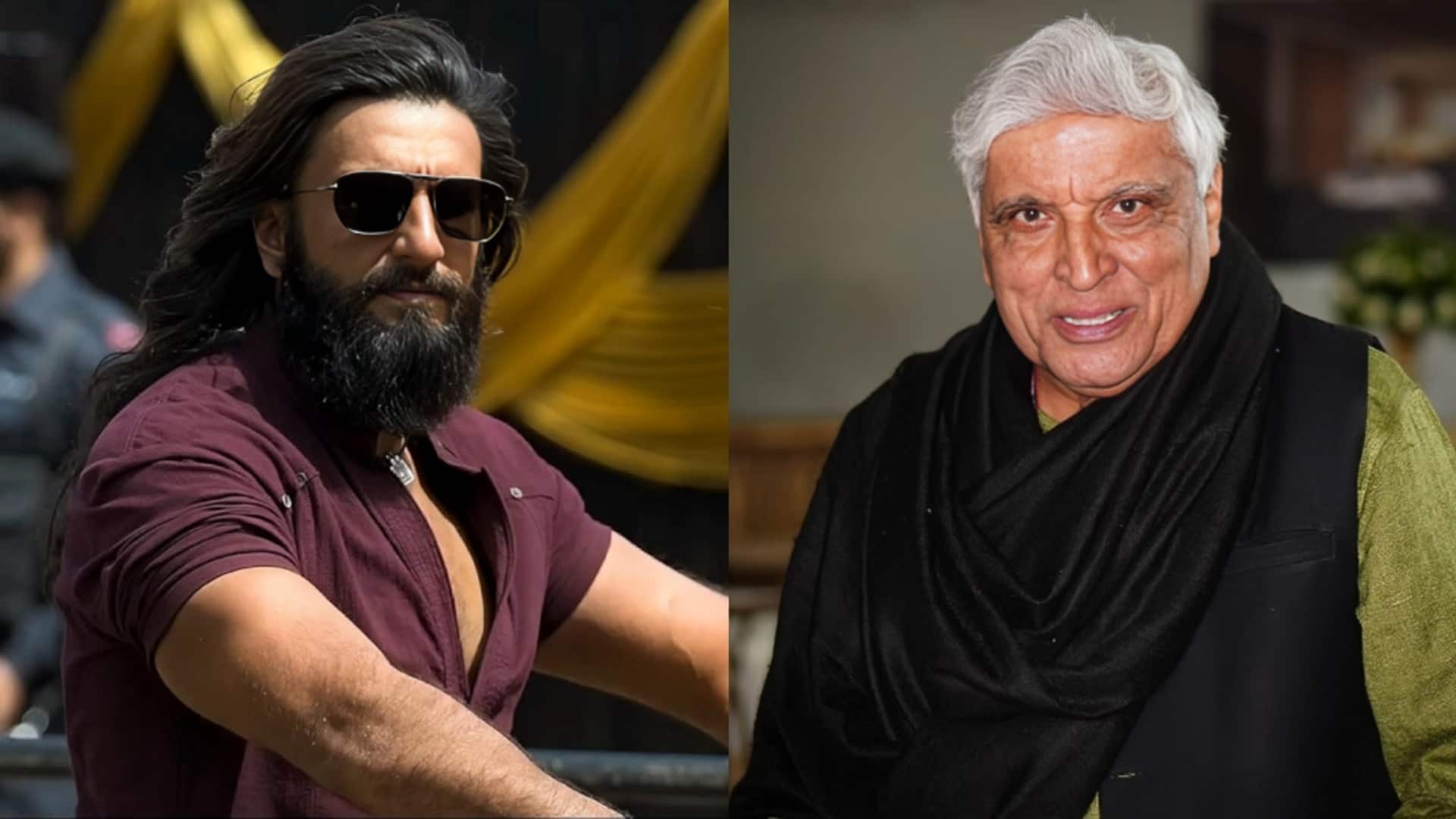
Indian screenwriter Javed Akhtar has come to the defense of Aditya Dhar’s blockbuster “Dhurandhar” franchise amid accusations that the films serve as political propaganda. Speaking at an award function in Kolkata on Sunday, the veteran lyricist questioned the very premise of labeling certain films as propaganda.
“I don’t know what you mean by propaganda films. I loved Dhurandhar, which was an excellent film,” Akhtar stated, addressing the controversy that has surrounded the spy thriller since its release.
The “Dhurandhar” franchise, which follows the exploits of an Indian spy operating in Karachi, has become one of Indian cinema’s biggest commercial successes in recent years. The first installment, released in December 2025, amassed an impressive ₹1,300 crore in worldwide box office collections. Its sequel, which hit theaters just three months later in March 2026, performed even better, grossing over ₹1,700 crore globally.
Akhtar elaborated on his position, suggesting that narrative perspective shouldn’t automatically label a film as propaganda. “Every story takes some stand, but does it become propaganda because the narrative isn’t suited to a section of the audience? Everyone has the right to propagate their ideas,” he remarked.
The acclaimed writer, known for his progressive views and outspoken nature, went further in his defense: “What is wrong with propaganda films? The task of every filmmaker is to present the truth. Even if the narrative of a movie is built on a fairy tale, it will have some ideology in a way.”
While Akhtar’s comments have drawn attention, they also highlight the ongoing debate in Indian cinema about the line between patriotic storytelling and political messaging. The “Dhurandhar” franchise has faced criticism from some quarters for allegedly glorifying the current BJP government while portraying previous administrations in a negative light.
These criticisms reflect broader concerns within India’s film industry about the increasing prevalence of nationalistic narratives that align with the ruling party’s ideology. Several recent big-budget productions have featured themes celebrating military achievements and national security operations, which some critics view as tacit support for government policies.
The franchise stars Ranveer Singh in the lead role, supported by an ensemble cast including Akshaye Khanna, Arjun Rampal, R Madhavan, Sanjay Dutt, Rakesh Bedi, and Sara Arjun. Director Aditya Dhar, who rose to prominence with his 2019 military drama “Uri: The Surgical Strike,” has yet to publicly address the allegations about political messaging in his latest works.
The controversy surrounding “Dhurandhar” reflects larger tensions in India’s entertainment industry, where filmmakers increasingly find themselves navigating complex political waters. Box office numbers suggest that audiences are responding positively to these narratives, regardless of the debate among critics and commentators.
Film industry analysts note that the spectacular commercial success of the “Dhurandhar” franchise demonstrates the appetite among Indian audiences for high-production-value action thrillers with nationalistic themes. The films have also benefited from state-of-the-art visual effects and action sequences that have helped elevate Indian cinema’s technical standards on the global stage.
As the franchise continues to expand with a planned third installment already in development, the conversation about cinema’s role in political discourse in India shows no signs of abating.
Fact Checker
Verify the accuracy of this article using The Disinformation Commission analysis and real-time sources.

7 Comments
Akhtar’s defense of the ‘Dhurandhar’ franchise is thought-provoking. While the films may have a certain narrative bias, does that necessarily make them ‘propaganda’? There could be value in exploring different perspectives, even if they are controversial.
I agree, the labeling of films as ‘propaganda’ can be a tricky and subjective exercise. There’s room for healthy debate around these issues.
Akhtar’s defense of the ‘Dhurandhar’ films raises valid points about the subjectivity of labeling certain narratives as ‘propaganda.’ It’ll be interesting to see how this debate evolves and whether the films’ popularity can withstand the criticism.
Agreed, the lines between ‘propaganda’ and artistic expression can be blurred. Akhtar’s perspective adds nuance to this complex discussion.
Interesting debate around the ‘Dhurandhar’ films. Akhtar raises a fair point – does a particular narrative perspective automatically make a film ‘propaganda’? There could be room for nuance and differing views on complex geopolitical topics.
The commercial success of the ‘Dhurandhar’ franchise speaks to its popularity, though the allegations of propaganda are not surprising given the sensitive geopolitical backdrop. Akhtar’s views add an interesting dimension to the discussion.
Akhtar’s comments highlight the complexity of defining ‘propaganda’ in films. While the ‘Dhurandhar’ movies may have a particular narrative lens, that doesn’t necessarily invalidate them as works of art. The debate around this issue is worth following.