


Listen to the article
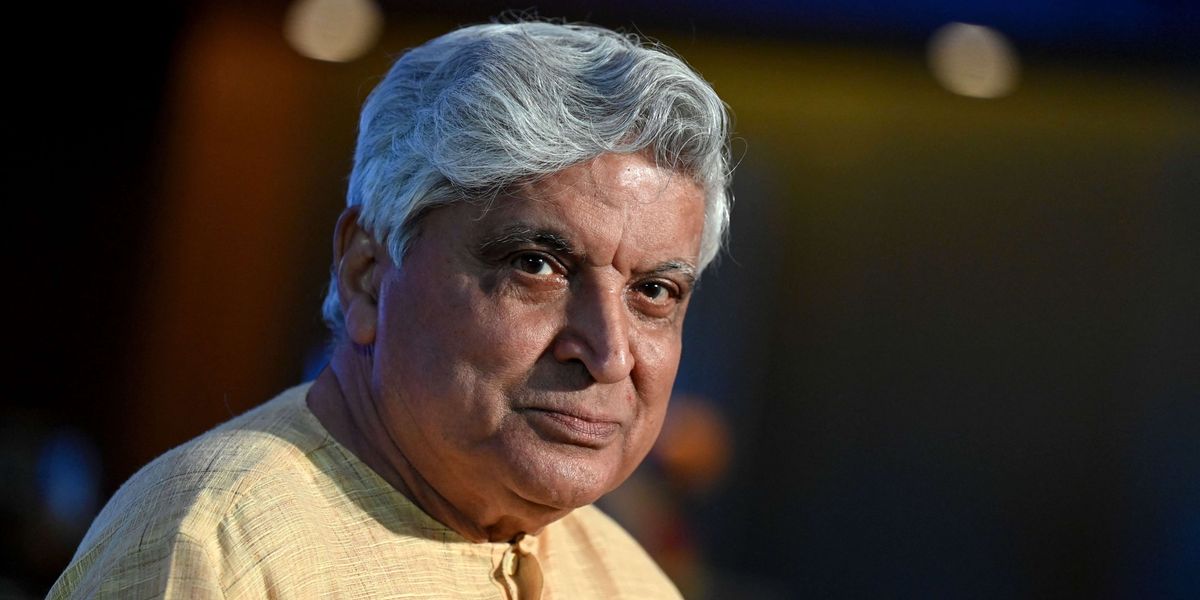
In a forceful defense of artistic expression, celebrated lyricist and screenwriter Javed Akhtar has questioned the growing practice of labeling films as “propaganda” based on their narrative viewpoints. Speaking to journalists in Kolkata, where he received a special award from a prominent jewellery brand, Akhtar articulated his concerns about how creative works are increasingly being categorized and dismissed.
“Every story takes some stand,” Akhtar remarked, challenging the notion that films should be branded as propaganda simply because they present perspectives that certain audience segments disagree with. The 79-year-old industry veteran suggested that filmmakers are primarily concerned with conveying what they perceive as truth through their artistic vision.
Akhtar specifically mentioned his appreciation for “Dhurandhar,” noting his preference for the first installment over its sequel. His comments come at a time when Indian cinema, particularly mainstream Bollywood productions, faces intensifying scrutiny regarding political undertones and nationalistic themes.
The award-winning writer, known for his work on classics like “Sholay” and “Zanjeer,” elaborated on how even fantasy-based narratives carry ideological elements. According to Akhtar, all storytelling inherently contains moral positioning, though audiences may interpret these elements differently based on their own values and perspectives.
“Films are like mirrors,” he explained, suggesting that cinema inevitably reflects the prevailing social values and concerns of its time. As society evolves, so do concepts of morality and aspiration, which in turn influence the stories being told on screen. This cyclical relationship between art and society has been particularly evident in Indian cinema’s evolution over recent decades, as the industry responds to changing cultural and political landscapes.
The Indian film industry, valued at approximately $2.4 billion and producing over 1,500 films annually across various languages, has increasingly become a battleground for competing ideologies. Several recent big-budget productions have faced accusations of promoting nationalist narratives or government-friendly perspectives, while others have been criticized for challenging traditional values.
When questioned about a warrant issued against Bengali poet Srijato Bandyopadhyay concerning a poem written years ago, Akhtar declined to comment, citing insufficient information about the case. The poet’s situation reflects growing concerns about artistic freedom in India, where creators across mediums face increasing legal and social challenges to controversial work.
Akhtar, who has never shied away from his atheist identity, characterized atheism as a rational and prejudice-free worldview. He also referenced a previous invitation from the West Bengal Urdu Academy that was later rescinded, attributing the cancellation to intolerance among certain groups. Such incidents highlight the complex relationship between creative expression and religious sensitivities in contemporary India.
Reflecting on broader political shifts, including the Bharatiya Janata Party’s rise to power at the national level in 2014, Akhtar acknowledged that change is inevitable in any society. While acknowledging that not all change is beneficial, he expressed optimism about future generations, confident they will work toward building a better society.
Looking to his own creative future, the veteran writer expressed his desire to develop a mainstream film that successfully bridges the gap between commercial appeal and artistic merit—connecting with both “class and mass” audiences. This ambition reflects Akhtar’s ongoing commitment to meaningful storytelling that resonates across India’s diverse population.
As the conversation around propaganda in Indian cinema continues to evolve, Akhtar’s measured defense of artistic intent serves as a reminder of film’s enduring power as both artistic expression and social commentary.
Fact Checker
Verify the accuracy of this article using The Disinformation Commission analysis and real-time sources.

10 Comments
Interesting perspective from Javed Akhtar on the labeling of films as ‘propaganda.’ Creative works often present diverse viewpoints, and dismissing them solely based on that seems reductive. Filmmakers should have the freedom to explore their artistic visions.
I agree. Categorizing films as propaganda based on their narrative seems overly simplistic. Artistic expression should be valued, even if it challenges certain perspectives.
Akhtar raises an important point about the growing tendency to label films as propaganda. Creative works often reflect diverse perspectives, and dismissing them on that basis could be detrimental to artistic expression.
Agreed. Filmmakers should have the freedom to explore their artistic visions, even if those visions challenge certain ideological narratives. A more open-minded approach is necessary.
Akhtar raises a valid point about the need to appreciate the artistic merits of films, beyond simplistic labeling. The discussion around political themes in cinema is complex and deserves nuanced consideration.
Well said. Dismissing films as propaganda based on their narrative viewpoints could stifle creative expression and meaningful dialogue. A more balanced approach is warranted.
Akhtar’s comments highlight the need for a more nuanced understanding of the relationship between art and politics. While films may present certain viewpoints, dismissing them as propaganda oversimplifies a complex issue.
Well said. Fostering an environment that encourages diverse storytelling and creative expression, rather than quick labeling, is crucial for the growth and development of the film industry.
Akhtar’s defense of artistic expression is commendable. While films may explore political or nationalistic themes, that doesn’t necessarily make them propaganda. The industry should focus on fostering creative freedom and diverse storytelling.
I concur. Categorizing films solely based on their ideological leanings oversimplifies the complex relationship between art and politics. Thoughtful discourse is needed to navigate these nuances.