


Listen to the article
Israeli authorities are developing a comprehensive media strategy to manage the influx of international journalists into Gaza, according to reports published in Israeli news outlet Ynet. The plan includes military-escorted tours designed to showcase what Israel claims is evidence justifying its military campaign in the Palestinian territory.
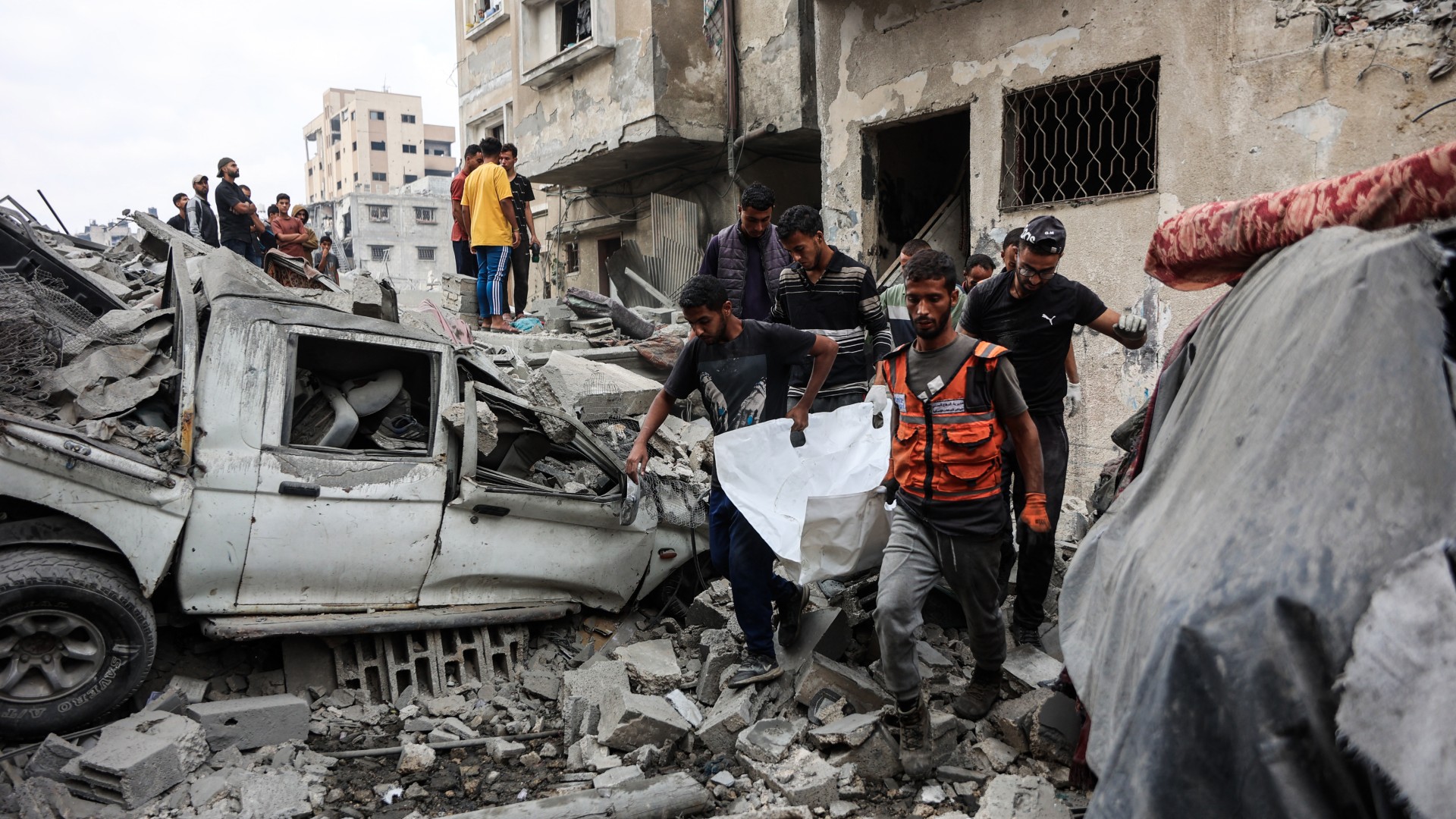
The proposed strategy comes as Israel faces mounting international scrutiny over its operations in Gaza, which have resulted in significant civilian casualties and widespread destruction since the conflict escalated following Hamas’ October 7 attack.
According to the Ynet report, Israeli officials are considering establishing “designated sites in Gaza” where journalists would be shown evidence purportedly demonstrating that Hamas operated from civilian areas and used non-combatants as human shields. These claims have been central to Israel’s justification for its military actions in densely populated areas.
The military-supervised tours would take foreign correspondents to several “demonstration sites” specifically prepared to provide what officials describe as “clear visual explanations” of Hamas’ alleged tactics. These sites would presumably highlight infrastructure such as tunnels, weapons caches, or command centers that Israel claims were deliberately placed in civilian areas.
This media initiative represents a significant shift in Israel’s approach to international press coverage of the conflict. For months, foreign journalists have been largely prevented from independently accessing Gaza, with most reporting relying on Palestinian journalists on the ground, footage from Palestinians, or Israeli military-provided information.
Media access has been a contentious issue throughout the conflict, with press freedom organizations repeatedly calling for journalists to be allowed unrestricted access to Gaza to report independently on the situation. The new approach suggests Israel is attempting to take more control of the narrative as international criticism intensifies.
The timing of this media strategy coincides with increasing diplomatic pressure on Israel to agree to a ceasefire and address the humanitarian crisis in Gaza. The United Nations, humanitarian organizations, and several countries have expressed alarm about civilian casualties, destruction of infrastructure, and limited humanitarian aid reaching the population.
Israel’s planned media tours raise questions about journalistic independence and the ability of reporters to verify information. Military-escorted tours inherently limit journalists’ freedom to investigate areas outside the designated routes or to speak with Palestinians without military presence.
Media analysts note that this approach is part of a broader information struggle that has characterized the conflict since its beginning. Both sides have sought to shape international perception of events, with control over journalists’ access being a key component of that strategy.
The Israeli government has not officially confirmed the details of this media plan, and it remains unclear when these journalist tours might begin or how many international media organizations would be invited to participate. The initiative appears to be in the planning stages, with officials still developing the specifics of implementation.
As the conflict continues, the battle for international public opinion remains a crucial element alongside the military campaign. How effectively Israel manages to present its narrative to the international media—and how critically journalists approach these controlled tours—may significantly impact global perceptions of the ongoing crisis in Gaza.
Fact Checker
Verify the accuracy of this article using The Disinformation Commission analysis and real-time sources.

9 Comments
Restricting media access and curating the narrative through military-guided tours is concerning. The public deserves unbiased reporting on the situation in Gaza, not just Israel’s perspective.
Well said. Providing selective access raises red flags about Israel’s intentions. Journalists should have the freedom to investigate and report the full truth on the ground.
The use of military-guided tours in Gaza is a concerning development. Israel needs to be more open and accountable, not restrict media access. Civilians have suffered greatly – their stories deserve to be heard.
You make a fair point. Controlling the narrative through selective access is problematic. The human toll in Gaza should not be obscured, regardless of Israel’s justifications.
This military-led tour plan in Gaza seems like a PR exercise more than a genuine effort at transparency. I hope journalists are able to report freely and give voice to all sides of this complex conflict.
Agreed. Unfettered press access is critical, even in sensitive security situations. Israel should welcome independent scrutiny to bolster the credibility of its claims.
Interesting that Israel is trying to control the media narrative around their Gaza operations. While their security concerns are understandable, using military-guided tours raises questions about transparency and objectivity.
I agree, it’s a delicate balance between national security and press freedom. Hopefully these tours can provide helpful context, but they should be accompanied by independent reporting as well.
This military-escorted media strategy in Gaza seems designed to control the narrative rather than promote transparency. I hope journalists can still report independently and give voice to all affected parties.