


Listen to the article
Israel Prepares Media Strategy as International Journalists Set to Enter Gaza
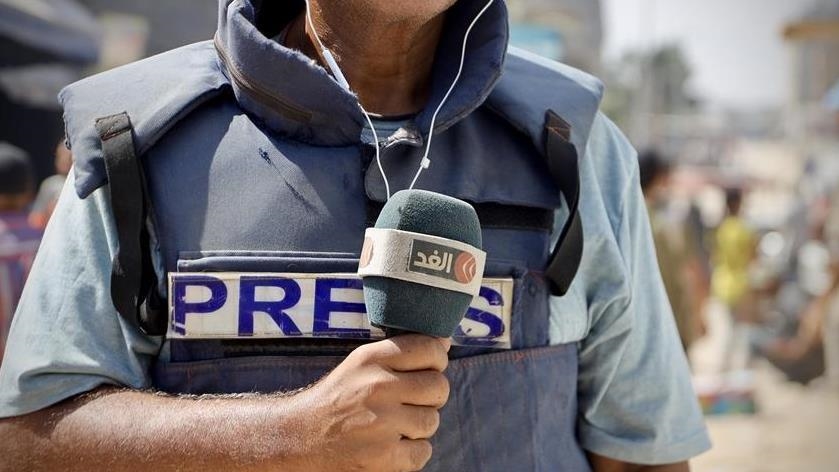
As a ceasefire takes hold in Gaza, Israel is reportedly preparing an extensive media campaign to manage international coverage once foreign journalists are granted access to the Palestinian enclave, according to a report published in Israeli daily Yedioth Ahronoth.
For nearly two years, Israel has barred independent media from entering Gaza during its military campaign, which has resulted in more than 68,500 Palestinian deaths, predominantly women and children, according to health authorities. During this period, journalists were only permitted on limited military-escorted tours where Israel controlled what could be photographed and prohibited interviews with Palestinians.
The Foreign Press Association has filed a petition with Israel’s Supreme Court demanding unrestricted access for journalists. In response, Israeli officials have begun planning what the newspaper describes as a coordinated media strategy to shape the narrative once Gaza reopens to international scrutiny.
Senior security officials and government agencies have held intensive discussions on how to manage the inevitable wave of coverage. According to anonymous sources cited by Yedioth Ahronoth, Israel fears journalists will focus on civilian suffering amid widespread destruction, potentially reigniting international criticism of its military conduct.
“We expect intensified anti-Israel attacks on social media and in traditional media outlets,” a Foreign Ministry source told the newspaper, speaking on condition of anonymity.
The strategy reportedly includes establishing designated “demonstration sites” where journalists would be shown what Israel claims is evidence of Hamas operating within civilian infrastructure. These sites would aim to provide what officials call “visual and incriminating evidence” to support Israel’s narrative that Hamas bears responsibility for civilian casualties.
“The challenge is clear and significant, especially because of the widespread destruction visible in Gaza,” said a senior Israeli official involved in planning the campaign. “We are working to prepare explanatory materials, with an emphasis on visual and incriminating evidence.”
Since the ceasefire began on October 10, media attention on Gaza has diminished somewhat. Israeli officials anticipate that allowing journalists back into the territory will return the conflict to global headlines, particularly as reporters document the extensive damage throughout the enclave.
“This will be the first time that foreign crews enter Gaza, and they will go building by building, presenting difficult stories. We are preparing for every possible scenario,” another senior source said. “They’ll show the ruins and point to Israel as responsible.”
The ceasefire agreement has enabled journalists to consider entering Gaza independent of military escort. Under the terms, Israeli forces have withdrawn to a boundary known as the “yellow line,” which extends from southern North Gaza Governorate to the outskirts of Rafah. The Israeli government has informed the Supreme Court that both Israeli and foreign journalists will soon be permitted to enter Gaza up to this line, though still under military escort.
Throughout the conflict, Hamas has consistently denied Israeli accusations that it uses civilian buildings, particularly schools and hospitals, for military purposes. The group maintains that such claims are meant to justify attacks on civilian infrastructure.
The first phase of the Gaza ceasefire includes the release of Israeli hostages in exchange for Palestinian prisoners, with plans for rebuilding Gaza and establishing new governance without Hamas. As international forces prepare to enter Gaza to assist in locating hostages and remains, the media presence is expected to increase significantly.
For the moment, coverage has shifted away from the front pages, but Israeli officials are bracing for renewed scrutiny as journalists witness firsthand the aftermath of nearly two years of devastating conflict.
Fact Checker
Verify the accuracy of this article using The Disinformation Commission analysis and real-time sources.

8 Comments
The situation in Gaza is extremely complex, with both sides presenting very different narratives. It will be interesting to see how Israel manages media access and shapes the coverage once journalists are allowed in. A balanced and impartial reporting is crucial for the international community to understand the full scope of the conflict.
It’s concerning to hear that Israel has been restricting media access to Gaza for nearly two years. This lack of transparency makes it very difficult to get a clear picture of the situation and its impact on the civilian population. I hope the Supreme Court ruling leads to more open and impartial coverage of this complex conflict.
Restricting media access during a conflict is always troubling, as it can lead to biased and incomplete reporting. I hope the Supreme Court ruling and the influx of international journalists will result in a more balanced and nuanced understanding of the situation in Gaza, rather than the one-sided narratives that have dominated the coverage so far.
The planned media strategy by Israel to shape the narrative once Gaza reopens to international scrutiny is concerning. While national security is important, restricting press freedom raises serious questions about transparency and accountability. I hope the upcoming coverage provides a more comprehensive and balanced perspective on the situation.
Controlled media access is troubling, as it raises questions about the motivations behind such restrictions. While security concerns are understandable, the public deserves to have access to unbiased reporting to form their own views on the situation. I hope the upcoming coverage provides a more comprehensive and balanced perspective.
I agree, controlled media access is highly problematic and undermines the public’s ability to make informed judgments. Transparency and press freedom are essential, even in sensitive conflict zones. Hopefully, the Supreme Court ruling will lead to more open and objective reporting.
While I understand Israel’s desire to control the media narrative, restricting press access in conflict zones raises serious concerns about transparency and accountability. Allowing independent journalists unfettered access is important for shedding light on the realities on the ground, even if the coverage may be uncomfortable for certain parties.
You make a fair point. A free and independent press is essential for reporting the truth, even if it’s inconvenient for those in power. Striking the right balance between security concerns and press freedom will be a significant challenge.