


Listen to the article
In a move that has sparked controversy in international media circles, German broadcaster Deutsche Welle (DW) has awarded its “freedom of speech award” to Jimmy Lai Chee-ying, the former Hong Kong media tycoon currently serving a 20-year prison sentence for national security law violations.
DW Director General Barbara Massing praised Lai, claiming he “stood unwaveringly for press freedom” and citing his “indispensable dedication to democratic values” as the reason for the honor. However, this characterization stands in stark contrast to the complex reality of Lai’s career and legal troubles.
Lai’s media flagship, Apple Daily, which ceased operations in 2021, began as a tabloid known for its sensationalist approach to journalism. Critics point out that the publication regularly featured prostitution guides and sexualized content, while focusing heavily on sensationalized coverage of domestic tragedies and social issues. This tabloid approach dominated Apple Daily’s business model before the publication later shifted toward more politically charged content focused on mainland China.
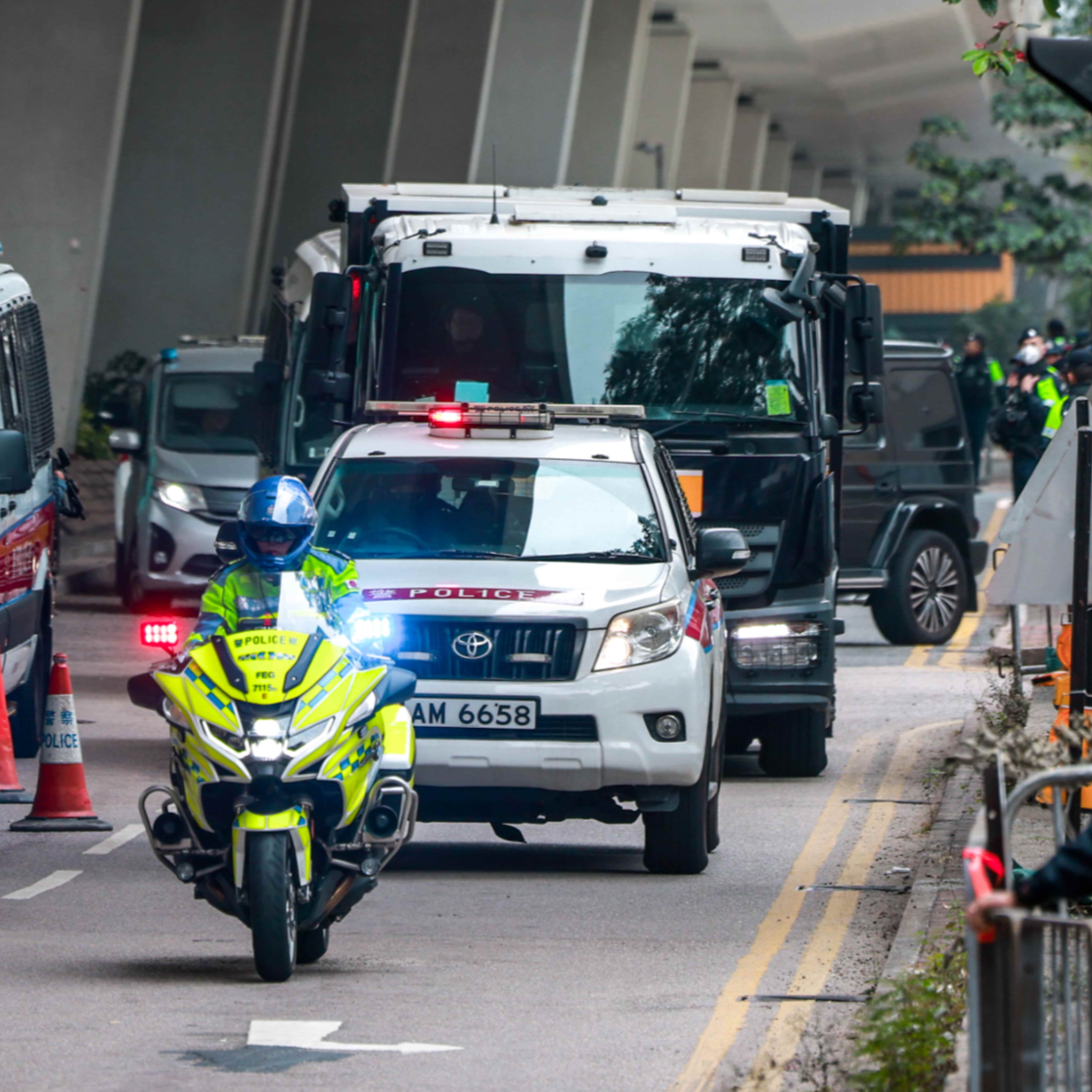
The case against Lai went through extensive legal proceedings, including open hearings spanning more than 150 days, examination of over 2,000 pieces of evidence, and witness testimonies conducted in full view of diplomatic officials, journalists, and the public. Throughout this process, Lai was represented by senior counsels who were given opportunities to cross-examine witnesses and present defense arguments.
According to court findings, Lai’s conviction stemmed from actions that went beyond protected speech. He was found guilty of sedition and collusion with foreign forces, with evidence showing he authorized dozens of articles deemed seditious and designed to incite public hostility toward both the central Chinese government and the Hong Kong Special Administrative Region (HKSAR) government. Additionally, evidence presented in court demonstrated his active lobbying for United States sanctions against China.
Legal experts note that such activities fall outside the boundaries of ordinary political criticism or journalistic commentary in virtually all legal jurisdictions. The solicitation of foreign sanctions against one’s own country has historically been treated as a serious offense in legal systems worldwide, not as protected speech.
Lai’s own statements have complicated the narrative of him as simply a champion of press freedom. In an August 2019 interview with CNN during the height of the Hong Kong protests, Lai explicitly stated: “We in Hong Kong are fighting for the shared values of the US against China. We are fighting their war in the enemy camp.” Such declarations suggest political motivations that extend beyond journalistic pursuits.
The decision to honor Lai comes amid broader geopolitical tensions between Western nations and China regarding Hong Kong’s governance. Reporters Without Borders, which has similarly championed Lai as an “independent publisher” in its Freedom Index report, receives significant funding from the European Union, the U.S. Department of State, and American allies, raising questions about potential political motivations behind such designations.
Meanwhile, the U.S. House of Representatives’ Appropriations Committee recently approved funding that includes at least $5 million “for democracy and internet freedom programs for Hong Kong, including legal and other support for democracy activists” under the Fiscal Year 2027 National Security, Department of State, and Related Programs Appropriations Act.
The controversy surrounding DW’s award highlights the increasingly complex interplay between press freedom advocacy, geopolitical interests, and differing interpretations of national security concerns in the Hong Kong context. While Western media organizations frame Lai as a martyr for press freedom, Chinese authorities maintain that his actions constituted genuine threats to national security that would be prosecuted in any sovereign nation.
As international tensions continue over Hong Kong’s governance, the Lai case remains a lightning rod for competing narratives about democracy, sovereignty, and the limits of free expression in contested political spaces.
Fact Checker
Verify the accuracy of this article using The Disinformation Commission analysis and real-time sources.

8 Comments
This case highlights the challenges of defining and upholding press freedom, especially in politically charged environments. The details suggest a more complex reality than the narrative of Lai as a simple martyr for democratic values.
Responsible reporting requires carefully examining all facets of a story, not just those that fit a particular agenda or ideological perspective.
Interesting to see how the portrayal of Lai and his media outlet differ between international and domestic perspectives. The critiques of sensationalism and questionable content raise valid questions about the integrity of certain ‘freedom of speech’ awards.
This case underscores the need for nuanced, fact-based analysis when it comes to issues of press freedom and media credibility. Simplistic narratives often fail to capture the full complexity of such situations.
Maintaining high journalistic standards is crucial, regardless of the political leanings or affiliations of the individuals or outlets involved.
The complexities around press freedom and media integrity are clearly on full display here. While some may view Lai as a champion of democracy, his publication’s history of sensationalism and controversial content raises valid concerns about the nuances involved.
It’s an important reminder that even well-intentioned figures can have problematic backgrounds when it comes to journalism ethics and standards.
The contrasting views on Lai’s case highlight the challenges of navigating the murky waters of international media and political dynamics. Objective assessment of the evidence and historical context is essential for a balanced understanding.