


Listen to the article
Israel’s propaganda budget has surged to an unprecedented $730 million amid growing international criticism over its military operations in Gaza, according to recent reports from The Jerusalem Post. This figure represents a more than four-fold increase from the previous year’s allocation of $150 million, which itself was approximately 20 times higher than pre-2023 spending levels.
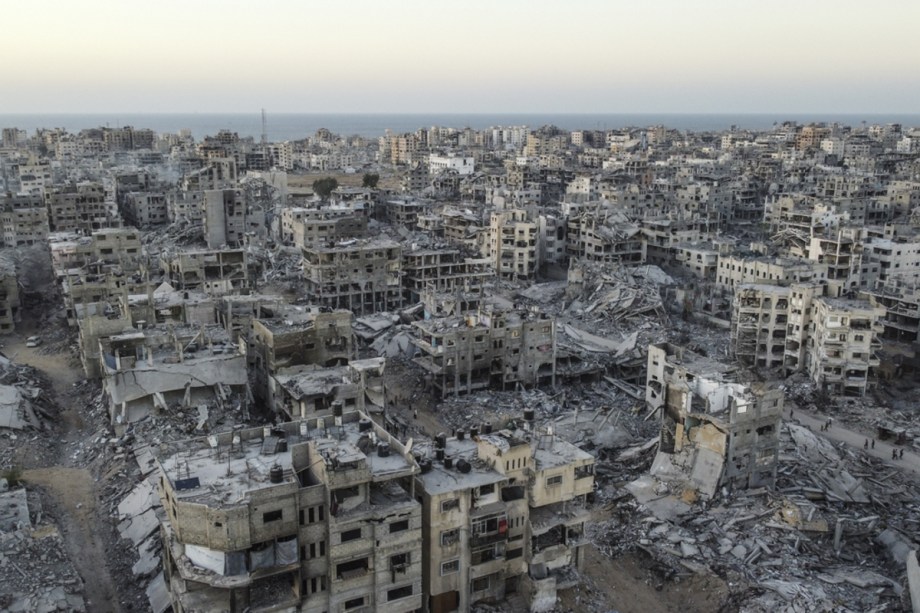
The dramatic budget expansion, included in Israel’s national budget passed in March, will flow through the country’s national public diplomacy directorate, the government body tasked with shaping foreign public opinion. The investment comes as Israel faces mounting challenges to its international standing following military actions in Gaza that human rights organizations have heavily criticized.
Public opinion polling suggests these concerns are well-founded. A Pew Research Center survey published in April revealed that 60 percent of U.S. adults now view Israel unfavorably, up from 53 percent last year and nearly 20 percentage points higher than in 2022. Only 37 percent of Americans now hold favorable views of Israel.
This shift in sentiment spans across traditional political divides. According to Pew’s data, 80 percent of Democrats and Democratic-leaning independents view Israel unfavorably. Perhaps more concerning for Israeli officials is that 57 percent of Republicans under age 50 also express negative perceptions.
Gallup’s February survey confirmed this trend, finding American sympathies no longer clearly favor Israel. The poll showed 41 percent of Americans sympathize more with Palestinians compared to 36 percent who side with Israelis. Gallup researchers noted Israel’s favorable rating had approached its historical low, while ratings of Palestinian territories reached a new high.
The erosion of support in the United States represents a particular strategic concern for Israel, as the U.S. remains its most crucial ally and primary supplier of military aid. This relationship has historically provided Israel with significant diplomatic cover in international forums.
Israel’s own policy establishment has acknowledged these troubling developments. The Institute for National Security Studies in Tel Aviv has warned of a “deepening crisis” in Israel’s standing within the United States, highlighting declining support among younger Americans, Democrats, younger Republicans, and segments of the American Jewish community.
The institute also reported growing diplomatic isolation and cautioned about a “creeping economic boycott” as businesses, academic institutions, and civil society organizations increasingly hesitate to maintain ties with Israel.
In response, Israel’s foreign ministry has expanded its messaging apparatus under Foreign Minister Gideon Sa’ar, creating a dedicated unit focused on shaping international narratives. Funds have reportedly been directed toward digital campaigns, foreign delegations, influencer outreach, and pro-Israel advocacy networks.
Reports indicate that Israel hired a firm connected to former Trump campaign strategist Brad Parscale to manage a pro-Israel social media campaign, investing $9 million in the initiative and subsequently renewing the contract.
Additional components of Israel’s expanded propaganda effort reportedly include a centralized “media war room” that tracks coverage across hundreds of outlets and monitors thousands of daily references to Israel. Further spending has been directed toward evangelical networks, private public relations firms, and campaigns targeting universities, social media influencers, and young audiences.
The unprecedented scale of this investment suggests Israeli officials view the country’s deteriorating image not merely as a public relations challenge but as a fundamental strategic threat. Israel’s regional military dominance has long depended on political, diplomatic, and military support from Western governments, particularly Washington. As Western public opinion increasingly questions Israel’s actions, elected officials may find it increasingly difficult to maintain unconditional support.
Fact Checker
Verify the accuracy of this article using The Disinformation Commission analysis and real-time sources.

10 Comments
I’m curious to see how Israel intends to use this PR blitz to try and rehabilitate its international image. The data on declining US favorability is quite concerning for them, especially the bipartisan nature of the shift.
Agreed, the bipartisan nature of the shift in US views on Israel is particularly notable. This will be a significant challenge for their public diplomacy efforts.
This story highlights the growing tensions and evolving dynamics in the Israel-Gaza conflict. The shift in US public opinion is a significant development that will likely impact broader geopolitical dynamics in the region.
Absolutely. The changing views in the US, a key Israeli ally, could have substantial ripple effects. It will be worth watching how this plays out on the global stage.
It’s understandable that Israel would want to counter the negative publicity, but a $730 million PR campaign seems like an extreme response. I wonder if this level of spending will actually be effective in swaying global opinion, or if it could even backfire.
That’s a fair point. Throwing huge sums of money at the problem doesn’t necessarily guarantee success in public relations. They may need to rethink their overall strategy rather than just increasing the budget.
This is a significant increase in Israel’s PR budget, reflecting the growing international backlash over its actions in Gaza. The shift in US public opinion is quite dramatic, and it will be interesting to see how Israel’s government uses this expanded funding to try to sway global sentiment.
You’re right, the scale of the budget expansion is quite striking. It suggests Israel is feeling the pressure to counter the negative perceptions of its military operations.
A $730 million PR budget is an extraordinary amount, even for a country of Israel’s size and influence. I’m curious to see what specific tactics and messaging they deploy to try and counteract the negative perceptions. This will be an interesting case study in public diplomacy.
Agreed, it will be intriguing to see their strategy unfold. The scale of the investment suggests they view this as a critical priority, but the ultimate effectiveness remains to be seen.