


Listen to the article
Israel has escalated its confrontation with international aid groups operating in Gaza, ordering 37 international nongovernmental organizations to cease operations in the territory. This dramatic move has drawn sharp criticism from humanitarian leaders, including Doctors Without Borders (Médecins Sans Frontières), one of the most prominent medical relief organizations working in conflict zones worldwide.
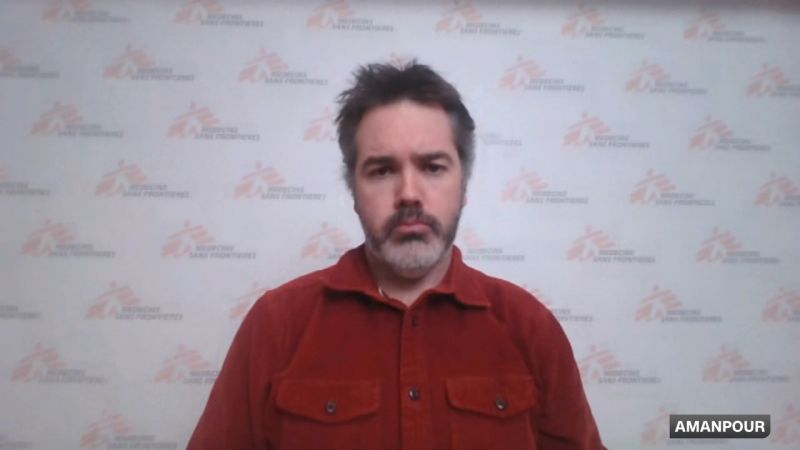
In an interview with CNN’s Christiane Amanpour, MSF Secretary General Christopher Lockyear denounced Israel’s actions, characterizing them as “a propaganda campaign against humanitarian organizations.” The directive comes amid increasingly desperate conditions for Gaza’s civilian population, where aid workers have been struggling to provide essential medical care, food, and shelter to those caught in the ongoing conflict.
Lockyear explained that the Israeli government’s decision has severe implications for Gaza’s already fragile humanitarian infrastructure. MSF operates several medical facilities in the territory, providing emergency trauma care, surgical interventions, and treatment for chronic conditions that local hospitals can no longer adequately address due to damage from airstrikes and shortages of medical supplies.
“This is not simply about bureaucratic restrictions,” Lockyear told Amanpour. “This represents a systematic effort to remove independent witnesses to the suffering of civilians and to control the narrative about what is happening on the ground in Gaza.”
The conflict, which intensified following Hamas’ October 7 attack on Israel last year, has resulted in a humanitarian crisis of staggering proportions. According to the United Nations, more than 70% of Gaza’s infrastructure has been damaged or destroyed, while its 2.2 million residents face acute shortages of clean water, food, and medicine.
International aid organizations have played a crucial role in mitigating the worst effects of this crisis. Before the current directive, these 37 NGOs collectively provided support to hundreds of thousands of Palestinians through medical clinics, food distribution centers, and temporary shelter facilities.
The Israeli government has defended its decision, citing security concerns and allegations that some humanitarian organizations have been infiltrated by Hamas operatives or have unwittingly allowed aid to be diverted. Israeli officials maintain that they are working to establish more secure mechanisms for delivering humanitarian assistance through approved channels.
However, humanitarian experts warn that removing experienced international organizations will create dangerous gaps in the aid ecosystem. Many of these organizations have decades of experience operating in conflict zones and have established protocols for maintaining neutrality while delivering assistance to vulnerable populations.
“What we’re seeing is the weaponization of humanitarian aid,” said Dr. Mona El-Farra, a Gaza-based physician who has worked with international medical organizations. “When political objectives override humanitarian imperatives, it’s always civilians who pay the highest price.”
The diplomatic fallout from Israel’s decision has been swift. Several European governments, including France, Germany, and the UK, have expressed concern about the humanitarian implications and have called for the order to be rescinded. The United States, Israel’s closest ally, has also urged Israeli authorities to find a compromise that addresses security concerns while allowing humanitarian operations to continue.
For organizations like MSF, the situation presents an agonizing dilemma. Many are exploring legal challenges to the directive while continuing to advocate through diplomatic channels. Some groups have indicated they may attempt to continue limited operations through local staff, though this raises significant safety concerns.
“We cannot simply abandon patients who depend on our care,” Lockyear emphasized. “But we also cannot put our staff at risk of legal consequences or physical danger.”
As the standoff continues, health experts warn that Gaza’s medical system, already on the brink of collapse, could deteriorate further without the support of international organizations. Chronic patients, pregnant women, and those suffering from conflict-related injuries are particularly vulnerable.
The situation highlights the increasingly complex environment for humanitarian organizations operating in modern conflicts, where their neutrality is frequently challenged and their access to those in need is increasingly politicized. For Gaza’s civilian population, caught between these competing forces, the consequences could be dire.
Fact Checker
Verify the accuracy of this article using The Disinformation Commission analysis and real-time sources.

9 Comments
The situation in Gaza is extremely fragile, and aid groups like MSF play a critical role in providing essential services and support to vulnerable populations. Any moves by the Israeli government to restrict their operations could have severe and far-reaching consequences. I hope all parties can work constructively to find a solution that ensures unimpeded humanitarian access.
Absolutely. Maintaining a robust and unhindered aid presence in Gaza is essential, especially given the already dire conditions. Both sides should prioritize finding a resolution that preserves the ability of relief organizations to fulfill their vital mission.
Characterizing this as a ‘propaganda campaign’ by the Israeli government is a serious accusation. I’m curious to hear more details on the specific reasons behind this directive and what evidence MSF has to support their claims. Transparency and open dialogue are important, especially when it comes to sensitive political and security issues.
Valid point. The Israeli government may have legitimate security concerns that are driving this decision, even if the humanitarian impact is concerning. It would be helpful to understand their rationale more fully before rushing to judgment.
This is a concerning development. Aid groups play a vital role in providing essential services and humanitarian relief in conflict zones like Gaza. Any attempts to restrict or expel them could have devastating consequences for vulnerable populations. The Israeli government should reconsider this directive and ensure unimpeded access for critical aid operations.
I agree, the humanitarian situation in Gaza is already extremely dire. Preventing aid groups from operating there could exacerbate the suffering of civilians. The Israeli government should be facilitating, not obstructing, the delivery of vital medical care and other assistance.
This news is quite troubling. The Israeli government’s directive to cease operations by international NGOs in Gaza appears to be a heavy-handed and counterproductive move. Aid groups play a crucial role in addressing the immense humanitarian needs in the region, and disrupting their work could have severe consequences for civilians. I hope a diplomatic resolution can be reached to allow these organizations to continue their vital work unimpeded.
The ongoing conflict in Gaza has created immense hardship for the local population, who desperately rely on aid groups to meet their basic needs. Any actions that disrupt or impede these critical relief efforts are deeply troubling. I hope a constructive solution can be found to ensure aid workers can continue their vital work unhindered.
This is a complex and sensitive issue, with valid concerns and perspectives on both sides. While the humanitarian imperative is clear, the Israeli government may also have security-related justifications for their decision. Open and transparent dialogue will be key to finding a balanced approach that upholds humanitarian principles while also addressing legitimate security needs.