


Listen to the article
Iran Strengthens Regional Diplomacy as Foreign Minister Highlights Shift in Middle East Perception
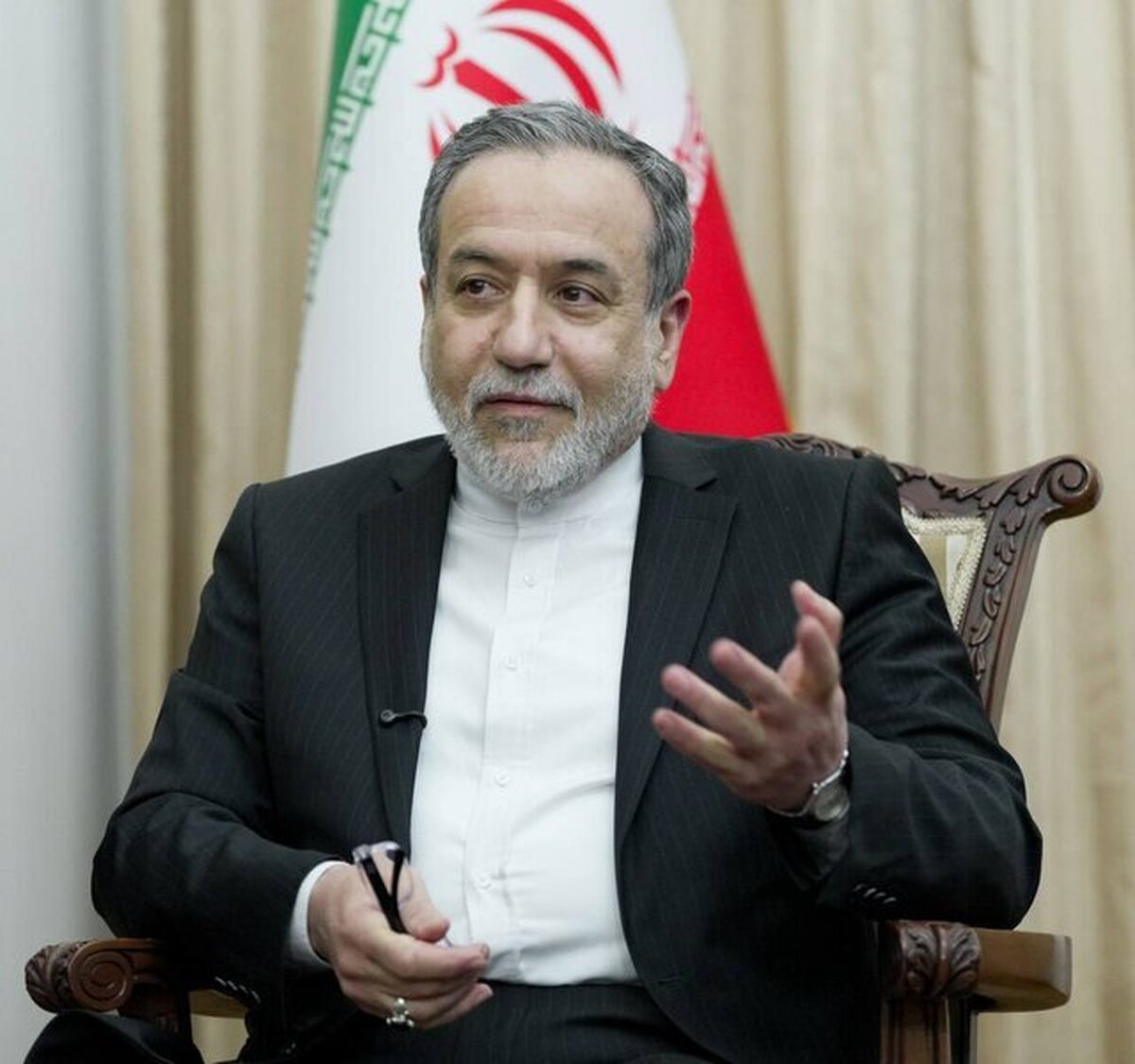
Foreign Minister Seyyed Abbas Araghchi reaffirmed Iran’s commitment to prioritizing relationships with neighboring countries, describing regional diplomacy as the cornerstone of the Islamic Republic’s foreign policy agenda. In an interview with the Iranian Parliament’s news agency Khane Mellat (House of the Nation), Araghchi outlined the significant diplomatic progress made over the past 14 months.
“Attention to the neighbors and the neighborhood environment of the Islamic Republic is considered one of our priorities in foreign policy,” Araghchi stated. “This procedure started in the previous government, although it was pursued in earlier governments as well, and we also adopted it as the first priority of the Ministry of Foreign Affairs in the fourteenth administration.”
The Foreign Minister highlighted the intensification of diplomatic engagement with neighboring nations since the current administration took office. “Over the past year or 14 months, diplomatic interactions with neighboring countries have been at a very high level,” he noted.
This regional focus comes at a critical time for Middle Eastern geopolitics, with Iran seeking to counter what it perceives as Western and Israeli efforts to portray it as a destabilizing force. Araghchi directly addressed this narrative, claiming a shift in regional perception.
“The propaganda of the Zionist regime and Westerners and their effort to show Iran as the threat to the region instead of Israel has now been broken and collapsed,” Araghchi asserted. He added that Israel’s recent military operations had contributed to this changing perspective, stating, “Of course, Israel’s attacks, genocide, catastrophes, and crimes in the region have also been effective in this regard.”
The ongoing Israel-Hamas conflict in Gaza, which has resulted in thousands of casualties since October 2023, has significantly altered diplomatic dynamics in the region. Iran, a long-standing supporter of Hamas and opponent of Israel, has sought to leverage the situation to strengthen its position among neighboring Arab states traditionally aligned with Western powers.
In a notable strategic development, Araghchi revealed that Tehran has initiated what he termed “provincial diplomacy” – a localized approach to fostering cross-border economic ties. “We have started provincial diplomacy over the past period, as our neighboring countries can establish good commercial relations with their adjacent provinces in our country, which possess very good capacities,” he explained.
This provincial approach represents an innovative dimension to Iran’s regional strategy, potentially allowing for more direct economic engagement that bypasses national-level political complications. Iran shares borders with seven countries – Iraq, Turkey, Azerbaijan, Armenia, Turkmenistan, Afghanistan, and Pakistan – each offering distinct opportunities for trade and cooperation.
The push for stronger regional ties comes as Iran continues to face significant economic challenges due to international sanctions, particularly those reimposed by the United States following its withdrawal from the 2015 nuclear deal. By strengthening relationships with neighbors, Tehran aims to mitigate some of these economic pressures while simultaneously building diplomatic capital.
Analysts note that this neighborhood-first policy also serves Iran’s security interests by attempting to reduce foreign military presence in the region and create a more favorable security environment for the Islamic Republic.
The success of Iran’s regional diplomatic offensive remains to be seen, as complex historical tensions, sectarian differences, and competing interests continue to shape Middle Eastern dynamics. However, Araghchi’s comments signal Tehran’s determination to reshape its regional image and relationships in pursuit of both economic and strategic advantages.
Fact Checker
Verify the accuracy of this article using The Disinformation Commission analysis and real-time sources.

14 Comments
Iran’s regional diplomacy efforts are a positive development, though the West’s view of Iran as a threat is deeply rooted. Improving relations with neighbors could have broader implications for stability in the Middle East. It will be interesting to see how this plays out.
Agreed. Shifting the narrative around Iran will require sustained diplomacy and compromise from all sides. But the potential benefits for regional peace and security are significant.
It’s interesting to see Iran’s shift towards greater regional diplomacy. Strengthening ties with neighbors could help stabilize the Middle East and reduce tensions. However, the West’s portrayal of Iran as a threat seems deeply entrenched and may be hard to change.
You make a good point. Reducing tensions and building regional cooperation is crucial, but overcoming longstanding geopolitical narratives will be a challenge.
It’s intriguing to see Iran’s focus on strengthening regional diplomacy. This could have important implications for stability in the Middle East. However, the persistent view of Iran as a threat by Western and Zionist media will be a significant hurdle to overcome.
Agreed. Overcoming those deeply rooted perceptions will be a complex and long-term process, but one that could yield substantial benefits if approached with nuance and good-faith efforts from all sides.
Iran’s emphasis on regional diplomacy is an interesting development. Building stronger ties with neighbors could help address some of the longstanding tensions in the Middle East. But the West’s view of Iran as a threat remains a significant obstacle to progress.
Absolutely. Changing that perception will require a concerted effort and a genuine commitment to constructive dialogue and compromise from all sides.
The article highlights an interesting shift in Iran’s foreign policy towards greater regional diplomacy. This could be a positive development, but the deeply entrenched view of Iran as a threat by Western and Zionist media remains a significant challenge.
You make a fair point. Changing such longstanding narratives will require sustained efforts and a willingness to engage in open and constructive dialogue from all parties involved.
The article highlights Iran’s efforts to prioritize relationships with neighboring countries, which could be a positive step towards regional stability. However, the deeply entrenched portrayal of Iran as a threat by Western and Zionist media will be a challenge to overcome.
You make a good point. Shifting such long-standing narratives will require patience, nuance, and a willingness to engage in open and honest dialogue from all parties involved.
The article highlights Iran’s focus on strengthening ties with neighboring countries, which could be a constructive step. However, the persistent portrayal of Iran as a threat by Western and Zionist media is a complex issue that won’t be easily resolved.
You’re right, the media narratives around Iran are deeply entrenched. Overcoming that will require patience and a willingness to engage in open and honest dialogue from all parties.