


Listen to the article
Iranian security officials called for public calm Wednesday amid currency market turbulence, attributing recent volatility to psychological factors rather than fundamental economic issues.
Aliakbar Pourjamshidian, Deputy Minister of Interior for Security Affairs, urged citizens and business owners to disregard what he characterized as “hostile propaganda” designed to exacerbate market instability.
“All responsible institutions, including the government, are seriously working to resolve the problems and volatility seen in the currency market,” Pourjamshidian said, addressing growing public concern over the sharp depreciation of the Iranian rial in recent weeks.
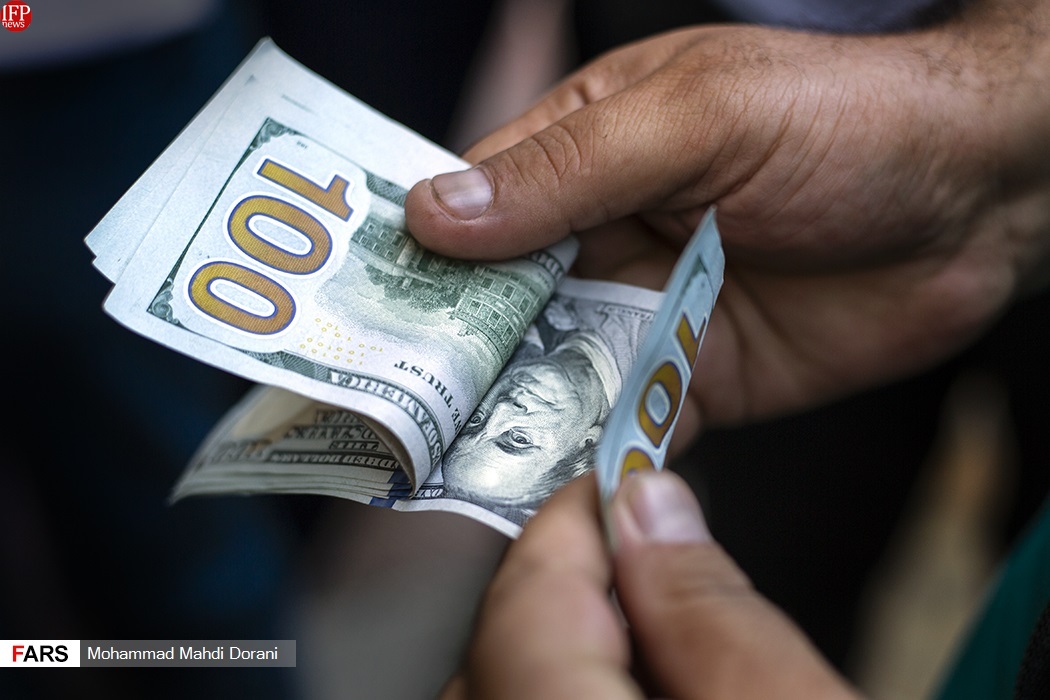
The rial has experienced significant fluctuations against major foreign currencies, particularly the US dollar, putting pressure on businesses and consumers already struggling with inflation and economic sanctions. Market analysts suggest the currency’s latest decline reflects both domestic economic challenges and geopolitical tensions.
Pourjamshidian emphasized that recent exchange rate movements stem primarily from market psychology and speculative behavior rather than actual currency shortages or economic fundamentals. This assessment aligns with the government’s consistent position that external forces are attempting to manipulate Iran’s economy.
“Psychological warfare should not be allowed to disrupt the market,” the security official warned, suggesting that foreign actors are actively trying to exploit Iran’s economic vulnerabilities to create social unrest.
The comments come as scattered protests by shopkeepers and market traders have emerged in several urban centers, particularly in Tehran’s traditional bazaar, a historically significant economic and political barometer. Some merchants have temporarily closed their shops in response to pricing uncertainties caused by exchange rate fluctuations.
Iran’s economy has faced persistent challenges since the reimposition of US sanctions following America’s withdrawal from the nuclear agreement in 2018. The sanctions have restricted Iran’s oil exports, limited its access to international banking systems, and complicated import-export operations for Iranian businesses.
Despite these difficulties, Pourjamshidian sought to reassure the public that Iran faces no shortage of essential goods or supplies. “Market activity should continue calmly, and the public has no reason for concern,” he stated, urging traders and shopkeepers to demonstrate patience while authorities work to stabilize the currency market.
Economic experts note that Iran’s Central Bank has previously intervened in the foreign exchange market to stem volatility, including injecting foreign currency reserves and implementing restrictive measures on currency trading. It remains unclear whether similar interventions are currently being considered.
The government’s response reflects its ongoing challenge of balancing economic realities with political messaging. While officials publicly downplay the severity of the situation and attribute problems to external actors, the Iranian government has also implemented various economic reforms to address structural issues in its economy.
Pourjamshidian’s appeal for public cooperation highlights the authorities’ concern that economic grievances could transform into broader political dissent, a pattern seen in previous periods of economic hardship in the country.
“Government officials and parliament are fully committed to stabilizing the market,” he emphasized, calling on citizens to remain vigilant against what he described as “enemy inducements” designed to exploit economic frustrations.
Financial analysts observe that restoring confidence in the currency market will likely require more than reassurances, potentially necessitating concrete policy actions to address underlying economic imbalances, including high inflation, budget deficits, and banking sector weaknesses.
For ordinary Iranians, the currency volatility translates to practical difficulties in daily life, including rising prices for imported goods and uncertainty in business planning, adding urgency to the government’s efforts to achieve economic stability.
Fact Checker
Verify the accuracy of this article using The Disinformation Commission analysis and real-time sources.

14 Comments
The currency volatility and economic challenges faced by Iran are certainly concerning. I hope the government is able to take effective measures to stabilize the rial and provide relief to businesses and consumers.
Me too. Blaming external factors may score political points, but it won’t solve the underlying economic problems. Tangible action is needed to restore confidence and get the Iranian economy back on a more stable footing.
The rial’s decline against major currencies like the US dollar is certainly concerning for Iranian businesses and consumers already dealing with high inflation and sanctions. Wonder what specific steps the government plans to take to resolve these problems.
Yes, the currency instability is just compounding the economic hardships facing Iran. The government’s assurances seem aimed at calming public fears, but actions will speak louder than words.
The currency volatility must be a major headache for Iranian businesses and consumers. I wonder if the government will have to take more drastic measures to stabilize the rial and shore up the economy.
You’re right, the rial’s sharp depreciation is likely causing significant hardship. It remains to be seen if the government’s efforts to calm the market will have a meaningful impact, or if deeper reforms are needed.
It’s interesting to see the Iranian government trying to downplay the economic issues by citing “psychological factors” rather than more substantive concerns. I wonder if they have a credible plan to address the currency volatility and its impacts.
Agreed, their framing of the problem as mostly psychological feels like an oversimplification. The real test will be whether they can take meaningful steps to stabilize the rial and provide relief to businesses and consumers.
Interesting that the Iranian government is blaming “hostile propaganda” for the rial’s woes rather than underlying economic issues. Curious to see how they plan to address the currency volatility and public concerns.
Agreed, the claim of “psychological factors” seems like an attempt to deflect from deeper economic challenges. We’ll have to see if their efforts to stabilize the market have any real impact.
It’s telling that the Iranian official is quick to blame “hostile propaganda” rather than acknowledge the deeper structural issues impacting the economy. Curious to see if they can regain control of the currency markets.
Agreed, scapegoating propaganda is a convenient way to avoid addressing the fundamental economic challenges. I’m skeptical their efforts to “resolve the problems” will prove effective in the long run.
Blaming “hostile propaganda” rather than addressing the real economic drivers behind the rial’s decline seems like an attempt to shift blame rather than tackle the problem head-on. Curious to see if the government can regain control of the situation.
Agreed, the propaganda claim feels like political posturing rather than a serious policy response. The government will need to take concrete steps to shore up the currency and alleviate the economic pain being felt by citizens.