


Listen to the article
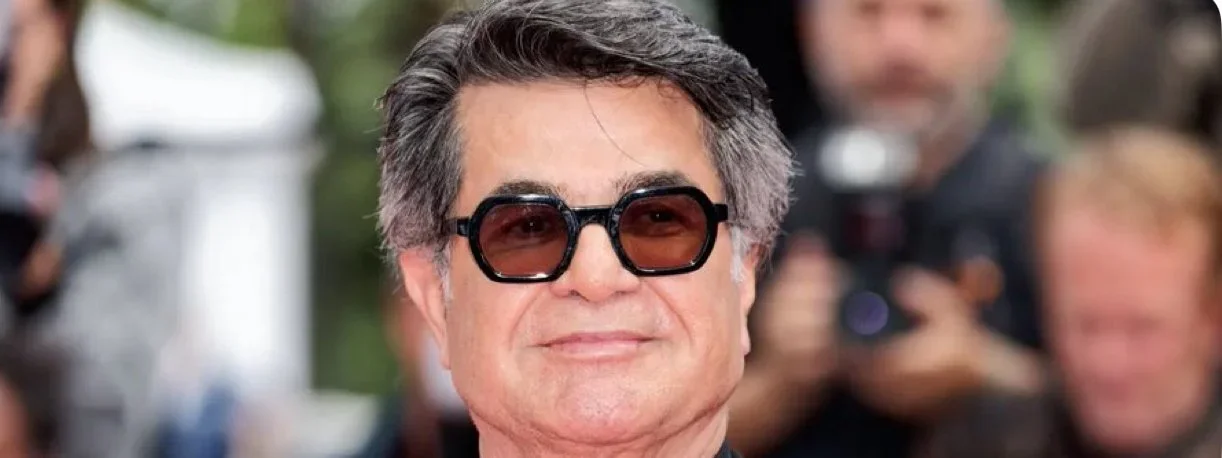
Iranian filmmaker Jafar Panahi, fresh from winning the prestigious Palme d’Or at Cannes Film Festival, faces a looming trial in his homeland. The acclaimed director is scheduled to appear before Branch 26 of Tehran’s Revolutionary Court on January 4, 2026, according to reports from independent journalist Mansour Jahani.
Attorney Mostafa Nili revealed on social media platform X that Panahi faces charges of “propaganda activities against the regime,” presumably stemming from the political themes in his award-winning film “It Was Just An Accident.” The case represents the latest chapter in the ongoing tensions between Iran’s artistic community and its government authorities.
This isn’t Panahi’s first encounter with Iran’s judicial system. In December, Tehran’s Islamic Revolutionary Court already sentenced the director in absentia to one year in prison. The ruling also included a two-year travel ban preventing him from leaving the country and prohibitions against joining political and social organizations.
Despite the legal peril awaiting him at home, Panahi, who is currently in the United States promoting his film for awards consideration, has confirmed he has no intention of seeking asylum abroad. Instead, the director plans to return to Tehran after the conclusion of the Oscar season, fully aware that imprisonment likely awaits him.
“It Was Just An Accident” has positioned itself as a frontrunner in the upcoming Academy Awards race, with industry analysts predicting potential nominations across several major categories including Best Picture and Best Director. Many consider it a virtual lock to win Best International Feature, which would mark a significant achievement for Iranian cinema on the global stage.
The possibility of Panahi winning an Oscar only to voluntarily return to Iran to face imprisonment presents a striking juxtaposition that underscores the complicated relationship between art, politics, and personal sacrifice. While most individuals in similar circumstances might avoid returning to such a precarious situation, Panahi appears determined to face whatever consequences await him in his homeland.
The film itself was created under extraordinary circumstances, shot clandestinely in Iran last year without official government authorization. The production process was fraught with danger, with reports indicating that several crew members were detained or questioned by authorities during filming. According to some accounts, arrests occurred after just a single day of production, highlighting the significant risks involved in creating politically charged content in Iran.
Panahi’s decision to proceed with the project despite these dangers speaks to his commitment to artistic expression regardless of potential personal cost. His situation exemplifies the broader struggles faced by filmmakers working under restrictive regimes worldwide, where creative freedom often collides with governmental control.
The case has drawn international attention to Iran’s treatment of artists and filmmakers, particularly those whose work challenges or criticizes aspects of the current political system. Human rights organizations and film industry associations have repeatedly expressed concern about the restrictions placed on creative expression in the country.
Panahi has previously faced legal troubles in Iran, including a 2010 sentence banning him from filmmaking for 20 years. Despite this prohibition, he has continued to create works that have garnered international acclaim, often focusing on social and political issues within Iranian society.
As the trial date approaches, the international film community watches closely, aware that Panahi’s case represents not just one filmmaker’s struggle but broader questions about artistic freedom, political expression, and the personal sacrifices some artists make to tell stories they believe must be told.
Fact Checker
Verify the accuracy of this article using The Disinformation Commission analysis and real-time sources.

7 Comments
This is a disappointing development. Panahi has faced persecution from Iranian authorities for years simply for making films that challenge the status quo. I hope he is able to mount a strong legal defense.
It’s concerning to see Iran cracking down on prominent filmmakers like Jafar Panahi. Artistic freedom of expression is essential, and these charges seem to be politically motivated. I hope the international community closely monitors this case.
You’re right, this appears to be part of a broader pattern of Iranian authorities stifling creative voices that are critical of the regime. The travel bans and prison sentences are deeply troubling.
The Iranian government’s prosecution of Jafar Panahi is a clear attempt to silence a respected artistic voice. I hope the international outcry over this case can pressure Tehran to drop these baseless charges.
I’m curious to learn more about the specific charges against Panahi and the political themes in his award-winning film. Censorship of artistic voices is troubling, especially for a director of his caliber.
Yes, the case highlights the ongoing tensions between Iran’s government and its creative community. It will be important to follow the trial proceedings closely.
This is deeply concerning. Jafar Panahi is an acclaimed filmmaker known for his nuanced, critical portrayals of Iranian society. Prosecuting him for ‘propaganda’ is a worrying sign of the government’s intolerance for artistic expression.