


Listen to the article
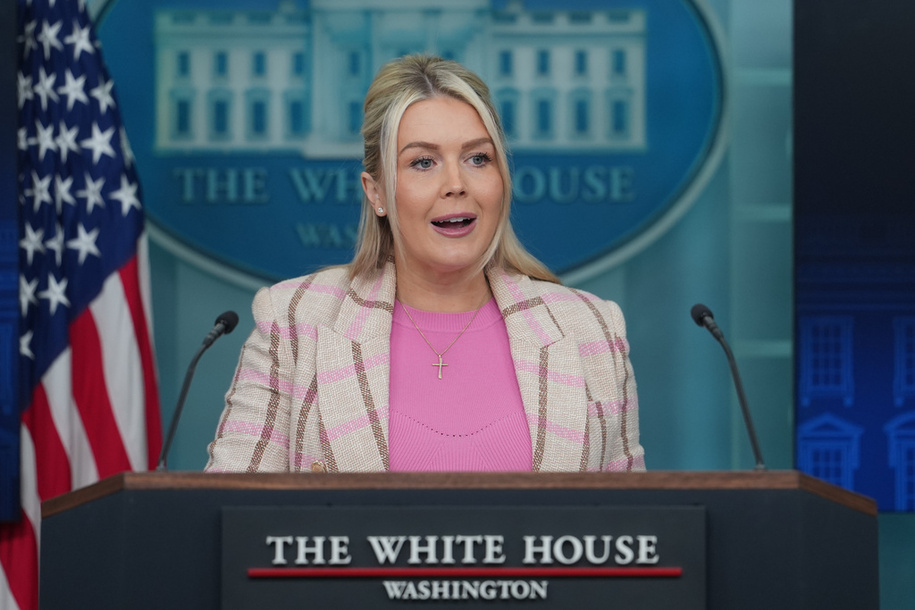
In a tense White House press briefing on Tuesday, Press Secretary Karoline Leavitt faced pointed questions about the ongoing Iran conflict, providing limited information and pushing back against media inquiries on several key issues.
When questioned about a Reuters report indicating approximately 150 U.S. troops have been wounded since the start of hostilities with Iran, Leavitt declined to provide specific numbers, saying only that the figure was “within that ballpark.” The vague confirmation comes amid growing concerns about the toll of the military engagement, which has faced mounting criticism from both international allies and domestic observers.
The press secretary offered little clarity when pressed on President Trump’s decision-making process for initiating the conflict. “This was a feeling the president had based on facts,” Leavitt stated. “Facts provided to him by his top negotiators who had been engaged with the Iranian regime in a good faith effort.” The explanation left many questions unanswered about the specific intelligence or diplomatic breakdowns that led to military action.
Tensions escalated during the briefing when reporters raised questions about a particularly devastating incident in Minab, Iran, where bombing of a girls’ school reportedly resulted in 168 children killed. When asked about the administration’s investigation into what some international observers have characterized as a potential war crime, Leavitt responded defensively.
“We’re not gonna be harassed by The New York Times,” she said, suggesting the newspaper had published numerous articles on the incident. The sharp response comes as international humanitarian organizations and several U.S. allies have called for an independent investigation into civilian casualties resulting from U.S. military operations in Iran.
The contentious briefing also addressed the administration’s recent decision to ease sanctions on Russian oil, which has raised eyebrows given the timing amid soaring global oil prices. “Russian oil was already at sea,” Leavitt explained. “So this short-term measure—we don’t believe it will provide significant financial benefit to the Russian government at this time.”
Energy market analysts have expressed skepticism about this characterization. According to The New York Times reporting, the decision to lift certain sanctions comes at a particularly opportune moment for Moscow, potentially providing Russia with significant economic relief as global energy markets remain volatile due to the Iran conflict and other geopolitical tensions.
The sanctions relief decision has drawn criticism from both sides of the political aisle, with some lawmakers questioning the timing and strategic reasoning behind easing pressure on Russia while simultaneously engaging in a new military conflict in the Middle East.
The administration has faced challenges in articulating a coherent strategic vision for the Iran engagement, with approval ratings for the conflict consistently showing majority disapproval among American voters. Military experts have raised concerns about mission creep and the lack of clear objectives or exit strategy.
Throughout the briefing, Leavitt maintained the administration’s position that the military action was necessary and justified, though specific details on intelligence assessments or immediate threats that precipitated the conflict remained vague.
As casualties mount and questions continue about both the humanitarian impact and strategic objectives of the conflict, the administration faces increasing pressure to provide greater transparency about decision-making processes and long-term goals in the region. Tuesday’s briefing, characterized by defensive responses and limited information, did little to address these growing concerns.
Fact Checker
Verify the accuracy of this article using The Disinformation Commission analysis and real-time sources.

5 Comments
While I appreciate the administration’s position, I’m skeptical of the justifications provided so far. Rushing into military action without fully transparent decision-making is a risky proposition. I hope the situation can be deescalated through diplomatic means.
The lack of specifics from the press secretary is troubling. The American public deserves a clear explanation for this escalation, not vague claims about ‘facts’ and ‘good faith efforts’. I hope Congress demands more accountability.
This situation with Iran is concerning. I’m curious to hear more details from the administration on the intelligence and diplomatic efforts that led to the military action. Transparency is important during such tense times.
It’s concerning to hear about US casualties, even if the numbers are vague. This conflict seems to be taking a real human toll. I hope the administration takes steps to minimize further loss of life on all sides.
As an investor in mining and energy companies, I’m worried about the potential impact of this conflict on global commodity markets. Geopolitical instability is bad for business. I hope cooler heads can prevail to avoid further escalation.