


Listen to the article
Iranian Parliament Speaker Warns of Foreign Strategy to Destabilize Nation
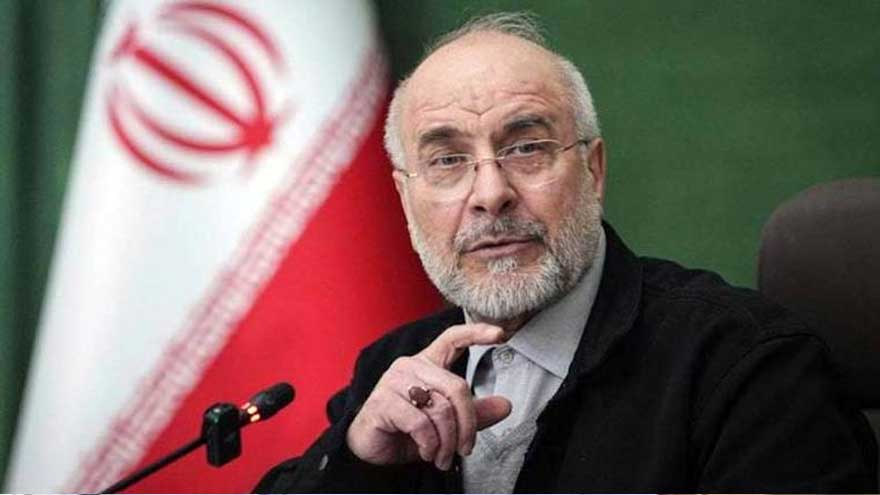
In a significant address to the nation, Iranian Parliament Speaker Mohammad Bagher Ghalibaf has issued a stark warning about what he describes as a coordinated foreign campaign designed to fracture Iran’s unity and force its capitulation.
Speaking from Tehran on Tuesday, Ghalibaf outlined what he characterized as a multi-faceted strategy being deployed against the Islamic Republic, combining naval blockades, intensified economic sanctions, and targeted media propaganda campaigns.
“The enemy is implementing a comprehensive approach aimed at destabilizing our country through various pressure points,” Ghalibaf stated. “Their ultimate goal is to weaken our national cohesion and force Iran into submission.”
The parliamentary leader, who holds one of Iran’s most powerful political positions, specifically highlighted the potential for military actions, including terrorist operations, as part of this broader strategy. He described these efforts as deliberately targeting Iranian society with the intention of eroding the country’s strength from within.
Ghalibaf’s comments come amid escalating regional tensions, particularly following Iran’s direct missile strike against Israel earlier this month and ongoing proxy conflicts throughout the Middle East. Iran has faced increasing international isolation, with expanded economic sanctions impacting its oil exports and financial systems.
The United States and European nations have recently tightened restrictions on Iranian petroleum products, while naval forces in the Persian Gulf have increased scrutiny of vessels suspected of transporting Iranian goods. These measures have contributed to inflation rates exceeding 40% in Iran and significant depreciation of the national currency.
Despite acknowledging these economic challenges, Ghalibaf emphasized the Iranian population’s continued resilience. “Even as our people face mounting financial pressures, they remain steadfast in their commitment to our national dignity, freedom, and fundamental beliefs,” he said.
Iran’s economy, heavily dependent on oil exports, has struggled under international sanctions that were reimposed following the U.S. withdrawal from the 2015 nuclear agreement under former President Donald Trump. While some sanctions relief discussions have occurred under the Biden administration, comprehensive restrictions remain in place.
The parliamentary speaker’s message appears designed to rally domestic support during a period of particular vulnerability for the Iranian regime. Recent months have seen internal unrest following the death of Mahsa Amini in 2022 and subsequent protests, creating pressure points that external adversaries might seek to exploit.
Regional analysts note that Ghalibaf’s warning reflects Tehran’s growing concern about coordinated international efforts to isolate Iran diplomatically and economically. Dr. Mehran Kamrava, Middle East expert at Georgetown University, observed that “Iranian leadership clearly perceives these pressures as existential threats to the regime’s stability, not merely policy disagreements.”
Ghalibaf concluded his address with a call for national unity, stressing that Iranians understand “the sensitivity of the current situation” and must remain resolute against external forces that he claims wrongly believe they can undermine Iran’s civilization and national identity.
The Iranian parliament, known as the Majlis, has recently advanced legislation aimed at countering foreign economic pressure, including measures to diversify trade partnerships and reduce dependence on Western financial systems. These efforts align with Iran’s “resistance economy” doctrine, developed to withstand international sanctions.
As regional tensions continue to simmer, particularly between Iran and Israel, Ghalibaf’s message signals Tehran’s intention to maintain its current geopolitical posture despite mounting pressures from multiple directions.
Fact Checker
Verify the accuracy of this article using The Disinformation Commission analysis and real-time sources.

7 Comments
As a mining investor, I’m curious to see how these geopolitical tensions could impact commodity markets, especially energy and industrial metals like copper. Ghalibaf’s warnings suggest Iran may take a harder line, which could disrupt supply chains. I’ll be watching developments closely.
The speaker seems to be painting a dire picture of foreign efforts to undermine Iran’s stability. While the concerns about sanctions and military actions are understandable, I would want to see more concrete evidence before accepting claims of a coordinated ‘comprehensive strategy’ to force Iran’s capitulation.
Good point. Rhetoric of foreign conspiracies can sometimes be used to distract from domestic challenges. A measured, fact-based assessment would be more helpful in understanding the complex geopolitical dynamics at play.
Maintaining national unity is certainly important, but the speaker’s claims of a coordinated foreign strategy to destabilize Iran seem a bit exaggerated. I’d want to see more impartial analysis before drawing conclusions about the extent and nature of any external interference.
Interesting to see the Iranian parliament speaker highlight concerns about foreign efforts to undermine national unity. While the threat of military action and sanctions is real, I wonder if the ‘comprehensive approach’ he describes is more rhetoric than reality. Reliable information is key here.
Interesting perspective from the Iranian parliament speaker. While foreign interference is certainly a concern, it’s important to be wary of claims of a coordinated ‘comprehensive approach’ to destabilize the country. Reliable, impartial analysis is needed to assess the situation objectively.
I agree, we should be cautious about claims of foreign plots, especially coming from government officials. Maintaining national unity is important, but it shouldn’t come at the expense of free and open discourse.