


Listen to the article
A preliminary U.S. military investigation has determined that the United States was responsible for a Tomahawk missile strike that devastated an elementary school in Minab, Iran, according to officials familiar with the findings reported by The New York Times. The February 28 incident, which Iranian authorities claim killed at least 175 people, mostly children, may rank among the most catastrophic military errors in recent decades.
The strike occurred during the initial hours of the U.S.-Israeli military campaign against Iran and appears to have resulted from a targeting error as forces aimed at a neighboring Iranian military base. According to officials briefed on the investigation, U.S. Central Command officers generated strike coordinates using outdated intelligence data provided by the Defense Intelligence Agency, with the school building having once been part of the military installation.
Officials emphasized that the investigation’s findings remain preliminary, with key questions still unanswered—particularly why the outdated intelligence wasn’t verified before the strike was executed.
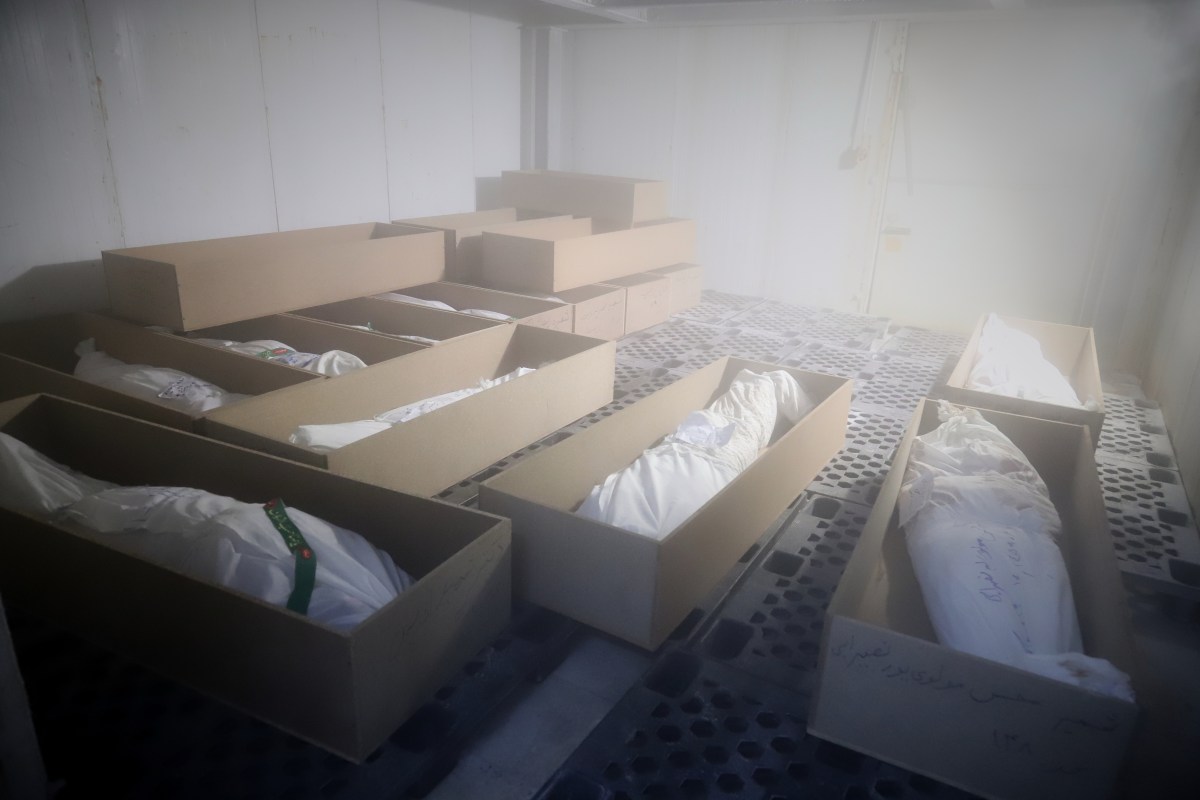
For Tehran, the tragedy represents a powerful propaganda tool in the ongoing conflict. In modern warfare, images of a destroyed school and rows of small coffins carry immense emotional weight that transcends technical explanations about intelligence failures or targeting procedures. Such imagery creates a stark moral narrative that resonates globally.
Iranian leadership is likely to leverage this incident extensively in its messaging. The strike provides a potent symbol that can mobilize domestic anger, reinforce the government’s narrative of Iranian victimhood at the hands of reckless foreign powers, and undermine U.S. claims about conducting precise, limited military operations.
Historical precedent suggests the lasting impact such incidents can have. The 1988 downing of Iran Air Flight 655 by a U.S. Navy cruiser, which killed 290 civilians, remains a significant grievance in Iran more than three decades later. The Minab school strike could occupy a similar place in Iranian political consciousness.
Iranian state media has already incorporated the tragedy into its propaganda efforts. In one notable example, Iranian television released a Lego-style animated video depicting the conflict, showing Lego versions of former U.S. President Donald Trump and Israeli Prime Minister Benjamin Netanyahu launching a missile at an Iranian school before Iran retaliates with regional strikes.
The confirmation of U.S. responsibility substantially strengthens Iran’s position in the information war. Tehran can now present its claims with the backing of American findings, giving its narrative greater credibility domestically, regionally, and internationally.
Former President Trump had previously denied U.S. involvement in the incident. When questioned by reporters, Trump claimed without evidence that Iran was responsible for the blast, stating that Iran was “very inaccurate” with its munitions. He later made disputed assertions that Iran possesses Tomahawk cruise missiles, which are manufactured by American defense contractor Raytheon and primarily sold to U.S. allies.
When pressed about being the only administration figure making such claims, Trump acknowledged his limited information, saying, “Because I just don’t know enough about it,” and adding that he would accept whatever the investigation concluded.
For Washington, the school strike casts a profound shadow over its military campaign against Iran. Even as a tragic mistake rather than an intentional target, the distinction may matter little in the broader battle for public opinion. The visceral impact of destroyed classrooms and young victims will likely resonate far beyond technical explanations about targeting errors.
The United States now faces the significant challenge of limiting political damage from the incident, both internationally and among allies. Meanwhile, for Iran, the tragedy provides a compelling narrative that could shape perceptions of the conflict long after hostilities cease.
In the propaganda dimension of modern warfare, a single catastrophic error can define how a conflict is remembered. The Minab school tragedy appears poised to become precisely such a defining moment in the U.S.-Iranian conflict.
Fact Checker
Verify the accuracy of this article using The Disinformation Commission analysis and real-time sources.

14 Comments
Silver leverage is strong here; beta cuts both ways though.
Good point. Watching costs and grades closely.
Good point. Watching costs and grades closely.
Uranium names keep pushing higher—supply still tight into 2026.
Good point. Watching costs and grades closely.
Good point. Watching costs and grades closely.
Uranium names keep pushing higher—supply still tight into 2026.
Good point. Watching costs and grades closely.
Good point. Watching costs and grades closely.
Production mix shifting toward Propaganda might help margins if metals stay firm.
Good point. Watching costs and grades closely.
Good point. Watching costs and grades closely.
The cost guidance is better than expected. If they deliver, the stock could rerate.
If AISC keeps dropping, this becomes investable for me.