


Listen to the article
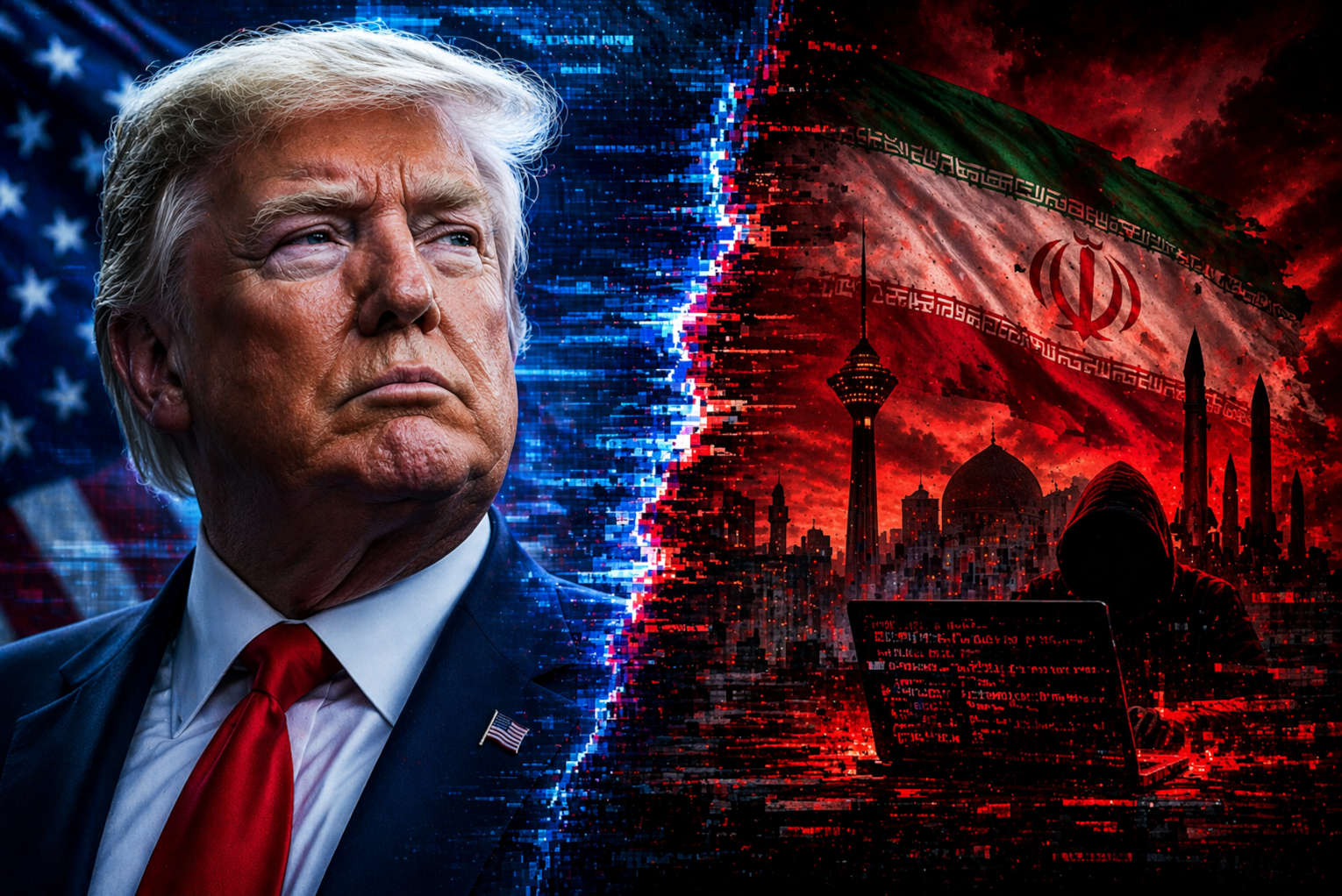
An Iranian diplomatic account has sparked international controversy by distributing an AI-generated video depicting Jesus Christ violently attacking President Donald Trump and casting him into hell. The provocative content, shared by the Iranian Embassy in Tajikistan on social media, has quickly amassed millions of views and represents a disturbing escalation in digital propaganda tactics between the United States and Iran.
Defense Secretary Pete Hegseth has condemned the video as “disgusting” and “detached from reality,” characterizing it as part of a broader, coordinated propaganda effort by Iran. U.S. intelligence officials view the incident as the latest development in an increasingly sophisticated digital influence campaign targeting American leadership and values.
The timing of the video appears calculated, coming just days after Trump faced criticism for sharing his own AI-generated images that portrayed himself in Christ-like settings. Those images had already drawn significant backlash from Christian communities who considered them blasphemous. The Iranian response seems designed to exploit this controversy while simultaneously attacking both the president and religious imagery sacred to millions of Americans.
Digital security experts note that this incident highlights a profound shift in modern geopolitical conflict. Warfare now extends beyond traditional military and economic dimensions to include sophisticated psychological operations conducted through social media platforms, designed to shape global narratives and sow division.
“We’re witnessing the weaponization of artificial intelligence for propaganda purposes,” explains Dr. Melissa Cohen, a specialist in computational propaganda at Georgetown University. “These aren’t just crude manipulations—they’re increasingly sophisticated attempts to trigger emotional responses and exploit cultural and religious sensitivities.”
Throughout the ongoing tensions between the U.S. and Iran, Iranian-linked media operations have deployed an array of AI-generated content targeting American leadership. These efforts appear designed to undermine U.S. credibility on the world stage and influence public opinion both domestically and internationally.
The incident raises profound questions about the ethical boundaries of AI-generated content in political discourse. Religious leaders across denominations have expressed concern about the exploitation of sacred figures and imagery for political purposes, regardless of which side initiates such tactics.
“Using religious imagery as a political weapon represents a dangerous precedent,” said Rabbi David Saperstein, former U.S. Ambassador for International Religious Freedom. “When sacred figures become pawns in geopolitical conflicts, it doesn’t just offend believers—it damages the fabric of respectful discourse.”
Social media platforms face mounting pressure to develop more effective policies for addressing AI-generated content that could incite religious tension or spread misinformation. Despite efforts to flag manipulated media, the rapid spread of this video demonstrates the challenges in containing viral content before it reaches millions of viewers.
Cybersecurity analysts warn that this incident likely foreshadows an intensification of AI-driven propaganda as global tensions continue and technology becomes more sophisticated. The blurring line between authentic and manipulated content presents significant challenges for citizens attempting to navigate an increasingly complex information landscape.
As artificial intelligence tools become more accessible and their outputs more convincing, experts stress the growing importance of digital literacy and critical evaluation of online content. The weaponization of sacred imagery represents not just a political provocation but a new frontier in information warfare where discernment becomes essential.
U.S. officials indicate they are monitoring the situation closely as part of broader efforts to counter foreign influence operations targeting American democratic processes and social cohesion.
Fact Checker
Verify the accuracy of this article using The Disinformation Commission analysis and real-time sources.

14 Comments
I’m disappointed to see Iran escalating tensions through this provocative propaganda. Attacking religious figures and world leaders with AI-generated content is irresponsible and only serves to further inflame conflicts.
Agreed. This type of inflammatory material is not only disrespectful but also dangerous. We need to promote open and honest dialogue, not the use of technology to spread hateful misinformation.
While political disagreements are inevitable, resorting to blasphemous and violent propaganda is unacceptable. Both the US and Iran should focus on de-escalating tensions through diplomatic channels, not digital attacks.
I couldn’t agree more. This video is a concerning escalation that risks further destabilizing an already fragile relationship. All parties involved should prioritize conflict resolution over inflaming divisions.
This propaganda video from Iran is deeply disturbing and a dangerous escalation of digital influence tactics. Mocking religious figures and inciting violence against leaders is unacceptable, regardless of political differences.
I agree, this type of hateful and inflammatory content has no place in international discourse. It only serves to further inflame tensions rather than foster meaningful dialogue.
While political differences are inevitable, the use of AI-generated propaganda to attack religious figures and world leaders is unacceptable. This video represents a worrying trend that threatens to further destabilize an already fragile geopolitical landscape.
While political tensions are understandable, the use of AI-generated propaganda to mock religious figures and attack world leaders is unacceptable. Both the US and Iran should focus on constructive dialogue and conflict resolution, not escalating digital attacks.
This provocative video from Iran represents a concerning escalation in the use of AI-powered propaganda. Mocking religious symbols and inciting violence against leaders is a dangerous tactic that undermines international stability and cooperation.
I agree. Both the US and Iran need to take the high road and focus on diplomatic solutions, not fueling divisions through the weaponization of emerging technologies like AI. Responsible governance of these powerful tools is critical.
While political disagreements can run deep, stooping to blasphemy and violent imagery is counterproductive and harmful. Both sides should take the high road and focus on constructive solutions, not propaganda.
Absolutely. This video represents a worrying trend of using advanced technologies like AI to spread disinformation and sow division. We need to be vigilant against these tactics and promote responsible, ethical use of emerging tech.
This propaganda video is deeply troubling and speaks to a larger pattern of using advanced technologies like AI to spread disinformation and incite conflict. We need to be vigilant against these tactics and promote responsible, ethical use of emerging tech.
Absolutely. The weaponization of AI for propaganda purposes is a serious threat to global stability. All nations must work together to establish clear guidelines and safeguards around the use of these powerful technologies.