


Listen to the article
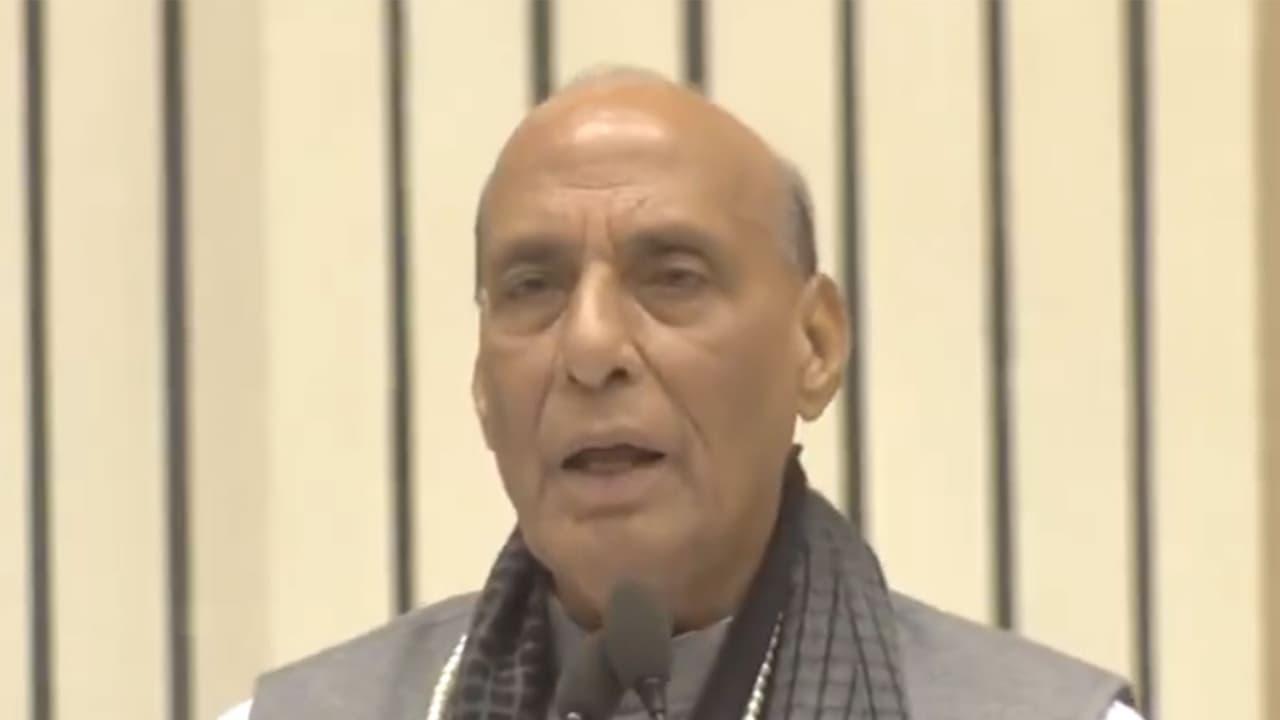
The Press Information Bureau (PIB) has issued a fact-check debunking a digitally manipulated video of Defence Minister Rajnath Singh that has been circulating on social media platforms. The doctored video, primarily shared by Pakistani propaganda accounts, falsely portrayed Singh as supporting Israel’s recent military actions against Iran.
The PIB categorically denied any such statement from the Defence Minister and shared the original unaltered clip to demonstrate the deception. In their official statement, the fact-check unit emphasized that Singh has made no comments endorsing the ongoing conflict and warned the public to remain vigilant against such deliberate misinformation campaigns targeting India.
“A digitally manipulated video of Defence Minister Rajnath Singh is being circulated online by Pakistani propaganda accounts, falsely claiming that he made remarks supporting Israel’s attack on Iran,” the PIB stated on its social media channels. The bureau urged citizens to verify information from official sources before sharing potentially misleading content.
This incident comes amid rapidly escalating tensions in West Asia following Israel’s killing of Iranian Supreme Leader Ayatollah Syed Ali Khamenei. The assassination has triggered a series of retaliatory actions from Iran, including launches of ballistic missiles and drones targeting U.S. military assets and allies throughout the region.
India has consistently advocated for peace and stability in the region, maintaining its traditional diplomatic stance of calling for de-escalation through dialogue rather than military confrontation. As a country with significant economic interests in the Middle East and a substantial expatriate population residing in the region, India has substantial stakes in the restoration of calm.
The disinformation effort appears to be part of a broader campaign to misrepresent India’s position on the conflict and potentially create diplomatic complications. Intelligence analysts note that such digital manipulation tactics have become increasingly sophisticated, making verification increasingly important for media consumers.
Meanwhile, the conflict continues to intensify. The United States Central Command (CENTCOM) reported conducting sustained operations targeting key Iranian military infrastructure, including facilities linked to the Islamic Revolutionary Guard Corps. These operations have reportedly destroyed command and control centers, air defense capabilities, missile and drone launch sites, and military airfields.
“We will continue to take decisive action against imminent threats posed by the Iranian regime,” CENTCOM stated in a recent communication.
In a parallel development, Iran claims to have conducted a “massive missile and drone” attack on a U.S. air base in Bahrain. According to Iranian sources, 20 drones and three missiles struck the Sheikh Isa base, reportedly destroying the main command building and setting fuel tanks ablaze. However, these claims have not been independently verified.
The widening scope of the conflict has now drawn in Gulf States that had previously sought to maintain neutrality, raising concerns about regional stability and global energy supplies. Oil prices have shown volatility in response to the escalation, reflecting market anxiety about potential disruptions to critical shipping lanes in the Persian Gulf.
The circulation of misleading content regarding India’s position highlights the complex information environment surrounding international conflicts. Security experts warn that disinformation campaigns often aim to create confusion, exacerbate tensions, and undermine diplomatic efforts at conflict resolution.
The PIB’s prompt fact-checking response demonstrates the increasing importance of official verification mechanisms in countering cross-border disinformation campaigns that seek to exploit international crises for strategic advantage.
Fact Checker
Verify the accuracy of this article using The Disinformation Commission analysis and real-time sources.

14 Comments
The Defense Ministry’s quick action to debunk the fabricated video is commendable. Fact-checking and calling out such blatant propaganda efforts is critical in today’s information landscape.
Concerning to see attempts at spreading disinformation around such sensitive geopolitical issues. Glad the Indian government is quickly debunking these fabricated videos and urging the public to verify information from official sources.
Absolutely, maintaining transparency and fact-checking is crucial, especially on matters of national security. Kudos to the Indian authorities for their swift response.
The Indian authorities’ prompt response in debunking the fabricated video and urging the public to verify information is commendable. Maintaining transparency and fact-checking is crucial in the face of such propaganda attempts.
Concerning to see such blatant attempts at spreading misinformation. The Indian Defense Ministry’s response in debunking the fabricated video and urging the public to verify information is a responsible approach.
It’s alarming to see the extent of misinformation campaigns targeting India. The government’s transparency in addressing this issue and urging the public to verify information is a responsible approach.
Agreed. Tackling the spread of disinformation head-on, rather than ignoring it, is the best way to maintain public trust and prevent further escalation.
This kind of misleading propaganda can be quite damaging, sowing seeds of mistrust and discord. It’s reassuring that the Indian Defense Ministry is taking a firm stand against these falsehoods.
Agreed. Vigilance and fact-based communication are essential to counter the spread of disinformation, which can have serious geopolitical implications.
Fabricated videos and propaganda can be highly damaging, especially in sensitive geopolitical contexts. The Indian government’s swift action to address this issue is commendable.
Absolutely. Maintaining transparency and fact-based communication is crucial in countering the spread of disinformation and misinformation.
The government’s swift action in addressing this issue and calling out the fabricated video is a positive step. Maintaining transparency and fact-checking is essential in the face of such propaganda efforts.
Agreed. Proactive engagement and fact-based communication are key to countering the spread of disinformation and misinformation, especially on sensitive national security matters.
This incident highlights the need for vigilance against manipulated media and the importance of relying on official government sources. Kudos to the Indian authorities for their prompt response.