


Listen to the article
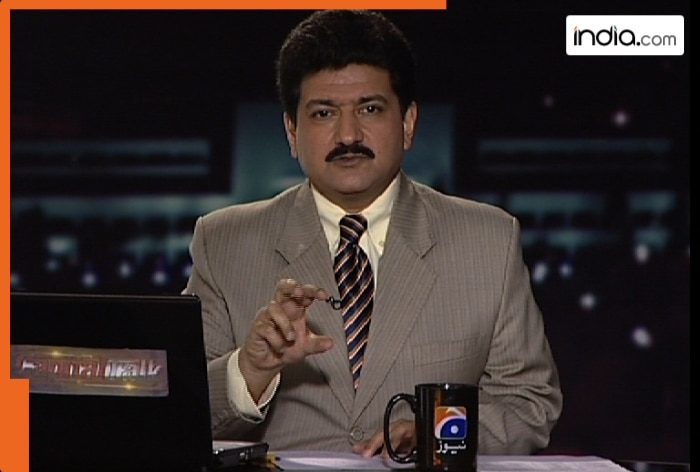
In a significant diplomatic clash, the French Navy has publicly refuted claims made by Pakistani media outlets regarding statements about a supposed air conflict between Pakistan and India. The controversy erupted when Pakistan’s Geo News and prominent journalist Hamid Mir alleged that a senior French naval officer had acknowledged Pakistani air superiority over India during a recent military engagement.
The French Navy, officially known as Marine Nationale, issued a forceful statement denouncing the reports as “fake news,” stating that the purported statements attributed to Captain Launay were never authorized and contained “a significant amount of misinformation, false information, and disinformation.”
According to the original claims broadcast on Geo News, a French naval commander had allegedly confirmed that the Pakistan Air Force successfully shot down multiple French-made Rafale fighter jets during recent border tensions following the Pahalgam terror attack. The Pakistani outlet further claimed that the French officer had praised Pakistan’s air strategy as “superior” to India’s, despite Pakistan using Chinese-manufactured J-10C fighter aircraft.
The fabricated account gained rapid traction across Pakistani social media platforms, where it was celebrated as a national victory and validation of Pakistan’s military capabilities by a NATO member nation.
This incident marks the latest chapter in the ongoing information warfare between the two South Asian nuclear powers. Military analysts note that false claims about aerial victories have become a recurring pattern in regional tensions, with both sides occasionally resorting to exaggerated or fabricated accounts of military engagements to boost domestic morale.
The Rafale fighter jet has been a focal point in India-Pakistan military rivalries since India finalized a €7.87 billion deal with France in 2016 to purchase 36 of the advanced multi-role combat aircraft. The first batch of Rafale jets arrived in India in July 2020, significantly enhancing the Indian Air Force’s tactical capabilities.
Defense experts point out that such misinformation campaigns can have serious diplomatic repercussions. France, as a major defense partner to India and the manufacturer of the Rafale jets, maintains sensitive military relationships in the region. False attributions to French military officers could potentially strain these carefully balanced relationships.
The swift rebuttal from Marine Nationale underscores France’s concern about being unwittingly drawn into South Asian rivalries through manipulated statements. The French Navy’s unusual step of directly addressing the false reporting demonstrates the seriousness with which European powers view information integrity in volatile regions.
This incident also highlights the challenges faced by international media consumers in distinguishing authentic military information from propaganda, particularly in regions with ongoing conflicts where national media often aligns closely with state narratives.
Military tensions between India and Pakistan have remained elevated since the 2019 Pulwama attack and subsequent Balakot airstrike, with periodic flare-ups along the contested Line of Control. Both nations routinely accuse each other of ceasefire violations and terrorist infiltration attempts.
As this latest misinformation incident demonstrates, the battle for narrative control remains a significant component of the broader geopolitical competition between the two South Asian neighbors, with international actors increasingly finding themselves unwilling participants in regional information warfare.
Fact Checker
Verify the accuracy of this article using The Disinformation Commission analysis and real-time sources.

17 Comments
This diplomatic clash underscores the need for journalists to exercise caution and diligence when reporting on military matters. The French Navy’s swift action to correct the record is a welcome step in maintaining transparency and accuracy in reporting.
The French Navy’s swift response to refute the Pakistani media’s claims is a commendable effort to uphold the integrity of military reporting. Verifying information and avoiding the spread of propaganda should be a top priority for journalists.
The French Navy’s refutation of the Pakistani media’s claims is a testament to the importance of verifying information and avoiding the propagation of disinformation, especially in the context of military and geopolitical affairs. Responsible journalism is crucial in such sensitive situations.
This highlights the need for caution when it comes to reporting on military operations and capabilities. Unverified claims can quickly spiral into propaganda. It’s good to see the French Navy take a firm stance against the false information.
This diplomatic clash over the Rafale aircraft claims is a stark reminder of the need for meticulous fact-checking and verification, especially when it comes to sensitive military matters. The French Navy’s denial is a clear signal that the original reports were inaccurate.
This incident highlights the importance of maintaining a clear and transparent communication channel between military forces and media outlets. Spreading unverified information can undermine trust and have serious consequences.
Absolutely. Open and honest communication between the military and media is essential for accurate reporting and preventing the spread of disinformation.
This incident highlights the delicate nature of military and diplomatic relations, and the need for clear and transparent communication to avoid the spread of misinformation. The French Navy’s swift response is a commendable effort to maintain factual reporting.
Interesting diplomatic clash over the claims about the French-made Rafale jets. It’s important to have accurate information and not spread disinformation, especially on military matters. The French Navy’s quick response to refute the Pakistani media reports seems appropriate.
The French Navy’s denial of the Pakistani media’s claims is a clear indication that the original reports were likely fabricated or exaggerated. It’s crucial that military and diplomatic matters are reported accurately to avoid escalating tensions.
This incident underscores the need for responsible and fact-based journalism, particularly when it comes to reporting on military operations and capabilities. Spreading unverified claims can have serious diplomatic and strategic implications.
Agreed. Journalists should exercise caution and rigorously verify information before publishing, especially on sensitive topics like this.
The French Navy’s denial of the purported statements is a clear indication that the original reports were likely fabricated or exaggerated. Maintaining transparency and truthfulness is crucial, especially in the context of military and geopolitical tensions.
The French Navy’s strong rebuke of the Pakistani media’s claims is a testament to the importance of verifying information before reporting it, especially on sensitive military and diplomatic matters. Spreading disinformation can have serious consequences.
It’s concerning to see such blatant attempts to spread misinformation and propaganda, even on military matters. The French Navy’s swift response to correct the record is a commendable effort to maintain transparency and accuracy.
The French Navy’s forceful refutation of the Pakistani media’s claims underscores the importance of responsible and ethical journalism. Spreading unverified information, especially on military issues, can have serious consequences and undermine trust.
Agreed. Journalists should be held accountable for the accuracy and integrity of their reporting, particularly on sensitive topics like this.