


Listen to the article
French authorities have ordered internet service providers to block access to several Russian media websites, marking a significant escalation in Europe’s efforts to combat what officials describe as Kremlin-backed propaganda and disinformation.
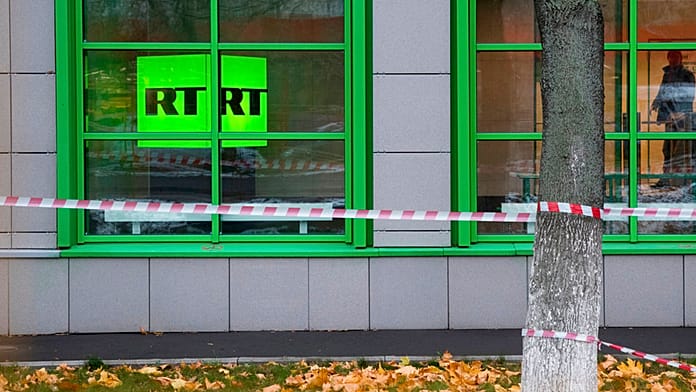
The decision, implemented this week, affects major Russian outlets including Russia Today (RT), Sputnik News, and other state-affiliated platforms that French officials say have been systematically spreading false information and narratives that undermine European security interests.
“These sites represent a direct threat to public order and democratic processes,” said a spokesperson for France’s communications regulatory authority. “The decision to block access comes after extensive monitoring revealed consistent patterns of disinformation regarding the war in Ukraine and other geopolitical issues relevant to European security.”
The move follows similar actions taken by other European Union member states since Russia’s full-scale invasion of Ukraine in February 2022. The EU had previously suspended the broadcasting activities of RT and Sputnik across the bloc, but online access remained available through various means, creating what officials described as a “digital loophole” in sanctions enforcement.
Technical implementation of the ban requires French ISPs including Orange, Free, SFR, and Bouygues Telecom to prevent their subscribers from accessing these sites directly. However, cybersecurity experts note that determined users can still circumvent such restrictions through virtual private networks (VPNs) and other technical workarounds.
Digital rights advocates have expressed concern about the precedent set by such widespread blocking. “While we understand the security concerns, website blocking represents a significant step that should be subject to robust judicial oversight,” said Marie Dumont of Digital Rights France, a civil liberties organization. “The challenge is balancing legitimate security concerns against the principles of an open internet.”
Russian officials swiftly condemned the action, with the Russian Foreign Ministry calling it “digital censorship” and an “attack on press freedom.” Moscow has threatened reciprocal measures against French media operating in Russia, potentially escalating the information war between Russia and Western nations.
The French government has defended the decision as necessary in the current geopolitical context, pointing to intelligence reports suggesting coordinated disinformation campaigns targeting upcoming European elections. “This is not about censorship but protecting our information ecosystem from deliberate manipulation by a hostile state actor,” said a senior official from the French Ministry of Interior who requested anonymity due to the sensitivity of the issue.
Media analysts note that Russia has invested heavily in its international media operations over the past decade, with RT and Sputnik operating in multiple languages and maintaining a significant presence on social media platforms despite various restrictions.
“What we’re seeing is the digitalization of conflict,” explained Professor Caroline Martin, who specializes in information warfare at Sciences Po in Paris. “Information manipulation has become a key instrument in Russia’s geopolitical strategy, particularly in Europe where it seeks to amplify social divisions and undermine support for Ukraine.”
The blocking order comes amid growing concerns about foreign interference in European democratic processes. French intelligence agencies have documented numerous instances where Russian state media amplified divisive narratives related to immigration, energy policy, and military support for Ukraine.
Internet users attempting to access these sites from French IP addresses now receive error messages or notifications explaining the legal basis for the restriction. Technical aspects of the implementation vary by provider, with some redirecting to government information pages about the ban.
The European Commission has indicated support for France’s approach, with a spokesperson noting that “member states have the responsibility to protect their information space from malicious foreign interference.” However, the Commission emphasized that any restrictions must conform to EU law on fundamental rights.
Industry observers suggest this may represent a turning point in how democratic nations address information threats, potentially leading to more comprehensive regulatory frameworks for dealing with state-sponsored disinformation operations in the digital age.
Fact Checker
Verify the accuracy of this article using The Disinformation Commission analysis and real-time sources.
