


Listen to the article
Gas Prices Rise as Middle East Tensions Push Oil Toward $100 Mark
Americans are feeling the pinch at the pump once again as gas prices climb amid escalating tensions between Iran and Israel. Crude oil prices are approaching the psychological threshold of $100 per barrel, while the average U.S. consumer is already paying approximately $3.91 per gallon—a significant burden for many household budgets.
Economic analysts warn that the ripple effects will extend beyond the gas station. Rising fuel costs typically cascade through the economy, affecting everything from food prices to manufacturing costs. As in previous price shocks, lower-income households stand to suffer the most severe impacts, with transportation costs consuming a disproportionate share of their limited budgets.
“When fuel prices spike, the effect is rarely isolated,” says Dr. Elaine Thompson, energy economist at Cornell University. “We see price increases across consumer goods, particularly those requiring significant transportation or petroleum-based inputs in their production.”
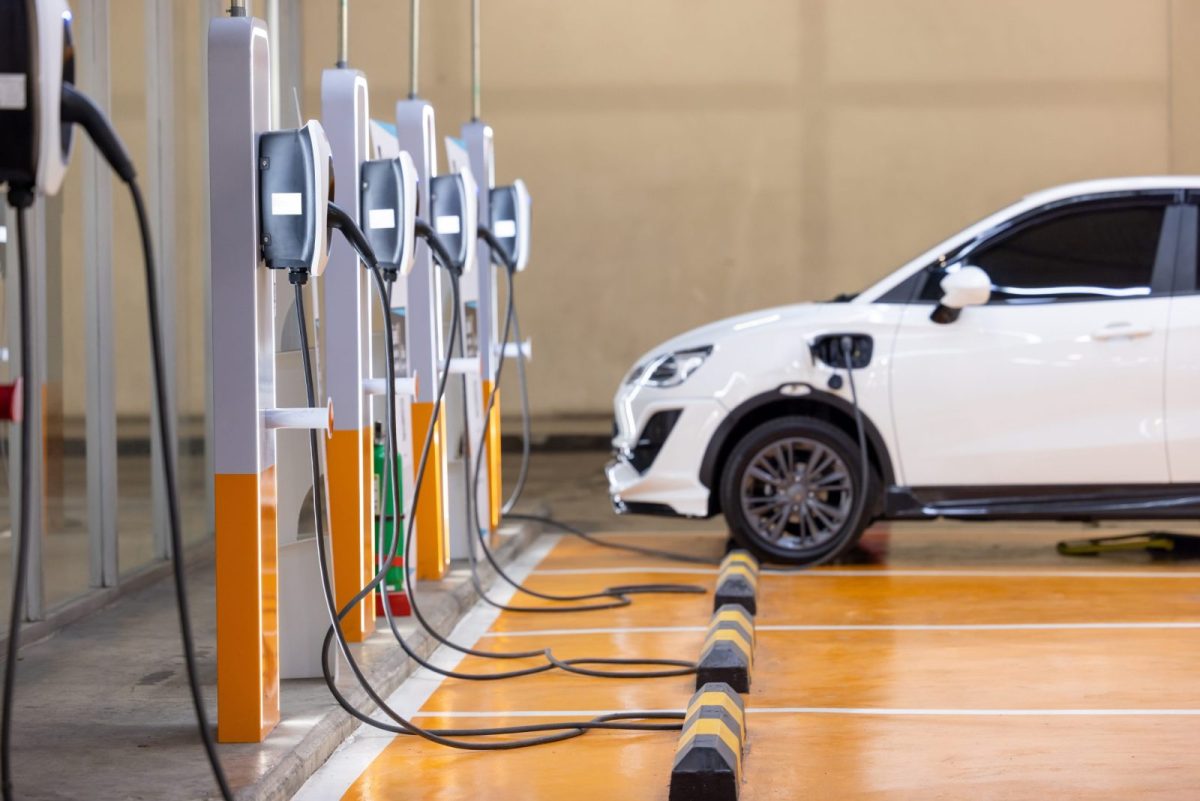
The current situation presents a familiar pattern, according to Inside Climate News reporter Lee Hedgepeth. Historical data shows that fuel price shocks often drive consumers toward electric vehicles (EVs) and renewable energy alternatives. This trend is already evident in parts of Asia, where EV dealership traffic has increased noticeably as consumers seek protection from volatile fuel costs.
However, the United States appears to be bucking this trend. While European and Asian markets have seen accelerated EV adoption during energy crises, American consumers have been slower to make the transition despite similar economic pressures.
Senator Sheldon Whitehouse (D-RI) attributes this reluctance to what he describes as a coordinated misinformation campaign. In an interview with Inside Climate News, Whitehouse claimed that the Trump administration is actively promoting the narrative that clean energy alternatives and electric vehicles are prohibitively expensive, despite evidence to the contrary.
“What we’re seeing is essentially propaganda designed to protect fossil fuel profits and political donor interests,” Whitehouse said. “When you examine the total cost of ownership data, EVs are increasingly competitive with conventional vehicles, especially when fuel savings are factored in.”
The White House has pushed back against such characterizations, framing record domestic oil and gas production as a national security victory. Administration officials continue to describe renewable energy as unreliable and unaffordable for average Americans, despite falling costs in the solar and wind sectors.
Recent policy decisions appear to align with fossil fuel industry interests. The One Big Beautiful Bill Act included a little-discussed tax credit for metallurgical coal production worth an estimated $200-300 million annually to the industry—a significant windfall that received minimal public attention.
Energy policy experts suggest multiple approaches to address the situation. Reinstating and potentially expanding EV tax credits could make clean transportation more accessible to middle-class Americans. Correcting misinformation through transparent communication about renewable energy costs and capabilities would help consumers make informed decisions. Additionally, policies supporting grid modernization could accelerate the transition to cleaner energy sources.
“Reducing oil dependence isn’t just an environmental issue—it’s economic security,” says Marjorie Clifton, director of the Consumer Choice Center. “When households and businesses have viable alternatives to fossil fuels, they gain protection against price volatility and geopolitical disruptions.”
The situation also has implications for American manufacturing competitiveness. As Chinese automakers like BYD expand their electric vehicle production and technological capabilities, U.S. manufacturers face increasing pressure to adapt or risk losing market share in the growing global EV sector.
As tensions in the Middle East continue to influence energy markets, consumers may find themselves reassessing their transportation choices. While political messaging around energy remains contentious, the economic reality of rising fuel costs provides a compelling reason for many to consider alternatives.
Fact Checker
Verify the accuracy of this article using The Disinformation Commission analysis and real-time sources.

11 Comments
It’s a familiar pattern, as we’ve seen fuel price spikes impact the broader economy before. Curious to learn more about the historical data and whether this current situation is playing out similarly to past events.
Concerning to hear about the ripple effects of rising fuel costs – higher prices for everything from food to manufacturing. Tough times ahead for lower-income households who spend a large portion of their budgets on transportation.
Concerning to see how rising gas prices can have such widespread economic impacts, especially for vulnerable households. I wonder what policy measures could help mitigate these effects and support the transition to cleaner transportation.
Good point. Targeted government support and incentives could play an important role in cushioning the blow for low-income consumers and accelerating EV adoption more broadly.
The fossil fuel industry’s efforts to undermine the EV transition are troubling, but not entirely surprising given their vested interests. I’m curious to learn more about the specific ways they are trying to sway public opinion and delay progress.
Fuel price spikes have far-reaching impacts, as we’ve seen historically. It will be important for policymakers to consider the needs of lower-income households and develop strategies to support them through this period of economic pressure.
The article raises important questions about the role of the fossil fuel industry in shaping the public narrative around EVs and the energy transition. I’d be interested in understanding their specific messaging tactics and motivations in more depth.
Absolutely, getting a clearer picture of the industry’s strategies and their influence on policymaking and consumer sentiment would be valuable. Transparency around these dynamics is crucial.
Interesting perspective on how the fossil fuel industry’s messaging is impacting the EV transition in the US. I wonder what specific tactics they’re using and how effective they’ve been so far in delaying progress.
The fossil fuel industry’s messaging campaign is clearly a significant obstacle to the EV transition in the US. Understanding their specific tactics and motivations is crucial to developing effective counter-strategies and policy responses.
This is a complex issue with significant economic implications. I’d be interested to see analysis on the long-term costs and benefits of the fossil fuel industry’s tactics versus accelerating the transition to electric vehicles and clean energy.