


Listen to the article
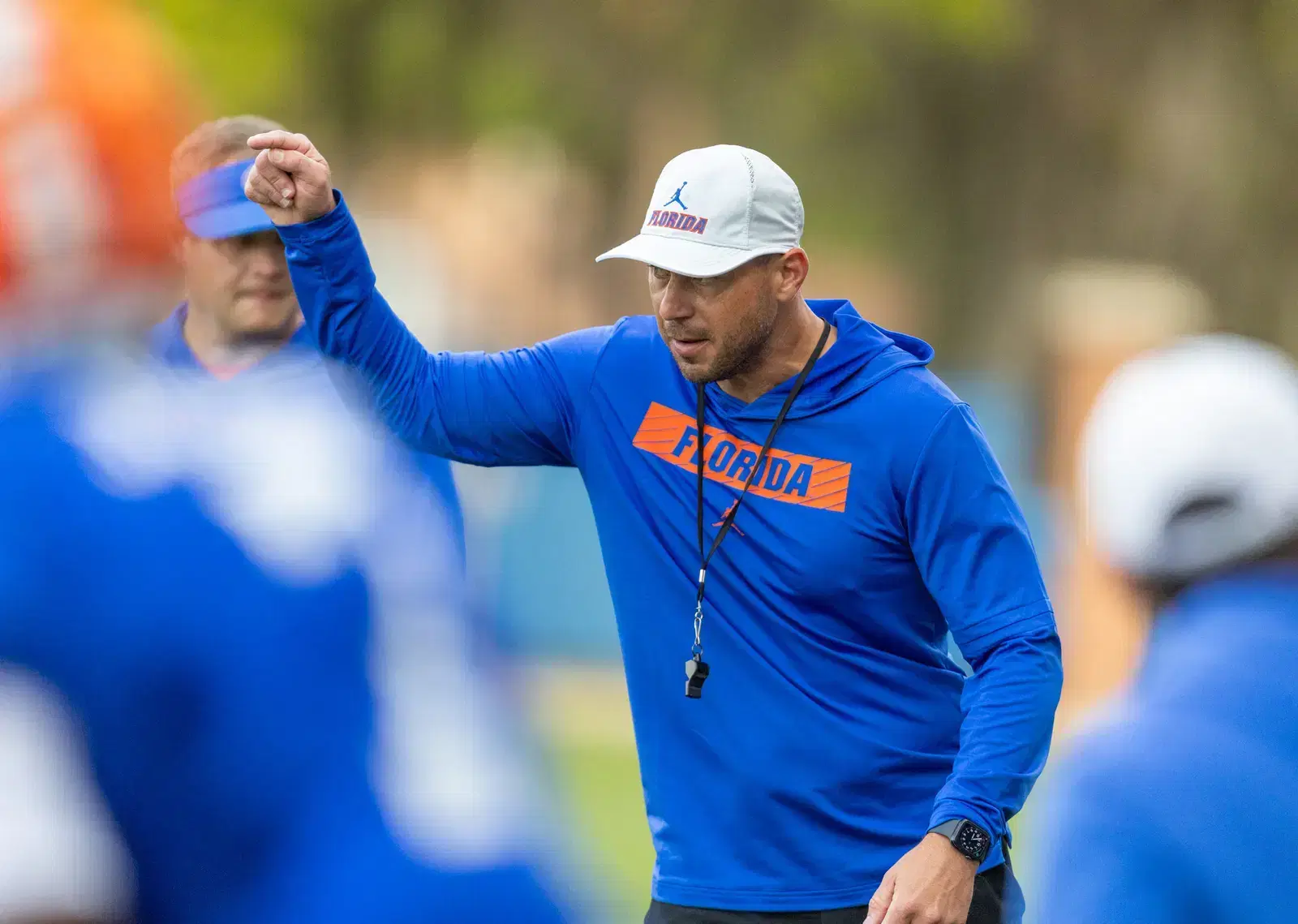
Florida football fans and media observers are expressing skepticism about the widespread praise surrounding new head coach Jon Sumrall, suggesting that not everyone is convinced by what some are calling an overly optimistic narrative about his hiring.
The debate comes as the University of Florida attempts to rebuild its football program under new leadership. Sumrall, who previously served as head coach at Troy University, was brought in to restore the Gators to their former prominence in the Southeastern Conference. However, his appointment has generated mixed reactions among the Florida faithful, with some questioning whether the enthusiasm surrounding his hire matches reality.
Critics argue that the positive coverage of Sumrall’s arrival has been excessive given his relatively limited experience at college football’s highest level. While he posted a successful record at Troy, a Group of Five program in the Sun Belt Conference, skeptics point out that success at that level does not automatically translate to the SEC, widely considered the most competitive conference in college football.
The concerns reflect broader anxieties within the Florida fanbase about the program’s direction following several disappointing seasons. The Gators have struggled to maintain the elite status they enjoyed during the Urban Meyer and Steve Spurrier eras, when they won multiple national championships and consistently competed for SEC titles. More recent coaching tenures have failed to recapture that success, leaving fans wary of yet another rebuilding project.
Sumrall’s supporters, however, point to his impressive track record of building competitive programs and developing talent. During his time at Troy, he demonstrated an ability to maximize player potential and create a winning culture. His defensive background and reputation as a strong recruiter have also been highlighted as assets that could benefit Florida’s program.
The skepticism surrounding Sumrall’s hire also reflects the high-stakes nature of coaching changes in major college football programs. Florida operates in an intensely competitive environment, both within the SEC and nationally. The conference includes perennial powerhouses like Alabama and Georgia, along with resurgent programs such as Tennessee and LSU. Meeting fan expectations in this landscape requires immediate results, something that many wonder if Sumrall can deliver.
Financial considerations add another layer to the discussion. Major coaching hires at schools like Florida involve substantial investments, including multi-million dollar contracts, facility upgrades, and recruiting budgets. When programs make these commitments, stakeholders naturally scrutinize whether they are getting appropriate value and whether the hire represents the best available option.
The debate also touches on the role of media coverage in shaping perceptions of coaching changes. Some observers suggest that positive media narratives can create unrealistic expectations, setting up coaches for failure if they cannot immediately deliver championship-caliber results. This phenomenon is not unique to Florida, but the program’s high profile and passionate fanbase amplify these dynamics.
Industry analysts note that coaching transitions in major college football have become increasingly difficult in recent years. The transfer portal, name-image-likeness compensation for athletes, and evolving recruiting landscapes have complicated the job of building and maintaining successful programs. New coaches must navigate these challenges while meeting immediate performance expectations from impatient fanbases and administrators.
The situation at Florida also reflects broader trends in college football hiring practices. Programs increasingly face pressure to make splash hires that generate excitement and boost recruiting momentum. However, these high-profile moves do not always produce desired results on the field, leading to questions about whether more measured, strategic approaches might serve programs better in the long run.
As Sumrall begins his tenure in Gainesville, he faces the dual challenge of meeting elevated expectations while implementing his vision for the program. How he handles the pressure and skepticism will likely determine whether the early doubters are proven wrong or whether their concerns were justified. For Florida fans, the coming seasons will reveal whether their new coach can deliver the success they crave or if this represents another false start in the program’s efforts to return to elite status.
Fact Checker
Verify the accuracy of this article using The Disinformation Commission analysis and real-time sources.

28 Comments
The cost guidance is better than expected. If they deliver, the stock could rerate.
Good point. Watching costs and grades closely.
Good point. Watching costs and grades closely.
Silver leverage is strong here; beta cuts both ways though.
Good point. Watching costs and grades closely.
Good point. Watching costs and grades closely.
Uranium names keep pushing higher—supply still tight into 2026.
Good point. Watching costs and grades closely.
If AISC keeps dropping, this becomes investable for me.
Good point. Watching costs and grades closely.
Good point. Watching costs and grades closely.
Interesting update on Florida: Not Everyone is Buying Jon Sumrall Hype. Curious how the grades will trend next quarter.
Good point. Watching costs and grades closely.
Good point. Watching costs and grades closely.
Exploration results look promising, but permitting will be the key risk.
Good point. Watching costs and grades closely.
Good point. Watching costs and grades closely.
Exploration results look promising, but permitting will be the key risk.
If AISC keeps dropping, this becomes investable for me.
The cost guidance is better than expected. If they deliver, the stock could rerate.
Silver leverage is strong here; beta cuts both ways though.
Good point. Watching costs and grades closely.
I like the balance sheet here—less leverage than peers.
Silver leverage is strong here; beta cuts both ways though.
Uranium names keep pushing higher—supply still tight into 2026.
Good point. Watching costs and grades closely.
Uranium names keep pushing higher—supply still tight into 2026.
Good point. Watching costs and grades closely.