


Listen to the article
Sudhir Mishra Defends Aditya Dhar’s “Dhurandhar” Against Criticism
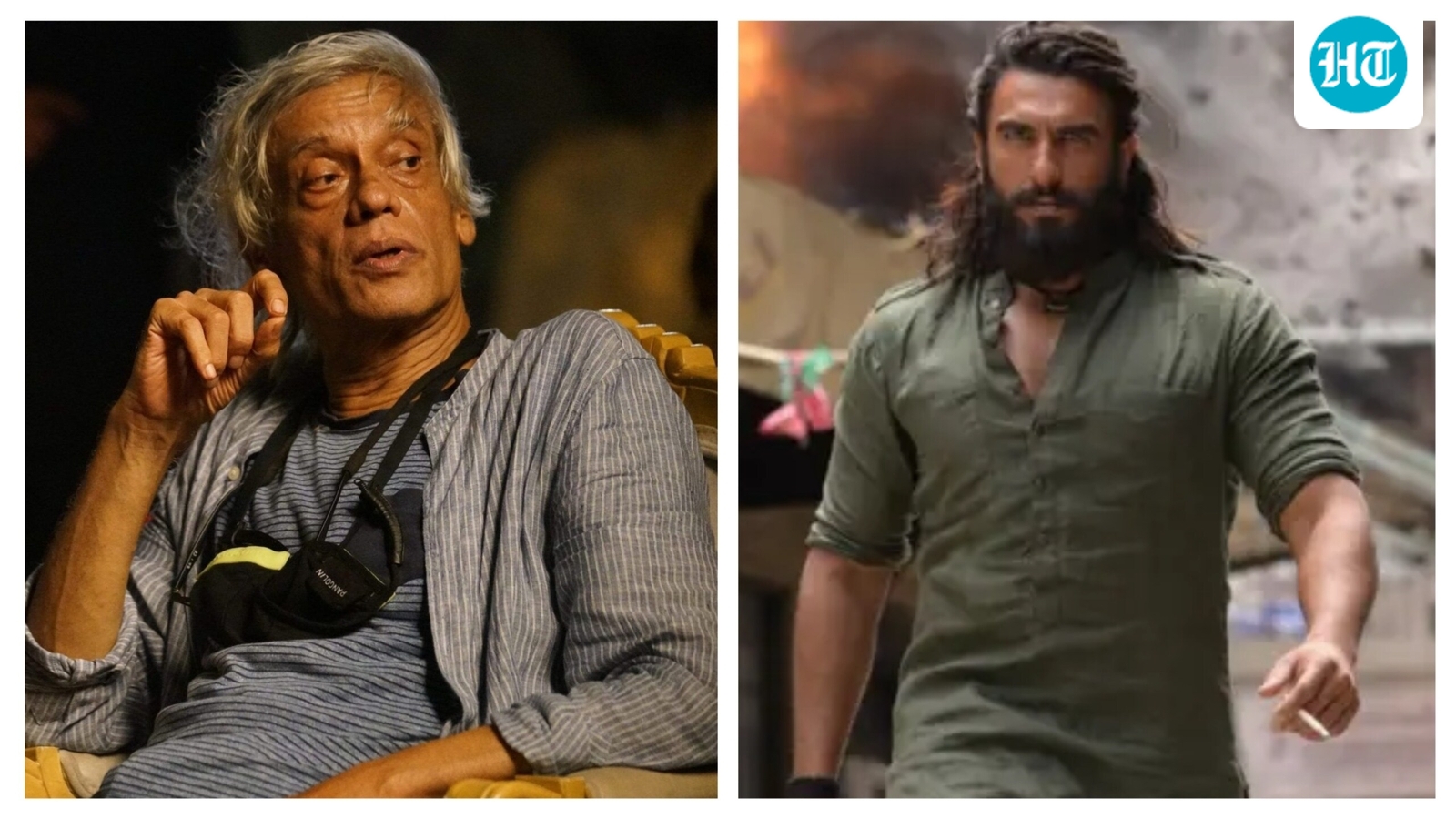
Acclaimed filmmaker Sudhir Mishra has voiced strong support for Aditya Dhar’s spy thriller “Dhurandhar,” starring Ranveer Singh and Akshaye Khanna, despite acknowledging that his own cinematic sensibilities differ significantly from Dhar’s approach.
In a thoughtful post on X (formerly Twitter), Mishra praised the film’s execution and casting choices, positioning himself as an unexpected defender of a movie that has drawn both commercial success and critical debate about its political undertones.
The conversation began when a social media user questioned whether any Indian filmmaker would tackle sensitive social issues like the Unnao rape case. Mishra responded by asserting the diversity within Indian cinema, challenging the notion that all filmmakers should be grouped under the “Bollywood” label.
“One of us has the guts. There is a film. You’ll see it soon,” Mishra wrote, hinting at upcoming projects addressing difficult subjects. “Also please stop lumping us all under one brand, called Bollywood. We belong to the Indian Film Industry and we are all different. By the way Dhurandhar is a well-made film. Aditya Dhar is extremely skilled.”
Mishra, known for socially conscious films like “Hazaaron Khwaishein Aisi” and “Serious Men,” elaborated on the technical achievements of “Dhurandhar,” specifically highlighting Dhar’s ability to create an immersive sensory experience for viewers.
“The most difficult thing in filmmaking is a director’s ability to make us, the audience, smell the place, and Aditya Dhar with the help of his brilliant Cinematographer and Production Designer manage to do just that,” Mishra observed. “The casting, including the minor parts, is bang on. I am of course, a filmmaker, from another school.”
When another user criticized “Dhurandhar” as “propaganda” designed to “monetize on pop nationalism and sectarian mindset,” Mishra offered a measured response that acknowledged creative differences without dismissing either perspective: “Make a powerful film, with all the virtues of a great cinema experience which counters it.”
This exchange highlights the ongoing tension in Indian cinema between commercial success and political messaging. Mishra’s defense of “Dhurandhar” is particularly notable given his own reputation for making films that often challenge mainstream political narratives.
“Dhurandhar,” directed by Aditya Dhar (previously known for the National Award-winning “URI: The Surgical Strike”), has become one of the highest-grossing Indian films of all time. The spy action thriller, which serves as the first installment of a planned two-part series, follows an Indian spy infiltrating Karachi’s criminal and political underworld in Pakistan.
The film’s narrative weaves together several real-life geopolitical tensions between India and Pakistan, including the 1999 IC-814 hijacking, the 2001 Indian Parliament attack, the 2008 Mumbai attacks, and events surrounding Operation Lyari. This historical context has fueled both its commercial appeal and the criticism regarding its political perspective.
The box office performance of “Dhurandhar” has been extraordinary, grossing over ₹700 crore in India and surpassing the ₹1,117 crore mark worldwide. These figures confirm the film’s massive commercial success regardless of the debates surrounding its content.
A sequel is already scheduled for release on March 19, 2026, where it will face competition from Yash’s highly anticipated “Toxic.”
Mishra’s comments reflect the complex relationship between commercial cinema and sociopolitical messaging in contemporary Indian filmmaking, where box office success and artistic integrity often exist in tension with one another.
Fact Checker
Verify the accuracy of this article using The Disinformation Commission analysis and real-time sources.

12 Comments
The debate around ‘Dhurandhar’ highlights the need for open and respectful dialogue around cinema, rather than quick dismissals based on political leanings. Mishra’s defense of artistic expression is commendable.
I agree. Thoughtful criticism and analysis is valuable, but it should come from a place of understanding, not just ideology. Mishra’s perspective adds nuance to the conversation.
Mishra’s defense of ‘Dhurandhar’ suggests he sees value in the film, even if it doesn’t align with his own cinematic sensibilities. That kind of open-mindedness is admirable and can foster productive dialogue.
Agreed. It’s a sign of maturity and intellectual honesty when a filmmaker can appreciate the merits of a work that differs from their own style or approach. Mishra’s response sets a good example.
I’m curious to see what other sensitive social issues the Indian film industry might tackle in upcoming projects, as Mishra hinted. Thoughtful, nuanced storytelling can be a powerful tool for social change.
Absolutely. Films have the ability to shine a light on important topics and spark meaningful discussions. I look forward to seeing what the industry produces.
Kudos to Mishra for standing up for artistic expression, even when it deviates from his own sensibilities. Healthy debate around films is important, as long as it’s done respectfully.
Well said. It’s refreshing to see a filmmaker defend another’s work, rather than just criticize it, even if their styles differ.
Interesting to see Sudhir Mishra, a respected filmmaker, defend ‘Dhurandhar’ against propaganda claims. It’s good to see diversity of perspectives within the Indian film industry, rather than grouping everyone under ‘Bollywood’.
I agree, the diversity of Indian cinema is important to recognize. Filmmakers should have the freedom to explore different subjects and approaches without being pigeonholed.
It’s refreshing to see a veteran filmmaker like Mishra acknowledge the diversity within the Indian film industry. Pigeonholing all filmmakers under the ‘Bollywood’ label oversimplifies the rich tapestry of Indian cinema.
Absolutely. The Indian film industry is vast and complex, with a wide range of styles, perspectives, and approaches. Recognizing that diversity is important for a nuanced understanding of its work.