


Listen to the article
Filmmaker Defends ‘Dhurandhar’ Against Propaganda Claims at Mumbai Media Event
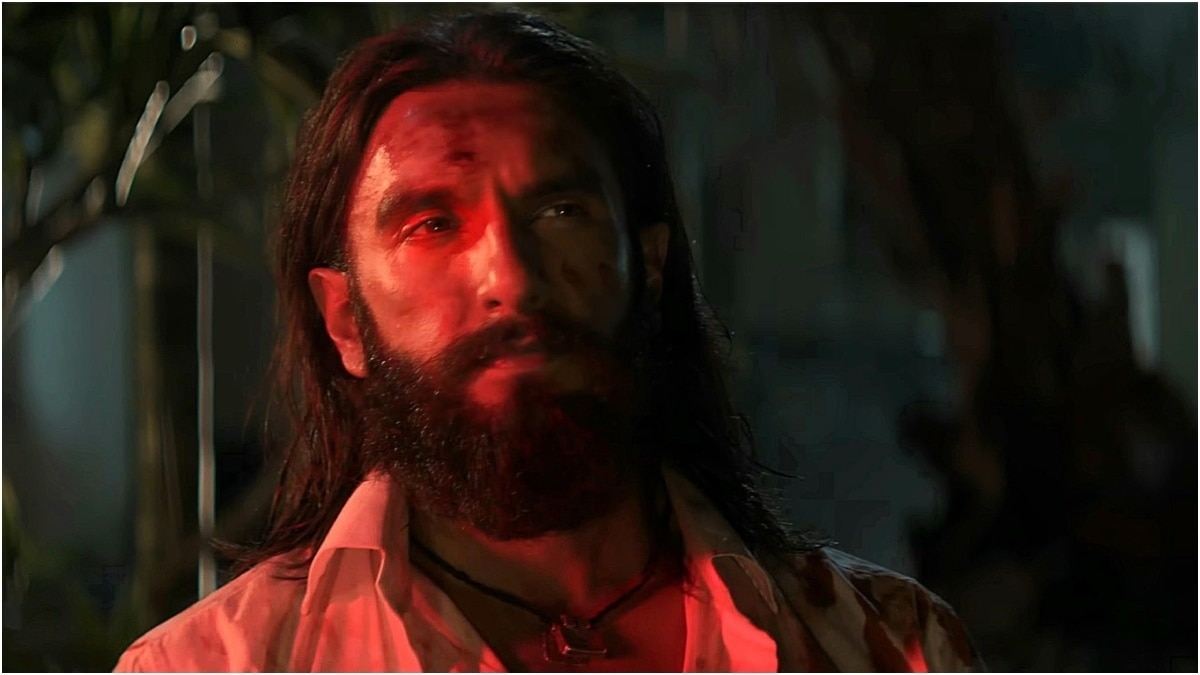
Veteran filmmaker Rumi Jaffery has strongly refuted allegations that the recent film “Dhurandhar” serves as political propaganda, emphasizing instead its compelling storytelling and audience engagement. Speaking at AajTak’s Mumbai Manthan event, Jaffery defended the film’s artistic merits.
“Dhurandhar is not a propaganda film. I have watched it twice. It is a 3-hour film, and people typically walk out by then. But Dhurandhar keeps people engaged,” Jaffery stated during a panel discussion focused on Mumbai’s entertainment industry and civic challenges.
The filmmaker’s comments come amid growing scrutiny of politically charged content in Indian cinema, with several recent productions facing similar accusations of agenda-driven storytelling. “Dhurandhar” has generated substantial box office returns while simultaneously triggering debate about the line between entertainment and political messaging.
The session, titled “Mumbai Ke Dil Me Kya Hai?” (What’s in Mumbai’s Heart?), featured a distinguished panel of entertainment industry figures including television personalities Rashmi Desai and Shama Sikander, alongside Indian Television Academy co-founder Shashi Ranjan.
Desai highlighted the evolving landscape of audience preferences, noting a shift toward more authentic content. “People want to see real content. People like films like Animal and Dhurandhar. Change is part of life, and we must accept it,” she observed, referencing two recent productions that have pushed traditional boundaries in Indian cinema.
The discussion extended beyond specific films to address industry dynamics, with panelists offering candid insights into the entertainment sector’s political undercurrents. Desai acknowledged the pervasiveness of politics across industries while emphasizing the importance of experience and adaptability.
“Politics happens everywhere,” she remarked. “Experience is very important. How much one can learn and apply in one’s life matters a lot.” Desai also addressed the mounting pressures created by social media’s influence, adding, “Everyone in the industry has a fear of missing out. Because of social media, they cross every boundary.”
Sikander offered an even more pointed assessment of industry politics, stating, “There is no bigger politics than Bollywood. There is no point taking names.” She also highlighted how digital streaming platforms have created new opportunities for actors beyond traditional channels, noting that while connections remain valuable across all entertainment sectors, “OTT has helped actors get more work.”
Beyond entertainment industry concerns, the panel addressed pressing issues facing Mumbai residents. Shashi Ranjan delivered a stark critique of environmental management in the city, focusing on a longstanding problem. “There is no bigger scam in Mumbai than the Mithi River,” he asserted. “Funds are invested year after year to clean it, but nothing happens.” The Mithi River, which runs through Mumbai, has been the target of numerous unsuccessful cleanup efforts despite substantial financial investments.
Jaffery broadened the discussion to civic responsibility, calling for greater citizen participation in urban improvement initiatives. He urged municipal authorities to enhance public education regarding basic etiquette, specifically mentioning proper parking practices and pedestrian behavior as areas requiring attention.
The Mumbai Manthan event represents part of an ongoing series of public discussions addressing the intersection of entertainment, politics, and civic issues in India’s financial and entertainment capital. As films like “Dhurandhar” continue to spark debate about the relationship between art and political messaging, industry voices like Jaffery’s provide valuable perspective on the creative intentions behind controversial content.
Fact Checker
Verify the accuracy of this article using The Disinformation Commission analysis and real-time sources.

13 Comments
The debate around ‘Dhurandhar’ highlights the broader challenges facing the entertainment industry when it comes to balancing artistic freedom with social responsibility. It’s a nuanced issue without easy answers.
It’s encouraging to see veteran filmmakers like Jaffery defending the artistic merit of their work, even in the face of political allegations. Creative expression should be protected, but balanced with responsible storytelling.
While the allegations of propaganda are concerning, it’s important to give filmmakers like Jaffery a fair hearing. The public should engage with the film and the arguments on both sides before drawing conclusions.
Maintaining a critical but open-minded approach to politically charged content is crucial. Knee-jerk reactions often obscure the complexities involved.
It’s interesting to see the debate around whether ‘Dhurandhar’ is propaganda or compelling storytelling. I’ll have to watch the film and form my own opinion on the nuances of the messaging.
I agree, the line between entertainment and political messaging can be blurry. It’s important for audiences to think critically about the content they consume.
The discussion around ‘Dhurandhar’ underscores the need for nuanced, balanced dialogue on the intersection of art, politics, and audience engagement. I look forward to seeing how this debate evolves.
The panel discussion featuring entertainment industry figures provides an interesting platform to explore the complexities around propaganda and political messaging in Indian cinema. I’m curious to hear more diverse perspectives on this topic.
Fostering open and thoughtful dialogue is key to navigating these sensitive issues. Audiences deserve transparency and the opportunity to form their own opinions.
The box office success of ‘Dhurandhar’ despite the controversy suggests there is significant audience demand for the film. I wonder how this will impact the ongoing debate about political messaging in Indian cinema.
Audiences should always be encouraged to think critically about the media they consume, whether it’s labeled as propaganda or not. Nuanced discussions like this can help foster that.
Defending a film’s artistic merits while facing accusations of propaganda is a delicate balance. I’m curious to learn more about the specific allegations against ‘Dhurandhar’ and Jaffery’s counterarguments.
It’s good to see the filmmaker engaging directly with the criticism. Transparency and open dialogue can help provide clarity on these complex issues.