


Listen to the article
Medical professionals allegedly linked to Delhi terror attacks, alongside tech workers and educators, have been arrested for suspected connections to Al Qaeda and other banned terrorist organizations. The case has revived concerns about what drives highly educated individuals to embrace violent extremism.
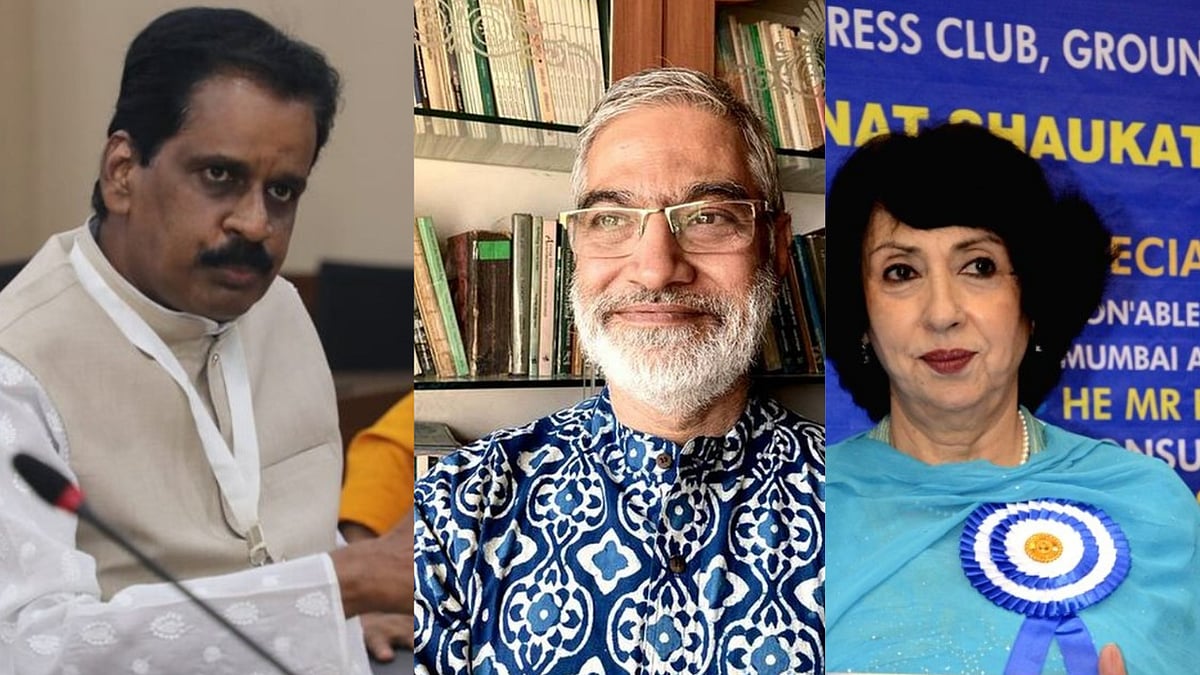
According to experts, radicalization stems from a complex interplay of political, social, economic, and ideological factors. Irfan Engineer from the Centre for the Study of Society and Secularism identifies two primary catalysts: cultivated feelings of victimhood and sustained exposure to extremist propaganda.
“Somebody is reinforcing this ISIS-Jihadi ideology. In that sense, the perpetrators of this violence are victims of propaganda,” Engineer explained. “This is not the first time educated people have taken up violence. Somebody is creating this sense of victimhood. The perpetrators feel that they need to do something.”
Engineer noted that the pattern follows a recognizable trajectory where emotional politics and manufactured grievances deepen feelings of marginalization. However, he emphasized that understanding these factors does not justify acts of violence or terrorism.
The case is particularly disturbing as it involves medical professionals, who take oaths to preserve life. “A doctor is trained to save lives, even that of an enemy. I find it abominable that doctors can internalize this violence,” Engineer said.
Mansoor Khan, president of the Sufi Islamic Board, traces violent interpretations of Islam to political movements that emerged after Prophet Muhammad’s death. Khan argues that political forces have distorted religious teachings and overshadowed Islam’s peaceful foundations.
“Prophet Muhammad had a Christian slave who served the family for generations after the prophet’s passing and remained a Christian until his death. If forced conversion were common in the prophet’s time, would the slave have remained a Christian?” Khan asked, challenging narratives used by extremist groups.
Khan pointed to misconceptions propagated in some religious settings, where followers are promised divine rewards for violence committed in the name of religion. “Even the educated believe they will go to heaven and meet the hoors if they die for the religion. The reason is the indoctrination in mosques where they listen to an illiterate man giving sermons,” he said.
In India specifically, Khan observed this ideology manifests through adherence to the concept of “Ghazwa-e-Hind,” a prophecy interpreted by some extremist groups as a divine mandate to conquer the Indian subcontinent.
Zeenat Shaukat Ali, author and former professor, emphasized the responsibility of religious leaders to counter extremist narratives. “Imams have such a lot of influence. Religious sermons are fine, but they also have a responsibility to talk about peace and harmony,” she said, advocating for educational curriculums that promote peaceful coexistence.
The involvement of professionals from fields like medicine, software engineering, and education raises questions about India’s educational system. Engineer suggests that the current framework prioritizes technical knowledge while neglecting moral development. “It is all about professional knowledge. When there is moral education in schools, it is taught from the perspective of a particular religion,” he explained.
Ali stressed that terrorist actions ultimately harm Muslim communities the most. “Issues have never been solved by violence. Everybody comes under suspicion,” she said, describing the attacks as “deplorable and un-Islamic.”
Security analysts note that the recruitment of educated professionals represents a tactical shift by terror organizations, who increasingly target individuals with technical skills and social credibility to advance their operations.
As investigations continue, experts emphasize the need for robust judicial systems to address the root causes of radicalization. “We need a thorough judicial framework. Nothing justifies violence,” Engineer said.
Ali concluded with a call for decisive action against those responsible: “The investigation agencies are working on the cases. Conjecture is one thing, but results are important. Pinning down the guilty and showing them no mercy is imperative.”
Fact Checker
Verify the accuracy of this article using The Disinformation Commission analysis and real-time sources.

22 Comments
This is a troubling pattern, but the factors driving radicalization are complex. Addressing propaganda, feelings of victimhood, and marginalization will be crucial to preventing further violence.
Agreed. Tackling the root causes through education, inclusive policies, and countering extremist narratives will be key.
The role of propaganda and feelings of victimhood in fueling radicalization is deeply concerning. Developing effective counter-narratives and inclusive policies should be a priority.
Well said. Tackling the complex web of factors driving this trend will require a multifaceted, evidence-based strategy.
The radicalization of educated individuals is a concerning trend that demands a multifaceted response. Addressing the complex web of factors at play will be essential.
Agreed. Tailored interventions and a comprehensive strategy targeting the drivers of this phenomenon are needed.
The case highlights the need for a deeper understanding of the drivers behind radicalization, especially among the educated. Developing effective deradicalization programs should be a priority.
Absolutely. A multifaceted strategy addressing the ideological, social, and economic factors is essential to stemming the tide of violence.
Seeing educated individuals embrace terrorism is a troubling trend that demands a comprehensive response. Addressing the underlying causes of radicalization should be a top concern.
Agreed. Targeted interventions and a collaborative approach across sectors will be crucial in countering this phenomenon.
It’s alarming to see educated individuals turning to terrorism. This underscores the power of propaganda and the need for comprehensive deradicalization efforts.
Absolutely. Addressing the social, economic, and ideological factors fueling this trend will require a multi-pronged approach.
The pattern of educated individuals embracing violence is deeply concerning. Addressing the complex web of factors behind radicalization is a pressing challenge.
Agreed. Targeted interventions and a comprehensive strategy will be needed to effectively counter this trend.
This case highlights the need for robust deradicalization programs and a better understanding of the drivers behind educated individuals turning to terrorism.
Absolutely. Tackling the ideological, social, and economic factors fueling radicalization should be a top priority.
Feelings of victimhood and exposure to extremist messaging are dangerous catalysts. Tackling the root causes is crucial to stemming the tide of radicalization.
Well said. Countering propaganda and promoting inclusive, fact-based narratives will be critical in this effort.
This case highlights the importance of understanding the nuanced drivers behind radicalization, especially among the educated. Addressing the ideological, social, and economic factors will be crucial.
Absolutely. A holistic approach that tackles the root causes is essential to stemming the tide of violence.
Cultivated feelings of victimhood and extremist propaganda are a dangerous mix. Addressing these root causes is crucial to preventing further violence.
Well said. Promoting inclusive narratives and countering misinformation will be key to this effort.