


Listen to the article
Israeli Lawmaker Pushes to Ban Haaretz Content from High School Exams
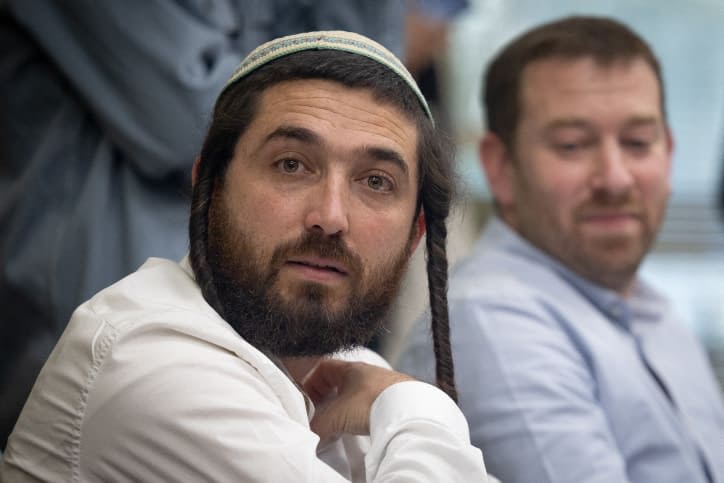
Newly appointed Knesset Education Committee chairperson MK Zvi Sukkot announced Sunday that he will push for the removal of Haaretz newspaper content from Israel’s high school matriculation exams, triggering immediate backlash from opposition lawmakers who view the move as political censorship.
Sukkot, a member of the far-right Religious Zionist Party, plans to convene an “urgent discussion” with senior Education Ministry officials to demand the elimination of opinion pieces and articles from Haaretz that have been included in bagrut exams in recent years.
“Haaretz has become a mouthpiece for anti-Zionist propaganda, and in some cases even includes content that encourages the delegitimization of IDF soldiers and the State of Israel,” Sukkot stated. “This is an illegitimate body that has no place in the education system of the State of Israel. We will remove this content from the exams because the children of Israel should not be tested on texts that undermine our right to this land.”
The controversial proposal follows an appeal from youth members of the Religious Zionist Party, who claimed the Education Ministry is “forcing” students to consume Haaretz content. “It is unacceptable that a student in the State of Israel should be required to analyze and be tested on texts from a media outlet that gives a platform to the delegitimization of the IDF and supports the narratives of our enemies,” the youth members said.
Sukkot assumed leadership of the Education Committee just last month, filling a position that had remained vacant after ultra-Orthodox Shas Party MKs resigned from their coalition roles. His swift move to target curriculum content has raised concerns about potential ideological interference in education.
Opposition lawmaker MK Naama Lazimi of The Democrats party immediately condemned Sukkot’s proposal, framing it as an attack on press freedom. “It is not surprising that at the very start of his term, the right-wing MK would focus on silencing media outlets on the basis of their political positions,” Lazimi said.
She challenged the broader Israeli media to respond to what she characterized as an assault on journalistic independence. “This is also a test for the entire Israeli media: how long it will tolerate this attack against it, and when it will finally draw a line against this madness?” Lazimi questioned, adding that she plans to initiate a committee discussion on what she describes as censorship in the education system.
The conflict highlights growing tensions over educational content in Israel, particularly material addressing political perspectives and criticism of government policies. Haaretz, established in 1919, is known for its liberal editorial stance and willingness to publish perspectives critical of Israeli government actions, particularly regarding Palestinian issues and military operations.
Education experts note that exposure to diverse media perspectives is commonly included in curriculum worldwide to develop critical thinking skills. The move to exclude specific publications based on perceived political alignment raises questions about the future of academic freedom in Israeli schools.
The dispute occurs against the backdrop of Israel’s ongoing war in Gaza and heightened political polarization, with educational institutions increasingly becoming battlegrounds for competing national narratives. Critics of Sukkot’s proposal argue it represents a concerning trend of political interference in education, while supporters maintain that classroom materials should reflect and reinforce national values.
The Education Ministry has not yet publicly responded to Sukkot’s statements. The outcome of this controversy could set a precedent for how educational content is determined in Israeli schools moving forward.
Fact Checker
Verify the accuracy of this article using The Disinformation Commission analysis and real-time sources.

5 Comments
Interesting move by the Education Ministry. While I understand the desire to shape curriculum, censoring media outlets like Haaretz raises concerns about academic freedom and critical thinking. These topics deserve balanced discussion, not political censorship.
I agree, this has the potential to backfire if not handled carefully. Students should be exposed to a range of viewpoints, even if they challenge the status quo.
While I understand the desire to shape curriculum, censoring media outlets like Haaretz is concerning. Students should be exposed to a range of viewpoints to develop critical thinking skills, even if some challenge the status quo.
Removing Haaretz content from exams could stifle important discourse around sensitive national issues. Education should empower students to think critically, not limit their exposure to diverse perspectives.
Agreed, this seems like a worrying precedent that could undermine the integrity of the education system. Caution is warranted to ensure academic standards are maintained.